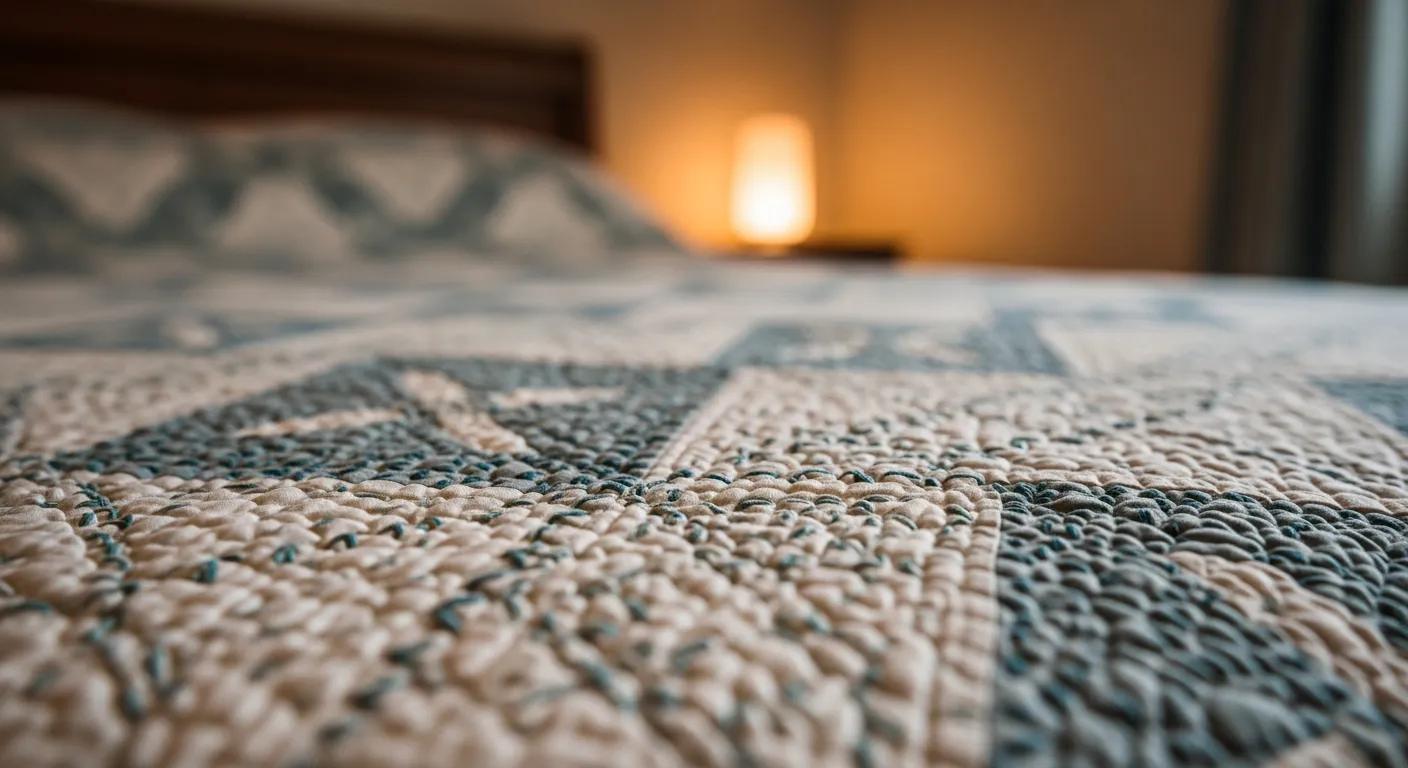
When we talk about a quilt’s durability, we mean how well the shell, fill, and construction stand up to everyday use, washing and storage while keeping loft, shape and comfort. This guide breaks down how a cotton quilt comes down to fibre quality, construction techniques and simple care — and why those things add up to real savings and less waste at home. You’ll learn which material qualities and stitch patterns matter most, how cotton performs against linen, wool, down and synthetics in Australian conditions, how it compares to bamboo from a practical perspective, and the practical features to prioritise when buying long-lasting bedding in Australia.
What Factors Determine the Durability of Cotton Quilts?
Three things set a cotton quilt’s durability: the inherent quality of the cotton fibres, the construction method, and the care it receives over time. Fibre traits like staple length and tensile strength create the baseline for tear resistance and pilling, while construction choices — baffle boxes, stitch density and reinforced edges — determine how the fill moves and how seams age. Care (wash temperature, detergent and storage) controls mechanical and chemical wear that builds up over the years. Knowing these drivers helps you focus on the features that actually extend a quilt’s life in real use.
Next, we look closer at which material attributes most affect longevity, because fibre-level properties dictate how a quilt reacts to stress and laundering.
Which Material Qualities Influence Cotton Quilt Longevity?
The material qualities that matter most are staple length, yarn twist, fabric weight and finishing. Long-staple cotton makes stronger yarns with fewer weak points, improving tensile strength and abrasion resistance across many washes. Heavier fabric weight (gsm) and a tighter weave slow surface wear, while heavy chemical finishes can make fibres brittle and reduce long-term strength. Choosing organic or responsibly processed cotton can also indicate gentler processing that helps preserve fibre integrity from factory to bedroom.
Those fibre-level choices lead straight into how the quilt’s mechanical design — stitch pattern and internal baffles — affects overall durability.
How Does Quilt Construction Affect Durability?

Construction determines how well the fill stays in place and how seams handle stress — both key to long-term performance. Box or baffle constructions limit fill shifting and local compression, preventing thin spots and helping loft last; simple stitch patterns can allow migration and early clumping. Stitch density and type reinforce the surface and reduce abrasion, while reinforced bindings and piping protect seam junctions from fraying. Details like double-stitched seams and secure corner ties stop small failures from becoming reasons to replace the quilt.
With construction differences clear, the next section compares how cotton performs versus other common bedding materials over time.
How Do Cotton Quilts Compare to Other Bedding Materials in Longevity?
Cotton quilts offer a strong mix of breathability and reliable tensile strength, which helps them often outlast basic synthetic options while behaving differently to linen, wool and down. Cotton resists some pilling and stays comfortable across seasons, though linen can start stronger and soften without losing integrity. Wool and down keep loft well but rely on a durable casing to avoid shell wear; synthetics vary and may suffer micro-abrasion or heat damage. Ultimately, lifespan depends on shell + fill pairings and whether care routines match the material’s needs.
The table below summarises those trade-offs so you can scan the main differences quickly.
| Material | Durability | Breathability | Typical Lifespan (with good care) | Care Difficulty |
|---|---|---|---|---|
| Cotton (natural fibres) | Moderate–high — long‑staple improves strength | High | 5–15 years | Low–moderate |
| Bamboo viscose | High tensile properties; resists some wear | Very high | 5–15 years | Low |
| Linen | High initial tensile strength; softens with age | High | 10–20 years | Moderate |
| Wool/Down (natural fill) | Fill retains loft; depends on casing wear | Moderate | 8–20 years | High (special care) |
| Synthetic polyester | Variable; cheaper options wear faster | Low–moderate | 3–10 years | Low (but may pill) |
This shows cotton balances breathability and durability well, while linen and bamboo can rival or exceed its lifespan depending on construction and care. Below, we start with a direct comparison to synthetics.
Why Do Cotton Quilts Outlast Synthetic Quilts?
Cotton can outlast many synthetics because its natural fibres handle mechanical stress and heat differently than polyester blends. Cotton tends to keep its structure rather than form heavy pilling, and its breathability reduces heat‑related weakening and trapped moisture that speeds breakdown. Synthetics are more prone to micro‑abrasion and heat damage from high‑heat drying or improper washing. Plus, care routines for cotton (gentle cycles, air‑drying) are easy to follow, helping avoid the misuse that shortens synthetic quilt life.
These distinctions explain why care advice differs between natural and synthetic bedding and point to the actions that extend cotton’s usable life.
What Are the Durability Differences Between Cotton and Linen Quilts?
Linen and cotton age differently: linen often starts with higher tensile strength and becomes softer over time while keeping its integrity, whereas cotton offers a softer initial hand and simpler care. With solid construction, linen can resist tearing and abrasion better than lower‑grade cotton, but its coarser initial feel and care needs may be a trade‑off. Long‑staple, higher-GSM cotton combined with robust construction can match linen’s durability, so the choice comes down to whether you prioritise immediate comfort or long‑term tensile performance.
Next, we focus on the local advantages of durable cotton quilts for Australian homes.
What Are the Benefits of Long-Lasting Cotton Quilts in Australia?
Durable cotton quilts bring environmental and financial benefits by cutting replacement frequency, reducing resource use and keeping textiles out of landfill. Cotton’s breathability suits much of Australia’s varied climate — cool in summer when layered right and warm for colder nights — and a longer lifespan means fewer purchases and lower lifetime impacts. Choosing organic or responsibly sourced cotton further reduces harmful processing chemicals and supports gentler manufacturing. Durable cotton also suits common Australian care habits like air‑drying and gentle laundering, which helps keep quilts lasting longer.
Here are the practical benefits households can expect.
- Cost Savings: Fewer replacements lower lifetime bedding expenditure.
- Reduced Waste: Less frequent disposal keeps textiles out of the landfill.
- Climate Fit: Breathable cotton works well in humid and hot regions when layered.
- Accessible Care: Typical washing and drying practices are compatible with cotton care.
These points show why durability matters beyond comfort — it ties directly to sustainability and household budgets. Next, we explain how a durable quilt supports eco‑friendly choices compared with alternatives like bamboo.
How Does Cotton Quilt Durability Support Eco-Friendly Bedding Choices?
Durability reduces consumption and total lifecycle impacts, so a long‑lasting cotton quilt is a sensible eco choice when production and sourcing are responsible. Organic or transparently processed cotton lowers chemical and water impacts, and a longer usable life spreads embodied impacts over more years. In neutral lifecycle comparisons, natural fibres that last tend to outperform short‑lived synthetics in total environmental cost, though full analyses also consider cultivation, processing and end‑of‑life. Prioritising durability alongside clear sourcing is the most balanced route for sustainability‑minded buyers.
That leads to why longevity matters across Australia’s different climates and storage conditions.
Why Is Cotton Quilt Longevity Important for the Australian Climate and Consumers?
Australia ranges from humid coastlines to arid interiors, so a quilt that tolerates frequent laundering, fluctuating humidity and warm storage conditions is more resilient in daily life. Breathable cotton reduces night sweats and helps regulate temperature in hot areas, while layered use and a durable casing keep quilts working through cooler seasons. Humidity‑aware storage (breathable bags, cool dry spots) prevents mould and fibre decay, and fewer replacements matter for consumers focused on both value and sustainability. Durable construction and the right materials therefore match Australian comfort and economic priorities.
With those local factors in mind, here are hands‑on maintenance steps to extend your cotton quilt’s life.
How Can You Maximise the Lifespan of Your Cotton Quilt?
Maximising lifespan comes down to consistent, material‑appropriate care: gentle washing, careful drying, smart storage and timely repairs. Lower wash temperatures and mild detergents reduce fibre stress; spreading out washes and using protective covers cuts abrasion and soil build‑up. Air‑drying or low‑heat tumble with dryer balls preserves fill loft and shell strength, and storing quilts in breathable containers during the off‑season prevents mould and fibre breakdown. Knowing the measurable benefits of these actions helps you prioritise care.
Below is a practical maintenance table linking actions to expected benefits and typical lifespan improvements so you can focus on the highest‑impact steps.
| Maintenance Action | Expected Benefit | Typical Impact on Lifespan |
|---|---|---|
| Gentle wash cycle, ≤30°C | Reduces fibre breakage and dye loss | +12–36 months |
| Mild, pH-neutral detergent | Preserves fibre strength and natural oils | +6–24 months |
| Air-dry or low-heat tumble | Prevents heat damage and fills clumping | +6–24 months |
| Store in a breathable cotton bag, a cool, dry spot | Prevents mould and mildew | Prevents sudden lifespan loss |
These simple adjustments can add measurable years to a cotton quilt’s usable life. The checklist below summarises core care steps in order.
- Wash infrequently on a gentle cycle to limit mechanical wear and abrasion.
- Use a mild, pH‑neutral detergent to avoid weakening fibres with harsh chemicals.
- Air‑dry when possible or use low heat to preserve both shell and fill integrity.
- Store in breathable containers in cool, dry conditions to prevent mould and odour.
- Repair small tears and reinforce seams promptly to stop minor damage from becoming permanent.
Following these steps helps prevent mechanical and chemical degradation of cotton quilts. The section below explains why each action protects fibres and structure.
What Are Essential Care Tips for Durable Cotton Quilts?
Key care tips focus on minimising mechanical and thermal stress and preventing biological damage. Wash on a gentle cycle at or below 30°C with a mild, neutral detergent to reduce fibre breakage and dye loss, and consider a protective wash bag for delicate quilts to limit agitation. Air‑dry flat or tumble on low to keep the fill's loft and avoid heat‑induced weakening, and avoid bleach and optical brighteners, which can embrittle fibres. Taken together, these steps slow the processes that lead to fibre fracture and seam failure so your quilt stays useful longer.
Explaining the mechanics behind these tips shows how simple care choices protect cotton in everyday use and clarifies the measurable benefits each action can provide.
How Does Proper Maintenance Extend Cotton Quilt Longevity?
Proper maintenance lengthens a quilt’s life by cutting cumulative wear, preventing fill migration and enabling early repair. Gentle washing reduces micro‑tears that can grow into larger rips; keeping fill evenly distributed prevents local compression and thin spots. Prompt seam reinforcement and patching stop stress concentrations from spreading, and correct storage avoids moisture‑driven fibre and mould damage. Together, these practices turn routine care into real lifespan gains.
With those principles in mind, readers can better evaluate alternative materials that claim greater durability — starting with bamboo bedding.
How Does Bamboo Bedding Compare to Cotton Quilts in Durability?
Bamboo bedding often claims superior tensile strength and laundering resilience compared with average cotton, and that can translate to a longer usable life when processing preserves structural integrity. Bamboo viscose or rayon can produce smooth, strong yarns with reduced pilling and very good breathability; natural anti‑bacterial and hypoallergenic properties can help reduce odour and microbial wear. Care is similar to cotton but can benefit from bamboo’s moisture‑wicking and Coolweave™ structures that reduce sweat‑related fibre stress. Always weigh our commitment to quality alongside construction details when choosing.
The table below highlights key fibre‑level comparisons between cotton and bamboo and notes to consider.
| Fibre Type | Durability Attribute | Evidence / Notes |
|---|---|---|
| Cotton | Staple length and weave determine tensile strength | Long‑staple cotton improves resistance to tearing |
| Bamboo viscose | High tensile properties, smooth yarns reduce pilling | Processing method influences real‑world resilience |
| Care sensitivity | Heat and harsh chemicals weaken both fibres | Proper low‑heat laundering benefits both materials |
This shows bamboo can offer excellent tensile properties, but real durability depends on processing and construction quality. The short bridge below links these fibre traits to product claims you’ll see on the market.
Adore Earth, an Australian‑designed brand focused on organic bamboo bedding, positions bamboo as a material with strong fibres and long‑lasting qualities compared with average cotton and silk. They highlight features that support longevity — temperature‑regulating Coolweave™ construction and natural anti‑bacterial properties — plus claims around softness, skin and hair friendliness, pet‑hair resistance and biodegradability. Customer perks like convenient shipping options across Australia and our dedication to customer satisfaction make trying the product a low-risk choice. Balance these claims with construction and care details when comparing cotton and bamboo quilts.
Those product features show how bamboo’s material strengths can translate into day‑to‑day value. Next, we explain why bamboo is often seen as stronger at a fibre level.
Why Are Bamboo Quilts Considered More Durable Than Cotton?
Bamboo quilts are often thought to be more durable because bamboo viscose fibres can form long, smooth yarns with high tensile strength and low pilling when processed carefully. Bamboo’s moisture‑wicking and anti‑bacterial traits can reduce odour and microbial degradation, helping products feel fresher for longer. Processing methods — mechanical versus chemical — have a big impact on final tensile properties, so construction and finishes are decisive. In practice, well‑made bamboo quilts with robust stitching and strong casings can match or exceed cotton quilt longevity when cared for the same way.
That leads to a short, brand‑informed summary of the Adore Earth benefits for bamboo quilts.
What Advantages Do Adore Earth Bamboo Quilts Offer Over Cotton Quilts?
Adore Earth emphasises organic bamboo viscose for exceptional softness, Coolweave™ structures for temperature regulation, plus hypoallergenic and anti‑bacterial properties that reduce odour and surface wear. They also call out pet‑hair resistance as a practical benefit for animal households, which can help keep quilts cleaner and reduce abrasive cleaning cycles. Convenient shipping options across Australia and our dedication to customer satisfaction back your purchase decision and lower upfront risk. Always weigh these consumer benefits against stitch quality, casing weight and care instructions to judge long‑term value.
Understanding bamboo’s strengths alongside cotton’s proven durability helps consumers consider other long‑lasting bedding options available locally.
Which Durable Bedding Options Should Australian Consumers Consider Beyond Cotton?
Beyond cotton, durable bedding options include linen, wool/down and high‑quality bamboo — each has trade‑offs in care, longevity and sustainability. Linen gives strong fibres and ages beautifully; wool and down keep loft but need specialist care; bamboo offers breathability and tensile benefits when processed for durability. Advanced synthetics also exist with engineered longevity, though environmental trade‑offs and pilling vary widely. Choose based on shell + fill pairing, how you plan to care for the product, and your local climate.
Here’s a quick summary to help compare the main alternatives.
- Linen: Strong, ages gracefully; may need ironing and moderate care.
- Wool/Down: Excellent loft retention; requires specialist cleaning and protective casing.
- Bamboo viscose: High breathability and tensile potential; look for transparent processing and solid construction.
- Advanced synthetics: Can be very durable, but environmental impacts and pilling vary.
These options show the choice depends on priorities — immediate comfort, willingness to maintain, and sustainability goals — and lead to a note on wool and down.
How Do Wool and Down Quilts Compare in Durability to Cotton?
Wool and down fills can keep loft and insulating performance for many years and may outlast lower‑quality cotton in terms of fill resilience. Their lifespan, however, depends on the casing fabric and care: natural fills resist permanent compression better than some synthetics but need careful cleaning and sometimes professional servicing to avoid clumping. A sturdy shell — for example, a heavier cotton casing with strong stitching — often determines practical longevity. Expect higher maintenance but potentially long service life when wool or down is well-made and properly cared for.
That brings us to how sustainability and lifecycle thinking intersect with durable bedding choices.
What Role Do Sustainable Bedding Choices Play in Long-Lasting Quilt Selection?
Sustainability matters because durability reduces consumption, waste and the per‑year embodied impact of textiles. A long‑lasting quilt made from responsibly processed fibres offers a stronger sustainability case than a short‑lived “eco” product with poor durability. Look for transparent sourcing, lower‑impact processing and biodegradability at end‑of‑life — plus repairability and clear care instructions that help the product last. Combining durability, responsible sourcing, and proper maintenance delivers the biggest sustainability wins over a quilt’s lifecycle.
As a final note, consumers who prioritise durability and sustainability may prefer Australian‑designed brands that focus on organic bamboo bedding and a clear commitment to quality, balancing longevity with environmental considerations.
Frequently Asked Questions
1. How often should I wash my cotton quilt to maintain its durability?
Wash infrequently — roughly every few months unless the quilt is visibly soiled. When you do wash, use a gentle cycle at or below 30°C with a mild, pH‑neutral detergent to reduce mechanical wear and fibre breakage. Between washes, airing the quilt helps keep it fresh without unnecessary laundering.
2. What is the best way to store a cotton quilt when not in use?
Store quilts in a breathable cotton bag in a cool, dry place to avoid moisture build‑up and mould. Avoid sealed plastic containers that trap humidity. If possible, store flat or loosely folded to minimise stress lines and creasing on seams and fabric.
3. Can I use bleach on my cotton quilt?
No — avoid bleach. It can weaken fibres, strip natural oils and accelerate wear. Use a mild, pH‑neutral detergent instead, and for stains, choose a cotton‑safe stain remover tested on an inconspicuous area first.
4. How does the climate affect the care of cotton quilts in Australia?
Climate makes a difference. In humid areas, ensure quilts are completely dry before storing to prevent mould. In dry regions, regular airing helps maintain freshness. In all climates, breathable storage solutions and attention to humidity are key to preserving the quilt.
5. Are there specific brands known for durable cotton quilts?
Yes — look for brands that use long‑staple cotton, higher fabric weight and robust construction techniques. Organic or responsibly sourced cotton often indicates gentler processing and better longevity. Check customer reviews and our commitment to quality for real‑world durability signals.
6. What are the signs that my cotton quilt needs to be replaced?
Replace a quilt when you see fraying seams, heavy pilling, significant loss of loft, persistent odours that don’t lift with cleaning, or mould that won’t come out. If it no longer provides comfort or warmth, it’s also a sign the quilt has reached the end of its useful life.
7. How can I repair small damages to my cotton quilt?
Minor tears can be stitched with a matching thread; reinforce frayed edges with a patch or fabric glue if needed. For best results, use a tight, even stitch and repair early before the damage spreads. If you’re not confident sewing, a local tailor or upholstery service can help. Timely repairs extend the quilt’s life.