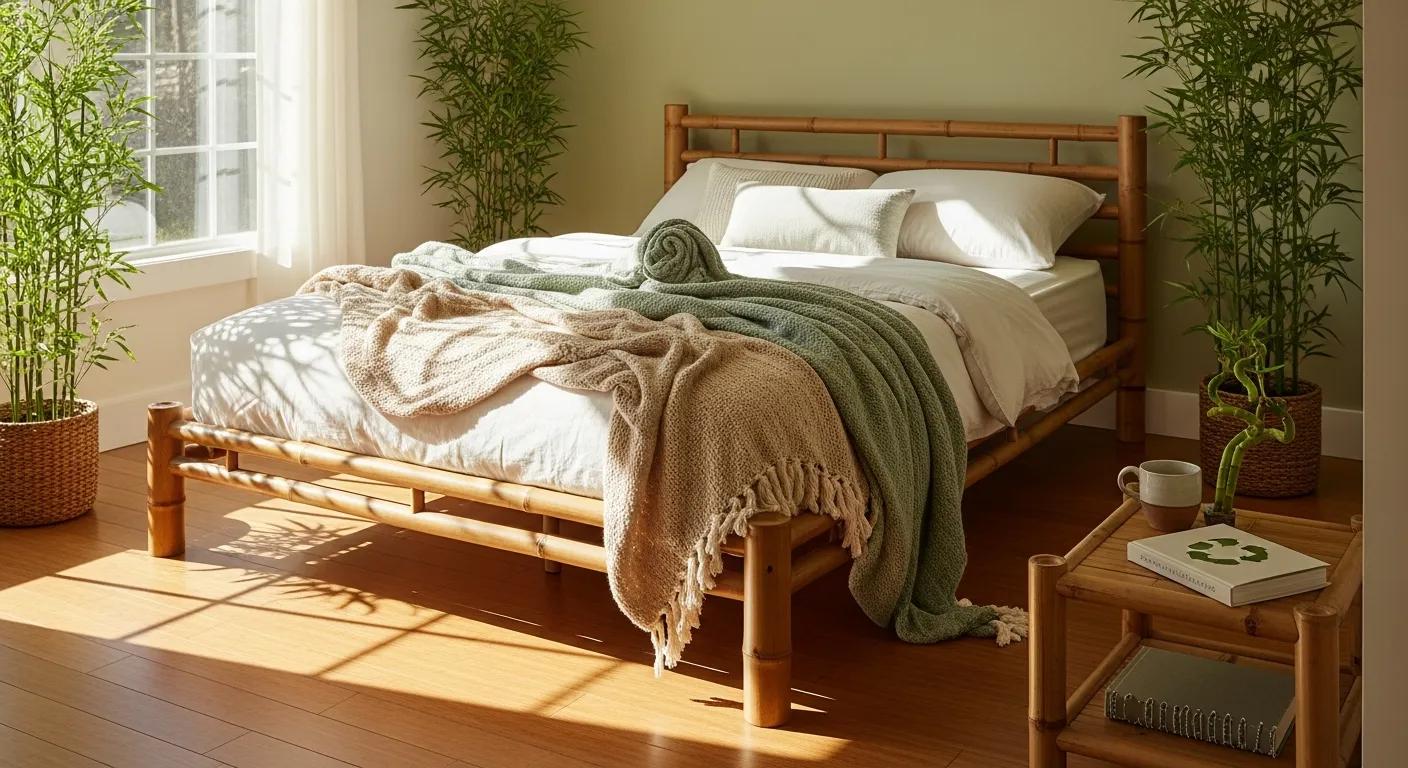
Eco-friendly blankets are more than a trend — they’re a simple way to sleep better while caring for the planet. This guide walks through Australia’s standout options: weighted blankets, bamboo, and GOTS-certified organic cotton. You’ll learn why these materials feel so good, how they help sleep, and what sustainability practices sit behind them. Many people lose sleep to overheating, itchiness or household allergens; choosing an eco-friendly blanket can reduce irritation, improve breathability and create a calmer night’s rest. Below, we explain the different types and how to pick the right one for you.
What are eco-friendly weighted blankets, and how do they help you sleep better?
Eco-friendly weighted blankets give gentle, even pressure across the body — a comforting feeling similar to a hug. That pressure helps the nervous system relax, which can make it easier to fall asleep and stay asleep. When these blankets are made from sustainable fibres like bamboo or organic cotton, you get the calming benefits plus breathable, hypoallergenic fabrics that stay comfortable through the night. For many sleepers, that combination reduces anxiety and improves sleep patterns over time.
How does deep touch pressure stimulation improve relaxation and sleep?
Deep touch pressure stimulation (DTPS) works by applying gentle, distributed weight to the body, which calms the nervous system and encourages the release of serotonin and melatonin while lowering cortisol. The result is a measurable sense of calm and often better sleep. DTPS can be especially helpful for people dealing with anxiety or sensory sensitivities — which is why weighted blankets made from natural, breathable fabrics are a popular, practical choice.
Why pick bamboo or organic cotton for a weighted blanket?
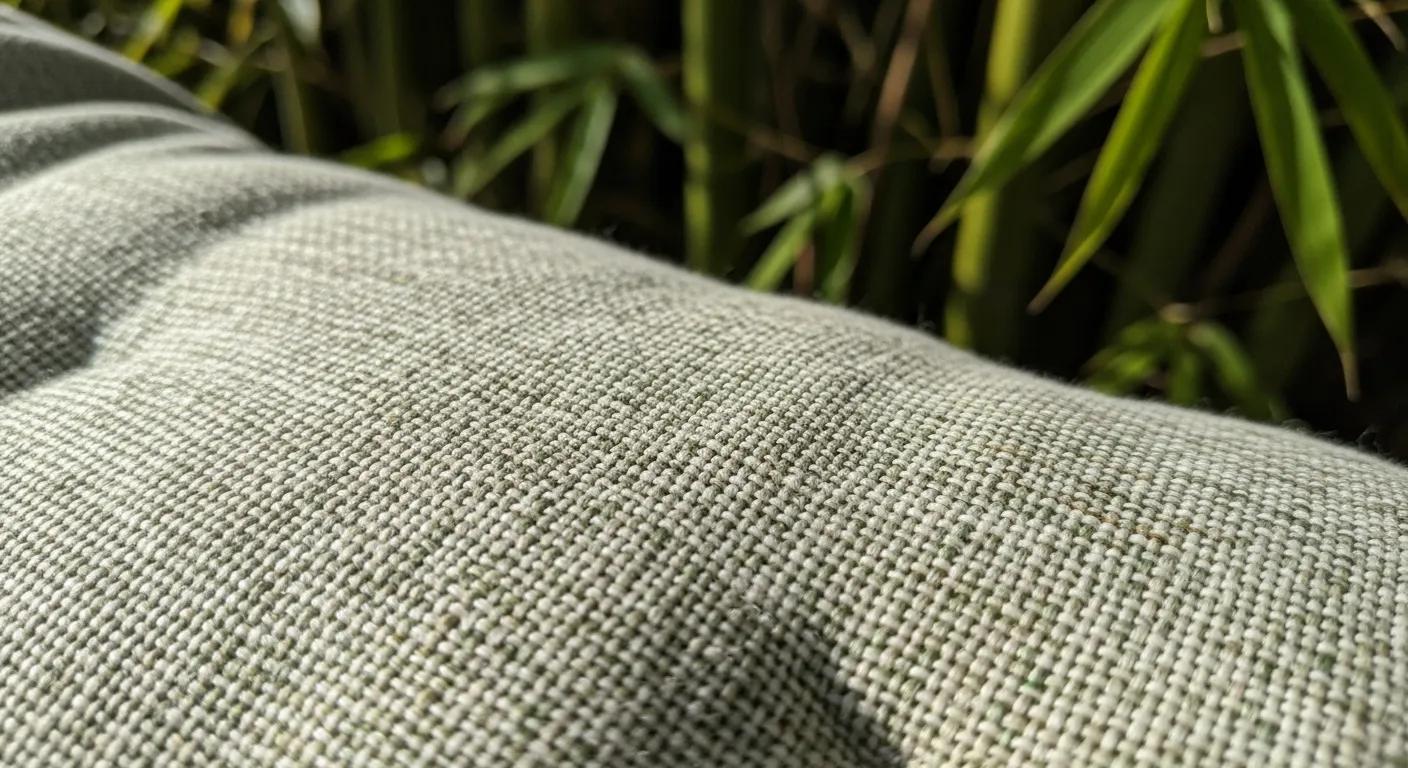
Bamboo and organic cotton are favoured for eco-friendly weighted blankets because they combine comfort with a lower environmental impact. Bamboo grows quickly with minimal water and no pesticides, while GOTS-certified organic cotton is cultivated without harmful chemicals and follows strict social and environmental rules. Both fibres are naturally breathable and gentle on sensitive skin, so they help keep nighttime temperature and irritation under control.
Why are bamboo weighted blankets a sustainable option in Australia?
Bamboo weighted blankets are becoming a go-to choice here because bamboo farming typically uses less water and fewer chemicals than conventional cotton. Bamboo also captures CO2 efficiently and regenerates quickly, which helps soil health and biodiversity when managed responsibly. As Australian shoppers look for low-impact products, bamboo bedding is a practical way to reduce your footprint without sacrificing comfort.
What cooling and hypoallergenic benefits do bamboo blankets offer?
Bamboo blankets are naturally cooling — the fibres wick moisture away from skin, helping to regulate temperature so you sleep comfortably through warm nights. Bamboo is also naturally resistant to dust mites, mould and mildew, which makes it a great option for allergy-prone sleepers or households that prioritise a cleaner bedroom environment.
How does Adorearth’s bamboo weighted blanket support eco-conscious sleep?
Our bamboo weighted blanket is made from responsibly sourced bamboo and designed for balanced weight distribution to maximise the calming effects of DTPS. We partner with ethical manufacturers and emphasise low-impact production so every blanket supports both people and planet. Customers often tell us the blankets feel cool, soft and reliably soothing — a combination that makes them a popular choice for anyone wanting eco-friendly comfort at night.
How do organic cotton blankets deliver breathable luxury and sustainability?
Organic cotton blankets offer a familiar, luxurious softness while prioritising the environment. Their open weave and natural fibres allow excellent airflow, helping to keep you cool if you sleep hot. Because certified organic cotton is grown without synthetic pesticides or fertilisers, these blankets are gentler on skin and kinder to the people and ecosystems involved in their production.
Why are GOTS-certified organic cotton blankets better for you and the planet?
GOTS (Global Organic Textile Standard) certification means the cotton and the manufacturing process meet strict environmental and social criteria from field to final product. Choosing GOTS-certified blankets gives you confidence that harmful chemicals were avoided and that workers’ conditions and environmental impacts were considered throughout the supply chain. The result is a safer, longer-lasting blanket you can feel good about.
How should you care for your organic cotton waffle blanket to keep it soft and durable?
To keep an organic cotton waffle blanket feeling its best, wash in cold water with a gentle detergent and avoid harsh bleaches or fabric softeners. Air drying is ideal to reduce shrinkage and prolong the blanket’s shape and texture. With simple, regular care, you’ll preserve the softness and longevity of your blanket for years.
What types of sustainable blankets and throws are available in Australia?
In Australia, you’ll find a wide range of sustainable blankets and throws: weighted blankets for calm and sleep support, breathable bamboo throws for cooling comfort, and organic cotton blankets for classic softness. Each option brings different benefits — from sensory calm to temperature regulation — and a variety of styles, colours and weights lets you match a product to your home and sleep needs.
How do waffle blankets and natural-fibre throws give you year-round comfort?
Waffle blankets and natural-fibre throws are versatile: waffle weaves trap warm air without feeling heavy, so they’re cosy in cooler months yet light enough for summer layering. Natural fibres like cotton and linen add breathability and a soft touch, making them a practical go-anywhere layer for living rooms and beds throughout the year.
What environmental benefits come from using recycled and natural-fibre throws?
Choosing recycled or natural-fibre throws reduces waste and favours renewable materials over synthetics. Recycled textiles keep fabric out of landfill, while natural fibres biodegrade more readily and usually require less energy to process than petrochemical-based alternatives. Choosing these options helps lower your household’s environmental impact and supports circular, lower-waste systems.
How does Adorearth show commitment to sustainability and ethical sourcing?
Adorearth focuses on low-impact materials and transparent supply chains. We prioritise organic fibres and responsibly grown bamboo, and work with factories that follow clear environmental and labour standards. That commitment helps reduce waste and energy use, and ensures the people who make our products are treated fairly. It’s part of how we aim to deliver quality bedding that aligns with your values.
Which certifications and eco practices validate Adorearth’s products?
Our products carry well-recognised credentials such as GOTS for organic textiles and OEKO-TEX Standard 100 for chemical safety. These certifications help verify that materials are free from harmful substances and that production meets certain social and environmental standards. Choosing certified items is an easy way to ensure your purchase supports responsible sourcing.
How does Australian design and operation affect product quality and sustainability?
Designing and operating from Australia helps us keep quality high and emissions lower. Local design, careful sourcing and partnerships with nearby manufacturers reduce shipping and support local businesses. That local focus also makes it easier to maintain rigorous quality checks and better traceability, so your purchase has a clearer, more sustainable story.
How to choose and care for your perfect eco-friendly blanket in Australia
Picking the right eco blanket comes down to material, weight and size — plus how you plan to use it. Think about whether you need cooling fibres, a calming weighted layer, or an easy-care throw for everyday use. Once you’ve chosen, following simple care steps will keep the blanket performing and looking its best for years.
What factors should you consider when selecting weight, material and size?
- Weight: Aim for a comfortable pressure — many people choose around 10% of body weight for weighted blankets, but personal preference matters.
- Material: Pick sustainable fibres like bamboo or organic cotton for breathability and fewer irritants.
- Size: Choose a size that gives good coverage for your bed or intended use without being cumbersome.
What are the best practices for maintaining and washing eco-friendly blankets?
- Washing: Use cold water and a mild detergent to protect fibres and colour.
- Drying: Air dry where possible to limit shrinkage and preserve shape.
- Storage: Keep blankets in a cool, dry place away from direct sunlight and pests.
| Blanket Type | Material | Benefits |
|---|---|---|
| Weighted Blanket | Bamboo | Calming pressure, breathable and cooling |
| Organic Cotton Blanket | Organic Cotton | Soft, breathable, low-chemical footprint |
| Waffle Blanket | Natural Fibers | Lightweight warmth, versatile year-round use |
Frequently asked questions
What are the key differences between bamboo and organic cotton blankets?
Bamboo blankets are prized for cooling and moisture-wicking — great if you sleep hot — and naturally resist dust mites and mould. Organic cotton feels classic and plush, with excellent breathability and a familiar texture. Both are sustainable choices, but bamboo typically needs less water and fewer inputs to grow; organic cotton carries strong social and chemical standards when it’s GOTS-certified. Your choice will come down to preferred feel and temperature control.
How can eco-friendly blankets help with allergies?
Eco blankets made from bamboo or organic cotton reduce exposure to pesticides and many common allergens. Bamboo’s natural resistance to dust mites and mould helps sufferers, while organic cotton avoids the chemicals that can irritate sensitive skin. Together, these fabrics make the bedroom a healthier place to sleep.
Are eco-friendly blankets a valuable investment?
Eco-friendly blankets represent a valuable investment in your sleep and the planet. While the initial outlay might be a consideration, their durability, superior comfort, and reduced irritants often prove to be a worthwhile choice in the long run. As more people embrace sustainable living, these products are becoming increasingly accessible, making eco-conscious bedding a practical option.
What should I look for when buying a weighted blanket?
Focus on weight, material and size. Many people start with roughly 10% of their body weight for a calming effect, but personal comfort matters most. Choose breathable fabrics like bamboo or organic cotton, and pick a size that covers you comfortably without dragging or folding awkwardly. Certifications like GOTS or OEKO-TEX add extra assurance about materials and safety.
How do I know if a blanket is truly eco-friendly?
Look for trusted certifications such as GOTS for organic textiles or OEKO-TEX Standard 100 for chemical safety. Check the brand's supply chain transparency and manufacturing claims, and read reviews from other customers. Clear labels and documented practices are strong signals of genuine sustainability.
Can eco-friendly blankets be machine-washed?
Most can, but always follow the care label. A cold, gentle wash with mild detergent is a safe default; avoid bleach and fabric softeners. Air drying helps preserve shape and fibre integrity. With a little care, eco-friendly blankets stay comfortable and long-lasting.