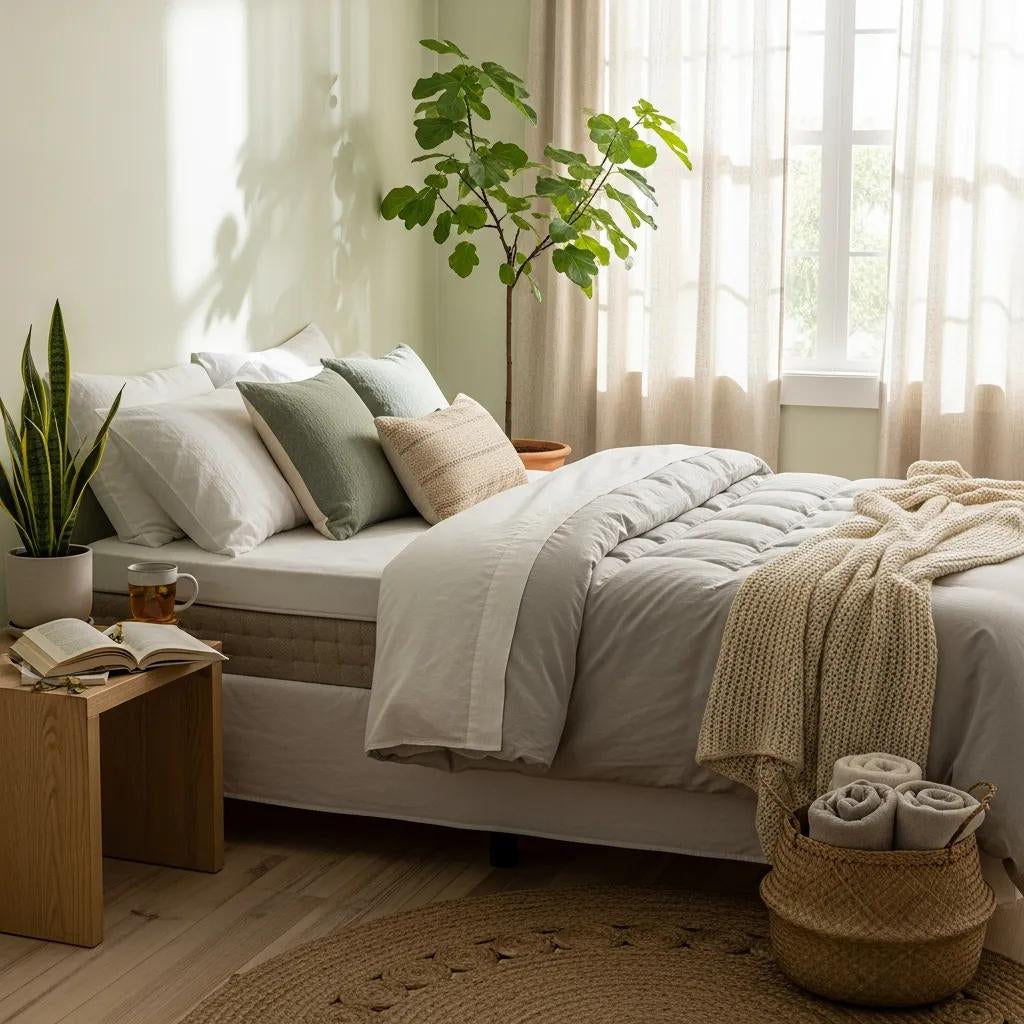
Sustainable Mattress Toppers for Comfort and Style — An Organic Bamboo Guide for Australia
Think of sustainable mattress toppers as a simple, eco-aware way to upgrade your sleep. Made from renewable or responsibly sourced fibres, these toppers cut down environmental impact while improving comfort and giving your bedroom a cleaner, more considered look. This guide walks through why eco-friendly toppers often mean better sleep and longer value, and why organic bamboo is a top choice for many Australian shoppers. If you struggle with overheating, sensitive skin or toppers that wear out fast, a well-made sustainable pad fixes those issues with breathable construction, natural performance and materials that break down more kindly at the end of life. We’ll cover what eco-friendly toppers are, why bamboo performs so well, how latex and wool compare, practical buying steps, how Adore Earth frames its bamboo topper, and simple care tips to keep your topper feeling great for years. Expect straightforward comparisons, a short decision checklist and details that help you choose with confidence.
What Are Sustainable Mattress Toppers and Why Choose Them?
Sustainable mattress toppers are extra bedding layers made from renewable, low-toxicity or recycled materials where both production and disposal are considered. They cut down on chemical finishes and avoid synthetic fire retardants, which helps reduce indoor pollutants. Fibres like organic bamboo or responsibly sourced wool use fewer harsh inputs, and the best options are built to last, so you replace them less often. Choosing a sustainable topper improves indoor air quality, stretches the useful life of your bedding and brings your bedroom in line with greener values — especially important if you want a non-toxic sleep surface. Let's break down the material differences to help you compare options.
Sustainable toppers typically deliver three practical benefits:
- Cleaner indoor air thanks to fewer VOCs and harsher chemical finishes.
- A smaller environmental footprint through renewable fibres and reduced pesticide or water use.
- Better long-term value from durable materials that hold shape and comfort.
These benefits show why more people are now looking beyond just price to the origin and performance of their bedding. Next, we'll explore how these choices can benefit your health and the planet.
How Do Sustainable Mattress Toppers Benefit Your Health and Environment?
On the health side, sustainable toppers reduce exposure to volatile organic compounds (VOCs) and limit chemical residues — a clear advantage if you or your family are sensitive to smells or irritants. Many natural fibres also discourage dust mites and bacterial growth, improving indoor air and lowering triggers for allergies or skin irritation. Environmentally, organic bamboo uses less water and no synthetic pesticides compared with conventional cotton, and responsibly sourced natural fibres biodegrade more readily at the end of life, cutting landfill burden. Understanding these benefits makes it easier to choose materials that offer both great sleep comfort and a lower ecological footprint.
Next, we'll compare the most common eco-friendly materials so you can find the perfect match for your sleep needs.
Which Materials Define Eco-Friendly Mattress Pads?
Eco-friendly mattress pads are usually made from organic bamboo, natural latex, wool or recycled fibres — each has its own trade-offs. Bamboo is lightweight, breathable and soft to the touch; natural latex offers resilience and pressure relief; wool gives natural temperature buffering and moisture control; and recycled fibres are a more budget-friendly, sustainable option with mixed performance. In short, bamboo is fantastic for cooling and sensitive skin, latex for contouring support, and wool for regulating warmth throughout the seasons. Choosing the right topper depends on your sleeping style, sensitivities, and budget – we'll explain why bamboo often comes out on top for a blend of comfort and style below.
Why Choose Organic Bamboo Mattress Toppers for Comfort and Style?

Organic bamboo toppers pair a silky, cool cover with reliable breathability and moisture-wicking — a useful combo for style-conscious, eco-aware sleepers. Bamboo’s open weaves promote airflow and help disperse heat, while the fibre’s natural antibacterial qualities reduce smells and limit dust-mite attraction. The fabric drapes nicely and reads neutral in most bedrooms, giving a premium look without synthetic overlays. Below is a compact comparison that shows how bamboo’s features translate into real sleep benefits.
| Material | Key Attribute | Sleep Benefit |
|---|---|---|
| Organic bamboo (cover & fibre) | Open, breathable weave; moisture-wicking | Helps regulate temperature and reduces night sweats |
| Bamboo (antibacterial/hypoallergenic) | Natural antimicrobial traits | Fresher surface and less dust-mite attraction for sensitive skin |
| Bamboo (aesthetic & hand) | Silky soft feel, understated drape | Elevates bedroom style with a cosy, premium touch |
This quick chart shows how bamboo's design translates into practical comfort and sustainability benefits. The next section explains which sleepers will love these traits the most.
What Are the Key Bamboo Mattress Topper Benefits for Sleep Quality?
Bamboo toppers boost sleep quality through temperature control, moisture management and a soft sleeping surface that reduces small disturbances. The breathable weave moves heat away from the body while the fibre wicks moisture, helping hot sleepers stay drier and less likely to wake. The gentle surface also cuts friction on hair and skin, which is kinder for sensitive sleepers, and it complements mattress support without changing pressure distribution dramatically. Bamboo is especially useful for combination sleepers, people who overheat and anyone after a naturally hypoallergenic surface.
To understand why this works so well, let's look at how the weave and fibre chemistry provide amazing airflow and hygiene.
How Does Bamboo Provide Temperature Regulation and Hypoallergenic Comfort?
Bamboo moderates temperature with an open, Coolweave™-style structure that encourages airflow and allows evaporative cooling, so heat and moisture move away from the sleeper. Bamboo also contains natural compounds that curb microbial growth, producing a drier, fresher surface that resists odour and dust-mite build-up. Together, airflow plus antimicrobial action explain why many bamboo covers outperform synthetics on both cooling and cleanliness. Here's a tip: choose a topper with a tight yet breathable weave and a washable cover to maintain its cooling performance over time.
How Do Natural Latex and Wool Mattress Toppers Compare to Bamboo?

Latex and wool serve different needs compared with bamboo, so the best pick depends on your priorities. Natural latex offers a buoyant, responsive feel that’s great for pressure relief and spinal alignment, while wool provides excellent moisture buffering and seasonal insulation thanks to its crimpy fibres and lanolin. Bamboo stands out for surface cooling and easy-care covers. Use the table below to see which material fits common sleep priorities.
| Material | Sustainability Trait | Comfort/Performance |
|---|---|---|
| Bamboo | Lower water and pesticide use; biodegradable | Cool, soft surface — ideal for warm sleepers |
| Natural latex | Renewable sap source; long lifespan | Resilient, contouring support for pressure relief |
| Wool | Renewable fibre; biodegradable | Great moisture management and seasonal insulation |
That side-by-side shows each material's strengths. Next, we'll take a closer look at latex and wool so you can match a topper to your specific needs.
What Are the Sustainability and Comfort Features of Natural Latex Mattress Toppers?
Natural latex comes from rubber tree sap and is prized for its natural elasticity and durability. Because latex lasts, it often offers a lower cost-per-year than short-lived synthetics, and products from reputable brands often highlight responsible sourcing and processing. Comfort-wise, latex gives noticeable lift and quick responsiveness — good for spinal support and sleepers who prefer a buoyant surface. Just a heads-up: if you have a latex allergy, it's best to avoid natural latex items and always check product details carefully before buying.
How Do Wool Mattress Toppers Support Eco-Friendly Bedding Comfort?
Wool toppers use fleece to provide natural thermoregulation: fibres trap air for warmth in cooler months and wick moisture away when it’s warmer. Wool’s lanolin and fibre structure also help resist odours and reduce dust-mite issues to a degree, and the material is biodegradable at the end of life. Caring for wool usually means gentle airing and occasional specialist cleaning to keep its loft and performance – something to consider for long-term value. Wool is a strong pick for sleepers who want natural insulation and moisture control without synthetic layers.
How to Choose the Best Sustainable Mattress Topper for Your Sleep Needs?
Picking the right sustainable topper is about matching material features to your sleep problems, checking construction details like thickness and cover weave, and balancing price against expected lifespan. Start by naming your main issue — overheating, allergies, pressure points or pet hair — then target materials and features that address it directly: bamboo for cooling, latex for pressure relief. Don’t forget fit (size, fitted skirt or elastic), and look for easy-care covers that preserve performance.
| Use Case | Recommended Material | Typical Value Indicator |
|---|---|---|
| Hot sleepers | Organic bamboo | Breathable weave and strong cooling |
| Allergy sufferers | Bamboo or certified latex | Hypoallergenic surface with antimicrobial action |
| Back pain/pressure relief | Natural latex | Contouring support and a resilient feel |
| Budget-friendly sustainability | Recycled fibre or mid-tier bamboo | Lower upfront cost with moderate lifespan |
Use this short checklist when you shop:
- Identify your main sleep problem and prioritise materials that target it.
- Check topper thickness and how it pairs with your mattress firmness.
- Confirm care needs and whether covers are machine-washable.
- Review manufacturer policies to ensure peace of mind with your purchase.
These steps will help you narrow down your choices quickly. Next, we'll cover picks for sensitive skin and how to balance style with value.
Which Mattress Topper Is Best for Sensitive Skin and Allergy Sufferers?
If you have sensitive skin or allergies, bamboo and certified natural latex are reliable choices because they offer naturally low-irritant surfaces and antimicrobial qualities. Look for clear material declarations – like organic fibres and minimal chemical finishes – and consider allergen-proof encasements for extra protection. Regular washing of removable covers and using breathable bedding also reduces dust build-up and helps skin feel calmer. Together, these steps let allergy-prone sleepers enjoy a sustainable topper without compromising comfort.
How to Select a Mattress Topper That Balances Style, Comfort, and Affordability?
Finding balance means thinking long-term rather than chasing the lowest price. Durable natural materials usually cost more up front but save you from frequent replacements and waste. Decide which aesthetic matters — a low-profile neutral cover, a soft sheen or a textured weave — then match that to material performance: bamboo for a silky finish, wool for textured depth, latex for streamlined support. Group options into different tiers and factor in expected lifespan and maintenance to estimate a realistic long-term value. This approach helps your purchase support both your budget and sustainability goals.
How Does Adore Earth's Organic Bamboo Mattress Topper Stand Out?
Our Australian‑designed bamboo bedding is built around a simple sustainability and comfort promise: 100% organic bamboo that’s soft, breathable and friendly for skin and hair. We highlight our Coolweave™ structure for better temperature control, plus hypoallergenic and antibacterial properties that reduce dust-mite attraction. Our tight weave helps keep pet hair at bay while maintaining a premium, minimalist look. We also emphasise ethical manufacturing and the lower water and pesticide footprint of bamboo versus conventional cotton – messages that resonate with eco-aware shoppers. For peace of mind, we offer customer-friendly policies and a commitment to your satisfaction.
These features and policies give shoppers practical ways to understand the value; below, we explain styling benefits tied to the brand’s positioning.
What Sustainable Certifications and Ethical Practices Does Adore Earth Follow?
At Adore Earth, we're proud of our commitment to sustainability. Our Australian-designed range is crafted from organic bamboo, chosen for its significantly lower water usage and the absence of harmful pesticides compared to conventional cotton. We focus on ethical manufacturing practices, ensuring our products are made with care for both people and the planet. While we don't list specific certification names here, we stand by our transparent sourcing and responsible production, aiming to provide you with bedding you can trust.
How Does Adore Earth's Bamboo Topper Enhance Bedroom Style and Durability?
Adore Earth highlights a silky surface and neutral palette that slip easily into modern or minimalist bedrooms, while a tight weave helps keep pet hair and lint less visible. Durability comes from careful construction and a robust cover that keeps the topper feeling soft over time, so you won’t need to replace it as often — an important sustainability win. For styling, pair the topper with breathable linen or cotton in complementary tones to show off its subtle sheen and keep airflow for cooling. These tips make it easy to picture the topper in a real home.
How to Care for and Maintain Your Sustainable Mattress Topper?
Keeping a sustainable topper in good shape is mostly about gentle care, regular airing and protection. For organic bamboo covers, treat stains quickly, wash removable covers according to the manufacturer’s instructions with a mild detergent, and air the topper regularly to remove trapped moisture. Rotate the topper every few months to even out wear, and use a breathable mattress protector to cut down on direct soiling. These simple habits preserve comfort, reduce replacements and improve both affordability and environmental performance.
Below are practical cleaning steps you can follow for bamboo and other natural materials.
What Are the Best Practices for Cleaning and Preserving Bamboo Mattress Toppers?
Best practice is gentle care: tackle spills right away with a mild detergent, wash removable covers on a gentle cycle only if the label allows, and avoid high‑heat tumble drying that can damage fibres. Air the topper outdoors or in a well‑ventilated room to refresh the fabric naturally, and rotate every 2–3 months to prevent uneven compression. Use a breathable protector to reduce cleaning frequency and always follow the manufacturer’s care notes for both cover and fill to ensure lasting performance.
These simple actions keep your topper hygienic and comfortable while extending usable life.
How Does Proper Care Extend the Life and Comfort of Eco-Friendly Mattress Pads?
Good care preserves fibre loft, discourages microbial growth and reduces mechanical wear — all of which slow down the need to replace bedding. Extending a topper’s life by just a few years lowers its annual environmental cost and saves you money. Regular maintenance — spot cleaning, airing, rotating and using protectors — keeps performance high and replacement cycles longer, which aligns neatly with the goals of eco‑minded shoppers. Caring for your topper is a small effort that pays back in comfort and sustainability.
Frequently Asked Questions
What should I consider when choosing a sustainable mattress topper?
Start with your main sleep problem — overheating, allergies, pressure or pet hair — and pick materials that address it. Check thickness and how the topper will pair with your mattress, confirm care requirements (is the cover machine‑washable?) and review manufacturer policies to ensure peace of mind with your purchase. Those practical checks help you buy with confidence and keep your choice aligned with eco‑friendly goals.
How do I know if a mattress topper is truly eco-friendly?
Look for brands that are transparent about their sourcing and production steps. Clear material declarations and trustworthy reviews can help you identify genuine eco-friendly options.
Can sustainable mattress toppers help with allergies?
Yes. Materials like organic bamboo and certified natural latex can reduce dust mites and microbial growth because of their natural properties, creating a cleaner sleep surface. Choosing minimal chemical finishes and washable covers further lowers exposure to irritants, which is useful for sensitive sleepers.
What is the lifespan of a sustainable mattress topper?
Lifespan varies by material and care. High‑quality natural options such as latex and organic bamboo often last five to ten years with proper maintenance. Regular airing, spot cleaning and rotation help extend usability and keep the topper performing well.
Are there budget-friendly options for sustainable mattress toppers?
Yes. Recycled fibres and mid‑range bamboo toppers offer a more affordable route into eco‑friendly bedding. They may not last as long as premium natural options, so weigh upfront cost against expected lifespan to find the best long‑term value.
How can I enhance the comfort of my sustainable mattress topper?
Pair the topper with breathable bedding like cotton or linen to boost airflow and moisture control. Use a breathable mattress protector to protect the topper and reduce cleaning, rotate regularly and air it out to keep loft and comfort consistent. Also, make sure the topper’s thickness and firmness suit your personal sleep preferences.