



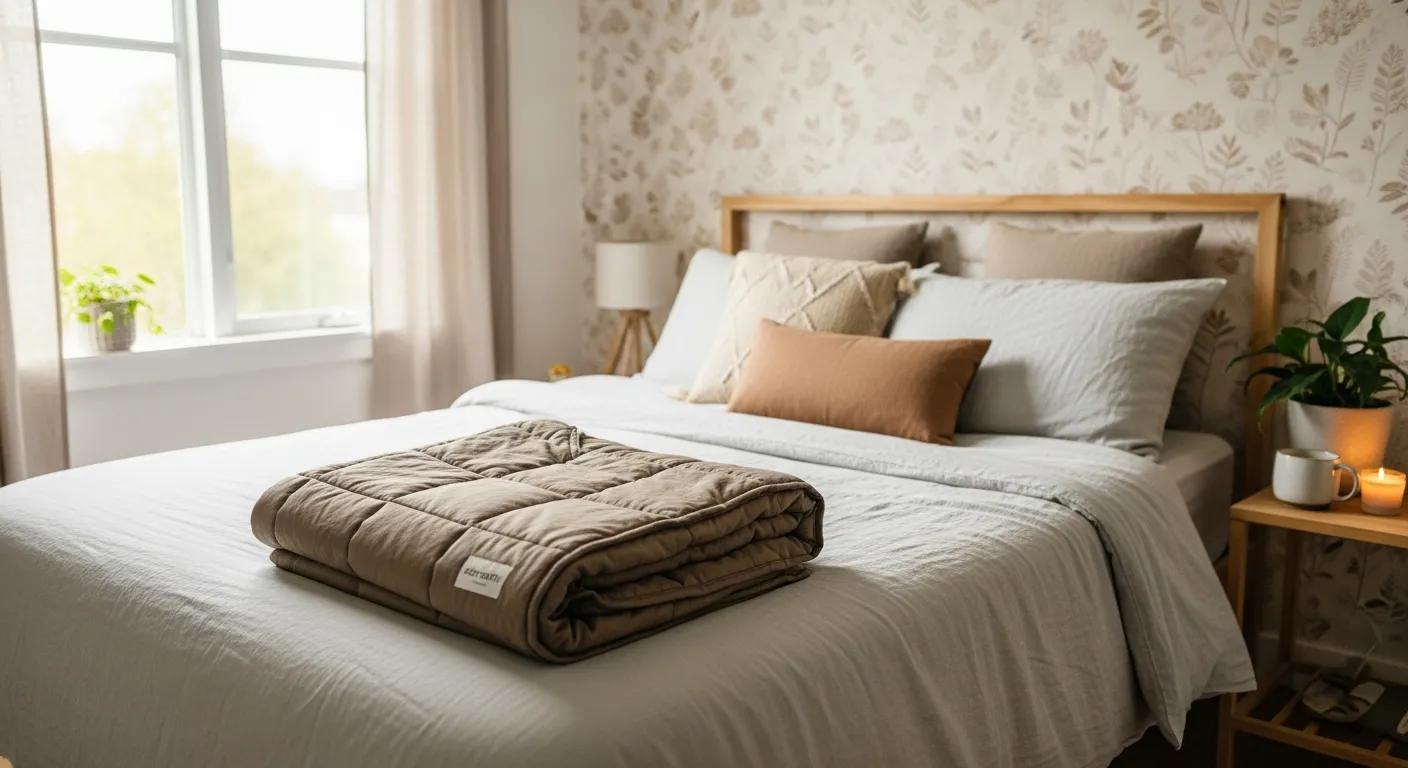
Weighted blankets are increasingly popular because they help plenty of people sleep more soundly and feel calmer. By applying gentle, even pressure, they support relaxation and can ease anxiety for many users. In this guide, we look at the sustainable side of weighted blankets — the eco-friendly materials, the sleep and mental-health benefits, how they stack up against conventional options, and what makes Adorearth’s weighted blankets a responsible choice for shoppers in the UK.
Which materials make weighted blankets truly sustainable?
How eco-friendly a weighted blanket is depends mostly on what it’s made from. The most sustainable options combine natural fibres like organic cotton and bamboo lyocell with low-impact fillings such as recycled glass beads. Together, these choices reduce the blanket’s environmental footprint while keeping comfort front and centre.
How do organic cotton and bamboo lyocell boost sustainability in weighted blankets?

Organic cotton is grown without synthetic pesticides or fertilisers, which lowers pollution and supports healthier soil and ecosystems. Bamboo lyocell comes from managed bamboo sources and is produced in a closed-loop process that reclaims solvents and uses less water than ordinary cotton. Both fibres are biodegradable, soft and breathable — qualities that make them comfortable to sleep under and kinder to the planet at the end of their life. Choosing sustainable textile fibres is incredibly important for reducing environmental harm.
What role do recycled glass beads play in eco-friendly weighted blanket fillings?
Recycled glass beads provide weight without relying on new plastic or metal. Made from post-consumer glass, they cut waste and lower demand for virgin materials. When manufacturers choose non-toxic recycled beads, the result is a filling that performs well, feels balanced, and keeps the product healthier for you and kinder to the environment.
How do sustainable weighted blankets improve sleep and reduce anxiety?
Sustainable weighted blankets use deep touch pressure to support better sleep and calm the nervous system. That gentle, even pressure can help the body produce serotonin and melatonin while easing cortisol — a mix that encourages relaxation and steadier sleep. Many people find that weighted blankets truly make a difference to their sleep and mental well-being.
What is deep touch pressure, and how does it ease anxiety?

Deep touch pressure (DTP) is the term for firm but gentle pressure applied across the body — similar to a comforting hug. DTP activates the parasympathetic nervous system, which can lower heart rate and reduce cortisol, helping people feel calmer and more secure. Many users report that this steady pressure makes falling and staying asleep easier. We know that deep pressure can have wonderful physiological effects, helping to calm anxiety and support better sleep.
How do non-toxic materials contribute to a healthier sleep environment?
Traditional textiles sometimes contain chemicals or synthetic fibres that can irritate skin or affect indoor air quality. Choosing organic, certified materials such as organic cotton and bamboo lyocell reduces exposure to those substances. Certified non-toxic fabrics give you confidence that your blanket supports a safer, more comfortable sleep space.
What environmental benefits do sustainable weighted blankets offer compared to traditional ones?
Eco-friendly weighted blankets cut environmental harm in several ways — from lower chemical use during production to reduced waste at the end of life. Choosing natural, responsibly produced materials helps shrink the overall ecological footprint of the product.
How do sustainable blankets reduce microplastic pollution and chemical use?
Synthetic fibres can shed microplastics during washing, which end up in waterways. Natural fibres like organic cotton and bamboo lyocell won’t release microplastics, protecting aquatic life. In addition, sustainable production methods usually rely on fewer harsh chemicals, which reduces pollution across the supply chain.
What is the lifecycle and biodegradability of eco-friendly weighted blankets?
When made from biodegradable fibres and responsibly sourced components, weighted blankets have a lower long-term impact. Natural fibres will break down more readily than synthetic materials, and many makers now follow sustainable practices from sourcing through packaging to further reduce waste. That means a more circular product lifecycle and less landfill burden over time.
Why choose Adorearth’s eco-friendly weighted blanket in the UK market?
At Adorearth, we design weighted blankets with both wellbeing and sustainability in mind. Our choices — from fibres to fill — aim to deliver the calming benefits you want, while keeping environmental impact low. That makes our blankets a practical pick for eco-conscious shoppers across the UK.
What sustainable certifications and quality standards does Adorearth follow?
We work with recognised certifications and strict quality checks to ensure our materials come from ethical sources and are free from harmful substances. Labels for organic and non-toxic production mean you can trust the product you bring into your home — both for safety and sustainability.
How does Adorearth's commitment to sustainability enhance comfort and durability?
We prioritise long-lasting materials and careful construction so a blanket feels soft and breathable from day one and stays that way over years of use. Durable, high-quality fabrics like organic cotton and bamboo lyocell hold up well to regular care, which both saves money and reduces waste compared with short-lived alternatives.
How to select and care for your sustainable weighted blanket for long-lasting benefits?
Picking the right blanket and looking after it properly will make a big difference to comfort and longevity. The guidance below will help you choose and care for your blanket, so it continues to perform and stays gentle on the planet.
What are the best weight and size options for different needs?
A good rule of thumb is to choose a blanket that’s about 10% of your body weight for optimal comfort and DTP benefits. Consider bed size and whether you prefer a snug feel or a looser drape. Picking the right size helps the blanket distribute weight evenly and deliver the most calming effect.
How should you maintain and safely use your eco-friendly weighted blanket?
Follow the manufacturer’s care label for best results. Many eco blankets can be machine-washed on a gentle cycle and air-dried to protect fibres and fillings. Avoid strong detergents and fabric softeners, which can damage natural materials. Proper care keeps the blanket comfortable and effective for years.
| Material | Sustainability Benefit | Environmental Impact |
|---|---|---|
| Organic Cotton | Grown without pesticides | Reduces soil and water pollution |
| Bamboo Lyocell | Closed-loop production | Minimises waste and water usage |
| Recycled Glass Beads | Made from post-consumer glass | Reduces landfill waste |
Sustainable weighted blankets give you the comfort and sleep support you want while lowering environmental harm. Choosing products made from organic and recycled materials is a simple way to align better sleep with eco-friendly values. Adorearth’s focus on responsible sourcing and durable design means our weighted blankets are made to be a thoughtful, long-lasting choice.
Frequently Asked Questions
What are the health benefits of using weighted blankets?
Weighted blankets can help ease anxiety, improve sleep quality and support people with sensory processing differences. The steady pressure they provide may increase serotonin and melatonin while lowering cortisol, which can promote relaxation and more restful sleep for many users.
Can weighted blankets be used by children?
Yes — weighted blankets can be helpful for children, especially those with anxiety, ADHD or autism. Choose the right weight and size: a common guideline is roughly 10% of the child’s body weight. Always check suitability for the child’s age and consult a healthcare professional if you have any concerns about safety or breathing risks.
How do I choose the right weight for my weighted blanket?
We recommend starting with a blanket around 10% of your body weight for most adults. For example, a 70 kg person would generally find a 7 kg blanket comfortable. Personal preference and any medical conditions should also guide your choice, so adjust up or down as needed.
Are there any specific care instructions for eco-friendly weighted blankets?
Follow the care instructions on your blanket’s label. Most eco-friendly blankets tolerate a gentle machine wash, but air-drying is usually best to protect natural fibres and fillings. Avoid harsh detergents and fabric softeners to keep the materials in good condition.
What makes Adorearth’s weighted blankets different from others on the market?
Adorearth focuses on sustainable materials, ethical sourcing and durable construction. Our blankets use organic and regenerative fibres plus responsible fillings, and we follow recognised certifications to ensure products are free from harmful chemicals. The result is a comfy, long-lasting blanket that aligns with eco-friendly values.
Can weighted blankets help with sleep disorders?
Weighted blankets can be a helpful tool for people with insomnia or restless sleep by promoting relaxation through deep touch pressure. While many users report better sleep, they’re not a replacement for medical treatment — talk to a healthcare professional if you have a diagnosed sleep disorder.