



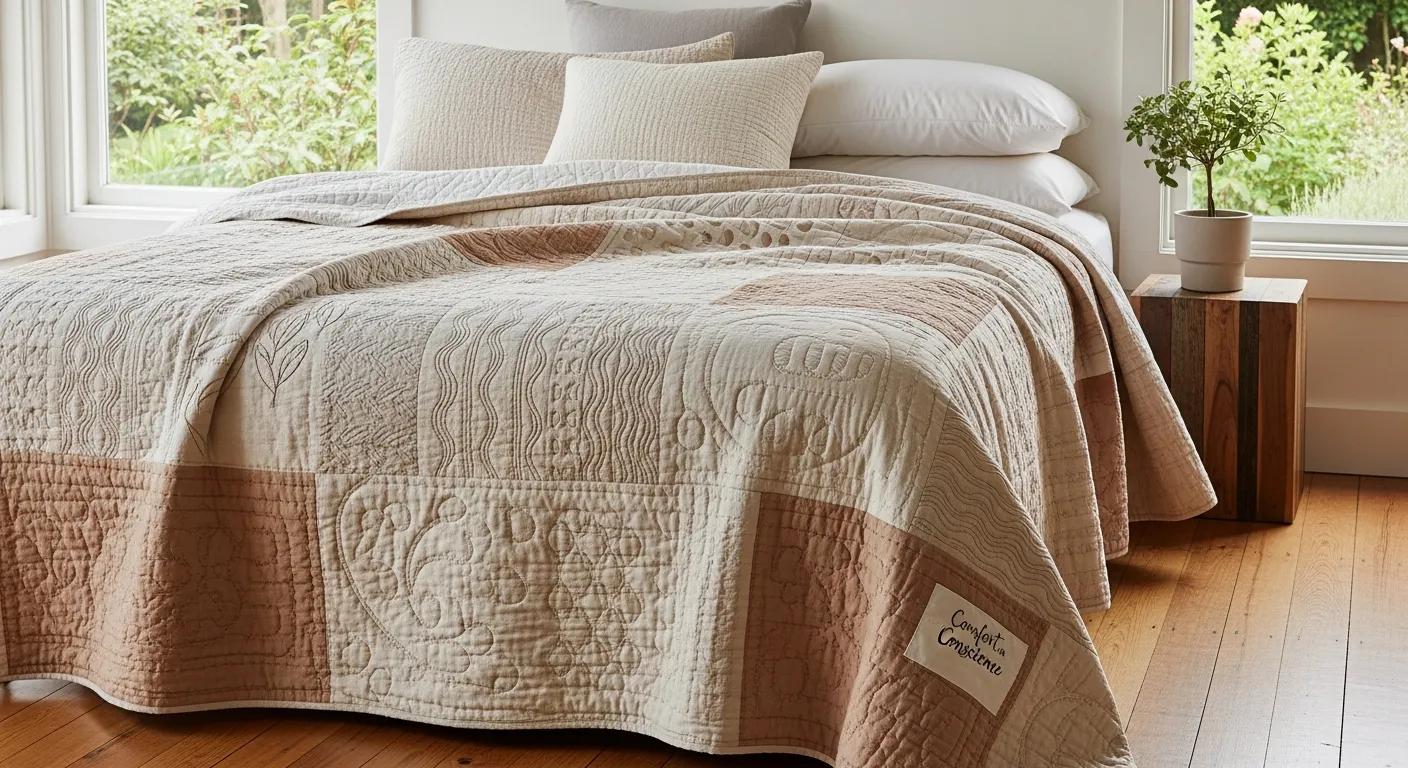
More Australians are choosing sustainable cotton quilts — and for good reason. They’re soft, breathable, and, when made responsibly, lower the environmental cost of the things we sleep on. This guide walks through the real benefits of organic cotton quilts: their environmental footprint, health and sleep advantages, and what makes Adorearth’s range different. Many shoppers don’t realise how much sustainable bedding can differ from conventional options, and small choices at purchase can have big impacts down the track. Read on for clear, practical advice on choosing the right quilt for Australia’s seasons, where to buy ethically online, and how cotton compares with other eco materials.
Understanding how Australians think about bedlinen helps us nudge the market toward smarter, more sustainable choices.
What are the environmental benefits of organic cotton quilts?
Choosing organic cotton quilts supports farming methods that use fewer chemicals and often less water. That translates to healthier soils, fewer toxins entering local waterways and a smaller overall resource footprint for the bedding you bring into your home.
How does organic cotton reduce water use and chemical inputs?
Organic cotton is grown using practices that build soil health and rely far less on synthetic pesticides and fertilisers. Compared with conventional cotton, organic methods can sharply reduce water demand — some studies report reductions up to 91% — and lower the chemical burden that damages ecosystems and endangers farm communities.
The environmental and social pressures tied to conventional cotton make sustainable alternatives increasingly important.
How do sustainable cotton quilts support Australian biodiversity?
Sustainable cotton farming avoids many synthetic chemicals, which gives native plants and animals a better chance to thrive. Choosing organic reduces toxic runoff and helps local ecosystems recover — a small decision at home that can add up across a landscape.
That said, cotton farming in Australia brings its own environmental and logistical challenges that require careful planning and management.
How do sustainable cotton quilts improve health and sleep?

Organic cotton quilts are gentler on sensitive skin and usually free from the harsher chemical finishes found in conventional textiles. That makes them a solid choice if you want a healthier bedroom and a more comfortable night’s sleep.
Why are organic cotton quilts hypoallergenic and chemical‑free?
Because the fibre and its processing avoid many common pesticides and finishing chemicals, organic cotton quilts carry fewer residues that can irritate skin or trigger allergies. If someone in your household has sensitivities, organic cotton lowers exposure to those unwanted chemicals close to your face and body.
How do breathability and temperature regulation boost comfort?
Organic cotton breathes and wicks moisture, helping to regulate your temperature while you sleep. That airflow keeps you cooler when it’s warm and reduces clamminess — especially useful in Australia, where bedroom temperatures can swing with the seasons.
What makes Adorearth’s organic cotton quilts different in Australia?
At Adorearth, we design quilts for real Australian homes: breathable, responsibly made and built to last. We focus on transparent sourcing, everyday comfort and clean styling that suits living here.
How does GOTS certification guarantee ethical and sustainable production?
Our quilts carry GOTS certification, which means both the cotton and the processing meet strict environmental and social standards. From the farm to the factory, GOTS gives independent assurance that the product was made responsibly across the supply chain.
Why is Australian design important for the local climate and needs?
Designing for Australia means choosing weights, stitching and finishes that suit our climate and lifestyle — not just overseas trends. It also supports local know‑how and results in bedding that performs well in everyday homes, all year round.
Which organic cotton quilt options suit Australian seasons?
Choosing the right quilt comes down to weight and construction. The correct option will keep you comfortable through hot summers and cooler winters without needing too many extra layers.
How to choose the right quilt weight for summer and all seasons?
Lightweight quilts work well for summer — they let heat escape and keep you breathable. Mid‑weight or all‑season quilts are versatile for shifting temperatures, while heavier quilts provide the insulation you want in cooler months. Consider your bedroom’s usual temperature and how you like to sleep when picking a weight.
What are the key features of Adorearth’s summer and all‑season quilts?
Our summer quilts are airy and low bulk for cool, comfortable sleep; our all‑season options balance warmth and breathability for year‑round use. Across the range, you’ll find organic cotton shells, GOTS certification, thoughtful stitching to stop fill shifting and simple designs that suit most bedrooms.
Where can you buy ethical, eco‑friendly cotton quilts online in Australia?
Buying sustainable quilts online is simple. At Adorearth, we give clear product details, straightforward ordering and transparent policies so you can shop with confidence from home.
What are the advantages of buying Adorearth’s organic cotton quilts online?
Shopping with us online puts product specs, customer reviews and comparisons at your fingertips so you can choose the right quilt without leaving home. We show materials, certifications and care instructions clearly — everything you need to decide.
How do free delivery and our commitment to your satisfaction improve your purchase?
We offer free delivery on qualifying orders and are committed to your complete satisfaction, so you can choose your quilt with confidence. That support makes choosing sustainable bedding easier and gives you peace of mind after checkout.
How do sustainable cotton quilts compare with other eco‑friendly bedding materials?
Different natural fibres excel in different areas. Knowing the differences helps you pick bedding that matches your priorities — whether that’s breathability, softness, durability or a smaller environmental footprint.
What are the differences between organic cotton, bamboo and cotton‑bamboo blends?
Organic cotton is breathable, durable and naturally hypoallergenic; bamboo tends to be silky, highly moisture‑wicking and has antimicrobial properties; blends try to combine softness with structure. Each material behaves differently for warmth, airflow and care, so choose the one that fits how you sleep.
Why choose pure organic cotton quilts over blended alternatives?
Pure organic cotton delivers dependable breathability, natural comfort and clearer sustainability credentials when certified. Blends can offer different textures or wicking, but they sometimes complicate recycling or change airflow. If straightforward performance and easier end‑of‑life options matter to you, pure organic cotton is a strong choice.
Frequently Asked Questions
What is the lifespan of sustainable cotton quilts compared to traditional quilts?
Well‑made sustainable cotton quilts typically outlast cheaply made alternatives because they use higher‑quality fibres and stronger construction. With proper care, they keep their shape and comfort for years, which reduces waste and gives better long‑term value.
How can I care for my sustainable cotton quilt to ensure its longevity?
Wash in cold water with a gentle detergent and avoid bleach or fabric softeners. Line drying is best, but if you use a dryer, choose a low heat setting. Give the quilt a gentle shake or fluff occasionally to keep its loft, and always follow the care label for specific instructions.
Are there any certifications to look for when purchasing sustainable cotton quilts?
Yes — look for GOTS (Global Organic Textile Standard) for verified organic and socially responsible production, and OEKO‑TEX Standard 100 to confirm fabrics are free from harmful substances. These certifications help verify genuine sustainability and safety claims.
What are the benefits of supporting local Australian brands like Adorearth?
Buying local helps keep jobs in Australia, often lowers shipping emissions and usually results in products designed for our climate and lifestyle. Local brands also tend to be more transparent about manufacturing and easier to contact if you need support after purchase.
Can sustainable cotton quilts be recycled or composted at the end of their life?
Yes — organic cotton is biodegradable, so quilts made entirely from natural fibres can often be composted or repurposed. If a quilt contains synthetic fills or components, recycling options are more limited, so check local facilities and product details before disposal.
How do sustainable cotton quilts contribute to reducing carbon emissions?
Sustainable cotton quilts reduce emissions by cutting chemical inputs, conserving water and supporting farming and manufacturing practices that use less energy. Brands that prioritise renewable energy and efficient production further lower the product’s carbon footprint. Choosing sustainable options supports these lower‑impact supply chains.