



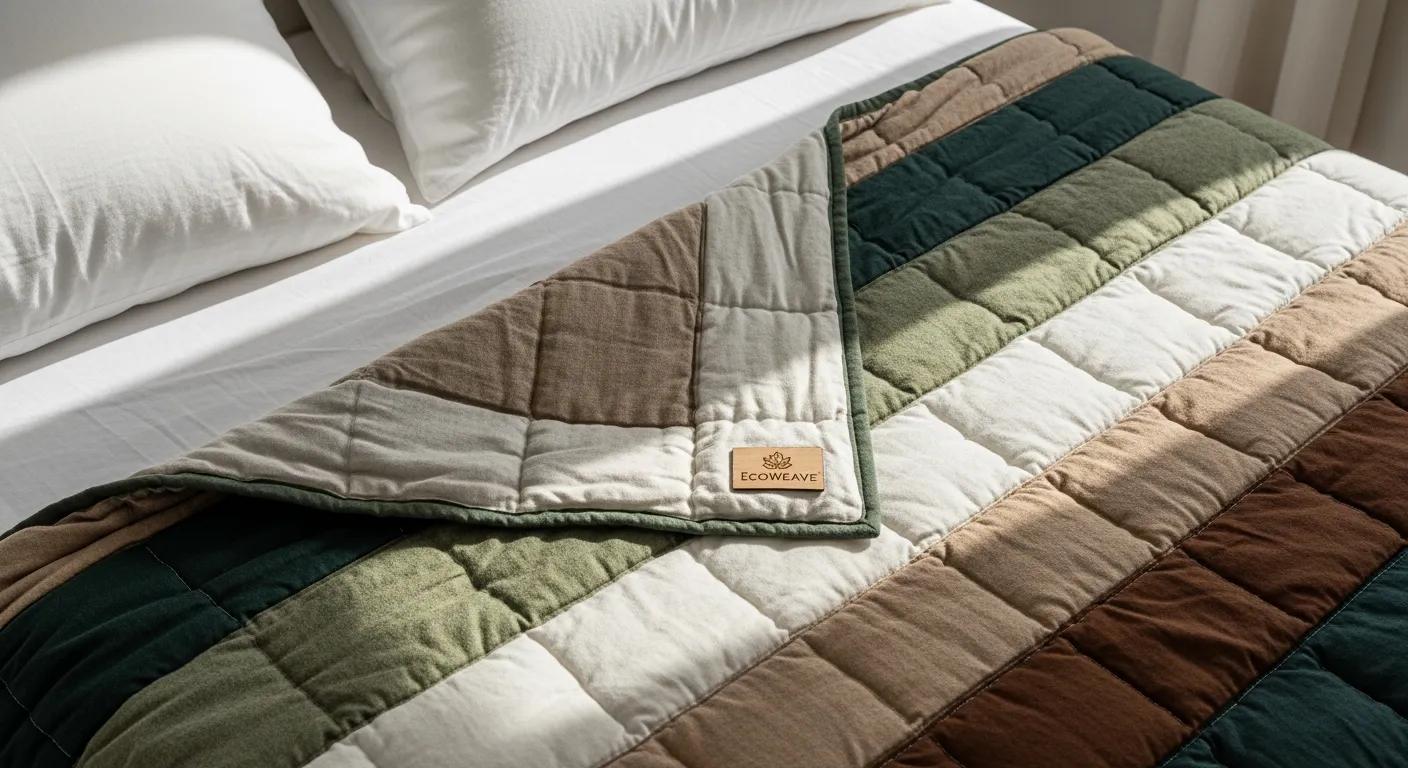
More of us are choosing products that look after both sleep and the planet. Eco-friendly weighted blankets — especially those made from organic or recycled fibres — pair comforting deep pressure with lower environmental impact. This guide explains why sustainable weighted blankets matter, how they can help with sleep and anxiety, which materials are best, and how to pick the one that fits your needs.
What Are the Key Benefits of Sustainable Weighted Blankets?
Sustainable weighted blankets do more than feel good — they combine sleep support with kinder material choices. Designed to deliver gentle deep pressure, they can ease anxiety, help you relax and improve sleep quality. Choosing organic or recycled fabrics also cuts the product’s environmental footprint, so you get comfort without compromise.
How Do Eco-Friendly Weighted Blankets Improve Sleep Quality and Anxiety Relief?
Weighted blankets work through deep pressure stimulation. Many users report falling asleep faster and waking less often after using a weighted blanket.
What Environmental Advantages Do Organic Weighted Blanket Materials Offer?
Blankets made from organic fibres like bamboo and organic cotton are soft, breathable and kinder to the environment. Bamboo grows quickly and uses less water than many crops, while organic cotton is produced without synthetic pesticides and fertilisers, supporting healthier soil and ecosystems. Choosing these materials helps reduce your environmental impact and supports more sustainable farming methods.
Which Organic Materials Are Used in Eco-Conscious Weighted Blankets?
Eco-conscious weighted blankets are usually made from a mix of organic and recycled materials chosen for comfort and sustainability. Knowing the differences between these fibres helps you pick a blanket that meets your comfort, allergy and environmental priorities.
Why Is Bamboo a Sustainable Choice for Weighted Blanket Covers?

Bamboo is a strong sustainability contender: it grows fast, needs little water and often requires no pesticides. Its natural breathability and moisture-wicking properties make it a comfortable choice for blankets, especially if you sleep warm. For eco-conscious sleepers, bamboo covers offer a soft, cooler feel with a relatively low environmental cost.
How Do Recycled Glass Beads and Organic Cotton Enhance Eco-Friendliness?

Many eco blankets use recycled glass beads as the inner weighting — a durable, low-waste option that keeps weight without relying on new raw materials. Paired with organic cotton covers, which avoid synthetic chemicals, you get a durable, hypoallergenic and more sustainable product overall. Together, these materials support a circular approach to manufacturing.
How Does Deep Pressure Stimulation in Weighted Blankets Promote Wellness?
Deep pressure stimulation (DPS) delivers gentle, steady pressure across the body — a calming input that weighted blankets replicate. That calming input provides a sense of security that helps many people sleep better.
What Is Deep Pressure Stimulation and Its Role in Anxiety and Stress Reduction?
DPS triggers the body’s relaxation response by engaging the parasympathetic nervous system. This can ease feelings of anxiety and help the mind settle. Results vary by person, but many find DPS an effective, drug-free way to manage everyday stress.
How Does This Therapy Improve Sleep and Mood Naturally?
The steady, comforting pressure from a weighted blanket can help you fall asleep more quickly and wake less often. Better sleep and reduced anxiety together tend to lift mood and daytime energy, making weighted blankets a helpful tool in many people’s wellness routines.
Why Choose Adorearth's Non-Toxic Weighted Blanket in the UK Market?
Adorearth builds its weighted blankets with non-toxic materials and careful sourcing so you don’t have to choose between comfort and sustainability. Our designs focus on safe, durable fabrics and fillings that perform well while keeping environmental impact low.
What Ethical Sourcing and Manufacturing Practices Does Adorearth Follow?
We prioritise certified organic materials and responsible sourcing wherever possible. Manufacturing partners follow environmental standards intended to reduce waste and energy use, and we look for transparency across the supply chain so customers can be confident about the choices they’re making.
How Do Customer Testimonials Reflect the Benefits of Adorearth's Eco-Conscious Weighted Blanket?
Customers often tell us they sleep more deeply and feel less anxious after switching to an Adorearth blanket. These stories — improved rest, calmer evenings and better daytime focus — are a frequent theme and reinforce why many people choose an eco-conscious option.
How to Select the Best Eco-Conscious Weighted Blanket for Your Needs?
Picking the right blanket is a balance of weight, size, breathability and material. Consider how you sleep, any sensitivities you have and whether you prefer natural, breathable covers — then match those needs with sustainable material choices and clear certifications.
What Factors Should You Consider When Choosing Sustainable Weighted Blanket Materials?
Look for organic covers (bamboo or organic cotton), recycled or low-impact fillings, and recognised certifications like GOTS or OEKO-TEX. These indicators show the product has been made with fewer harmful chemicals and better environmental practices.
How Do Durability, Breathability, and Hypoallergenic Properties Influence Your Choice?
Choose durable fabrics and well-constructed stitching to keep the blanket effective over time. Breathable materials prevent overheating, and hypoallergenic fibres help if you have sensitivities. Prioritising these qualities ensures comfort and longevity while staying true to sustainable principles.
What Are the Care and Maintenance Tips for Organic Weighted Blankets?
Looking after your organic weighted blanket keeps it performing and extends its life — which is good for both you and the planet.
How to Properly Clean and Preserve Bamboo and Organic Cotton Weighted Blankets?
Follow the manufacturer’s care label first. Generally, wash on a gentle cycle with cold water and a mild, eco-friendly detergent. Avoid bleach and fabric softeners, which can harm fibres. Air drying is usually best to preserve texture and shape.
What Are the Best Practices to Maintain Non-Toxic and Sustainable Bedding?
Store blankets in a cool, dry place to prevent mould, check seams and fillings periodically, and address any wear early. Regular, gentle cleaning and careful storage help your blanket last longer and reduce the need for replacements.
Frequently Asked Questions
What is the ideal weight for a weighted blanket?
The usual recommendation is 10%–15% of your body weight, which gives enough pressure without being too heavy. For children, aim for around 10% of their body weight (plus about 1 kg where advised). Personal comfort matters, so adjust as needed.
Can weighted blankets be used by everyone?
Weighted blankets help many people but aren’t suitable for everyone. If you have respiratory problems, sleep apnoea, certain medical conditions or severe claustrophobia, check with a healthcare professional first. They should not be used by infants or very young children.
How do I choose the right size for my weighted blanket?
Pick a size that covers your body comfortably without hanging excessively over the bed edges. Common UK guidelines: a 120 x 150 cm blanket works well for a single; 150 x 200 cm is a good fit for a double. Think about whether you’ll use it for sleeping or snuggling on the sofa when choosing.
Are there any specific care instructions for eco-friendly weighted blankets?
Eco-friendly blankets typically prefer a gentle wash with cold water and mild detergent. Avoid bleach and fabric softeners, and air dry where possible. Always follow the product’s care label for the best results.
What are the potential health benefits of using a weighted blanket?
People report better sleep, reduced anxiety and improved mood with regular use. Deep pressure stimulation can calm the nervous system. Responses vary, so monitor how you feel and adjust use accordingly.
How do I know if a weighted blanket is made from sustainable materials?
Check for certifications like GOTS or OEKO-TEX and clear material descriptions (organic cotton, bamboo, recycled glass beads). Brands committed to sustainability will usually explain sourcing and manufacturing on product pages — that transparency is a good sign.