
Weighted Blanket Care Guide — Keep Yours Cozy, Clean, and Long‑Lasting
Weighted blankets use deep touch pressure stimulation (DTPS) to help you relax and sleep better — but to keep that comforting weight and even feel, they need thoughtful care. This guide walks you through simple, effective steps to preserve even bead distribution, strong seams, and breathable fabric while cutting down on waste. You’ll get clear guidance on when to wash versus spot clean, safe machine settings, hand‑washing techniques, and drying tips for common materials like organic cotton, bamboo, and recycled glass beads. We also include quick checklists, step‑by‑step machine wash instructions, eco‑friendly stain fixes and comparison tables so you can act fast and protect your blanket’s performance and lifespan.
Why Proper Care Matters for Your Weighted Blanket
Thoughtful care keeps the blanket’s structure intact, preserves filling distribution and maintains the tactile comfort that creates DTPS benefits. Regular, appropriate maintenance prevents fabric abrasion, seam failure and bead clumping — all issues that can reduce pressure accuracy and sleep quality. Clean bedding also controls dust mites, oils and allergens that can irritate sensitive skin, so measured cleaning improves both comfort and hygiene. Below, we explain how care affects lifespan and give practical takeaways you can use tonight.
When you treat a weighted blanket with care, it’s less likely to be replaced early — which saves resources and reduces waste. At Adore Earth, we prioritise sustainable materials and machine‑washable designs for that reason: caring well for GOTS‑certified organic cotton or bamboo fabrics keeps them softer longer and lowers environmental impact. Simple choices — removable covers, gentle detergents and energy‑efficient wash cycles — extend useful life while cutting water and energy use. The sections that follow unpack how small care decisions add up and give step‑by‑step actions you can follow.
Weighted blankets need focused maintenance for both fabric and filling to work as intended. Read on to learn how friction, bead movement and stitching stress build over time and which small routines prevent those problems, then move into concrete instructions for washing, spot‑cleaning and drying.
How Care Affects Longevity and Performance
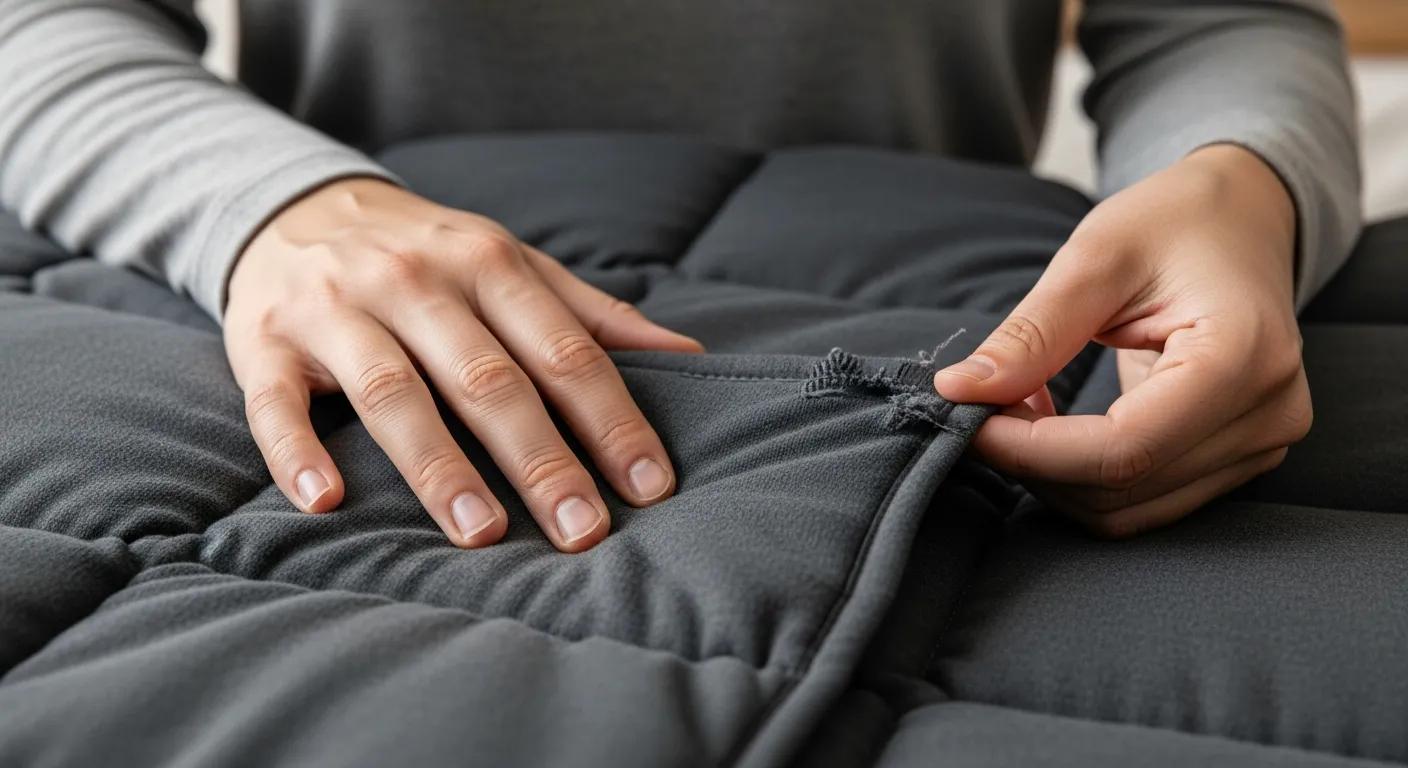
Repeated high‑heat washing and rough agitation accelerate fibre wear and weaken seams and channels. When channels weaken or the blanket is agitated too forcefully, beads can migrate and clump, leaving uneven weight and reducing the DTPS effect. Preventive steps — using a removable cover, repairing loose stitching quickly and choosing gentle wash cycles — limit mechanical stress and keep pressure mapping consistent across the blanket. Knowing these causes makes it easier to pick care routines that protect both comfort and therapeutic function.
Wear tends to show where stress concentrates, so regular inspections help you spot and fix small problems before they become irreparable. Simple repairs like reinforcing a seam or redistributing beads often restore evenness and add months or years of life. The next section ties these care choices to sustainability and energy‑saving tips that also protect your blanket.
The Role of Sustainability in Blanket Care
Extending a blanket’s life directly lowers raw material demand and landfill waste. Energy‑efficient washing — cold water and shorter cycles — reduces carbon and water footprints while being gentler on fibres. Choosing eco‑friendly detergents prevents harmful effluent, and breathable certified fabrics like GOTS organic cotton or bamboo viscose make air drying viable, cutting tumble‑dry energy use. These low‑impact habits align with sustainable consumption and keep your weighted blanket performing longer.
Small behaviour changes add up: wash covers more often than the insert, treat stains immediately, and use cold rinses to reduce lifetime environmental costs. The next section gives general care steps you can start using today to balance hygiene, performance and sustainability.
General Care Instructions for Weighted Blankets
Most weighted blankets follow the same basic rules: read the manufacturer’s label, protect the insert with a removable cover, spot‑clean stains quickly and only launder the whole blanket when necessary. These habits preserve fabric, prevent bead migration and help the blanket keep its therapeutic pressure profile. Below is a short, practical checklist you can use weekly, monthly and annually to keep your blanket fresh and functional.
Follow this checklist to balance cleanliness and longevity:
- Check the care label first: Always read the manufacturer’s instructions before cleaning.
- Use a removable cover: Wash the cover often so the insert needs laundering less.
- Spot clean minor stains immediately: Treat spills at once to avoid full washes.
- Wash only when necessary: Limit full washes to reduce fabric stress and protect the filling.
These simple steps reduce wear and make deep cleaning less frequent, which supports long‑term durability. Below you’ll find recommended wash frequencies based on usage and whether you use a cover.
| Care Step | Why It Matters | Recommended Action |
|---|---|---|
| Read label | Prevents incorrect cleaning | Follow the manufacturer’s symbols and guidance |
| Use cover | Reduces the washing frequency of the insert | Wash the cover every 1–2 weeks with nightly use |
| Spot treat | Avoids unnecessary full washes | Blot spills immediately and use mild cleaners |
| Limit full washes | Protects fabric and filling | Full wash 3–4× per year for occasional use; increase as needed |
This quick reference keeps hygiene and structure in balance. Next, we’ll cover how often to wash depending on typical use cases.
How Often to Wash Your Weighted Blanket
Washing frequency depends on nightly use, whether you use a cover, pets, illness, and allergies. With nightly use and a washable cover, a full wash is usually needed every 6–12 weeks; occasional users may only need 3–4 full washes a year. If pets share the blanket, someone is sick, or spills happen, increase washing and spot‑treat between full cleans. These ranges help you stay hygienic without over‑washing.
Protective habits — a mattress protector, sleep‑only clothing and keeping pets off the blanket — can stretch the time between full washes. The next section explains why a duvet cover is your best first defence and gives a quick spot‑clean routine you can use right away.
Why Use a Duvet Cover and Spot‑Clean Minor Stains?
A removable duvet cover is the easiest way to protect the insert from oils, sweat and stains — and it’s much simpler to launder. Pick breathable fabrics like organic cotton or bamboo that stand up to frequent washing and keep the inner blanket fresh. For spot cleaning, blot liquids with a clean towel, apply a diluted mild detergent or natural stain mix, then rinse and air dry; always test on a hidden area first. Using a cover plus prompt spot cleaning reduces how often you need to wash the whole blanket and helps maintain even filling and fabric finish.
Covers also reduce stress on channel stitching by cutting down full machine cycles for the insert. With those protections in place, the next section shows how to machine‑wash your weighted blanket safely when a full wash is necessary.
| Instruction | Frequency | Quick Tip |
|---|---|---|
| Wash the removable cover | Every 1–2 weeks (nightly use) | Gentle cycle, cold water |
| Full blanket wash (nightly use) | Every 6–12 weeks | Check the washer drum capacity first |
| Spot clean | As needed | Blot, use diluted mild detergent, rinse |
| Inspect seams | Monthly | Repair small issues early |
Use this schedule to plan maintenance with minimal environmental impact. Below are safe machine‑washing steps, settings and detergent tips.
How to Machine Wash Your Weighted Blanket Safely
Many weighted blankets are machine‑washable, but they need careful prep, the right machine capacity and gentle settings to avoid damage. Check the care label and the washer drum size first — heavy blankets often need a commercial machine with enough space to avoid stressing the motor and seams. Use cold water, a gentle cycle and a mild eco detergent to protect fibres and avoid residue. Avoid bleach and fabric softener, which can weaken fabric and bindings. The checklist and table below outline the preparation and recommended settings.
Prepare the blanket and washer before starting the cycle:
- Inspect seams and channels: Repair loose threads or small holes to prevent bead loss.
- Remove covers and secure closures: Empty pockets and zip up to reduce abrasion.
- Pre‑treat stains: Gently treat spots with a mild detergent solution.
- Check machine capacity: Use a large drum or a commercial washer for heavy blankets.
These steps lower the risk of bead migration and uneven wear and set you up to use the machine settings described next.
| Machine Setting | Why It Matters | Recommended Option |
|---|---|---|
| Water temperature | Protects fibres and any adhesives | Cold or cool water |
| Cycle type | Limits agitation | Gentle/delicate cycle |
| Detergent | Prevents residue and irritation | Mild, bleach‑free, eco detergent |
| Load size | Avoids machine strain | Use an oversized drum or commercial washer |
The table above clarifies settings that protect fabric and filling. The next subsection details the prep actions in a few more steps.
Preparation Steps Before Machine Washing
First, read the care label to confirm machine washing is allowed — some fabrics or constructions recommend hand washing or professional cleaning. Inspect channels and seams and sew any loose areas to prevent bead loss during agitation. Remove covers and fasten zips or ties. Pre‑treat stains gently using a diluted mild detergent, working from the outside toward the centre to avoid spreading. Finally, make sure the washer drum is big enough for the blanket to move freely; if in doubt, choose a commercial machine or hand-wash to reduce damage risk.
Checking these items prevents common machine‑wash mishaps and lowers the chance of needing repairs later. The next section explains which settings and detergents best preserve materials while cleaning effectively.
Best Washing Settings and Detergents
Cold water and a gentle cycle minimise shrinkage and mechanical stress while still removing oils and sweat from natural fibres — a safe default for most blankets. Use a mild, eco‑friendly detergent that’s bleach‑free and low‑residue to protect fabric finishes and avoid skin irritation; measure it carefully to prevent deposits in channels. Avoid fabric softeners and strong enzyme stain removers that can damage fibres or adhesives. If residue is a concern, use a short extra rinse. These choices help maintain fibre strength and bead stability while getting your blanket clean.
| Setting | Purpose | Practical Tip |
|---|---|---|
| Cold water | Prevent shrinkage | Pair with an eco detergent for cleaning power |
| Gentle/delicate | Reduce agitation | Use a short spin to remove excess water |
| Mild detergent | Protect fibres | Measure carefully to avoid residue |
| No fabric softener | Preserve absorbency | Use a white vinegar rinse if you need softness |
This quick guide helps you choose the safest machine settings. The next major section covers hand washing and spot cleaning for delicate fabrics or oversized blankets.
Hand Washing and Spot Cleaning: Gentle Methods That Work
Hand washing is the safest option for delicate fabrics, heavy fills or when your washer isn’t large enough. It gives you control over agitation and temperature to protect stitching and bead channels. Use a bathtub or big basin, dissolve a mild detergent in cold water, submerge the blanket gently and move it with slow, even motions to limit bead migration. Rinse thoroughly, drain, and remove water without wringing — press sections gently and roll in towels to absorb moisture. Below is a list of supplies and simple natural stain recipes to help you clean effectively and carefully.
Essential supplies for hand washing and spot cleaning include:
- Large bathtub or basin: Room to move the blanket gently.
- Mild eco detergent: Protects fibres and won’t leave residue.
- Soft brushes or cloths: For spot treatment without abrasion.
- Clean towels and a flat drying surface: For safe water extraction and even air drying.
Having the right supplies lowers the risk of damage and makes the process straightforward. The next subsection gives step‑by‑step bathtub instructions to keep beads secure and fabric safe.
Best Way to Hand-Wash in a Bathtub or Basin
Fill the tub with cold water and dissolve a measured amount of mild detergent. Lay the blanket flat and press it gently under the surface so it saturates evenly. Use slow, controlled motions — avoid vigorous scrubbing — to loosen soils; focus on stains with light dabbing rather than rubbing. Drain and refill with clean water, repeating until no soap foam remains. Remove excess water by rolling the blanket inside towels and applying gentle pressure. Transfer the blanket to a flat, supportive drying surface to air dry evenly and prevent bead migration while it sets.
This careful approach helps prevent clumping and keeps channels intact. The following subsection lists eco‑friendly stain solutions and simple usage ratios for targeted spot treatment.
Eco‑Friendly Stain Removal Techniques That Work
Gentle, natural cleaners like baking soda paste, a dilute white vinegar solution or mild soap can handle most stains without harsh chemicals — always spot‑test first. For oil stains, sprinkle baking soda to absorb oil for 30–60 minutes, brush away and then treat with mild detergent. For protein stains, use cold water and an enzyme‑free soap. A vinegar rinse (1 part white vinegar to 4 parts water) neutralises odours and removes light residues, but avoid it on sensitive dyes or finishes. If a stain won’t budge after gentle attempts, seek professional cleaning rather than using aggressive household chemicals.
Using mild, tested recipes preserves fibres and supports the sustainable care practices we recommend. With cleaning complete, correct drying prevents structural damage — the next section explains best practices for drying weighted blankets.
Best Practices for Drying Your Weighted Blanket
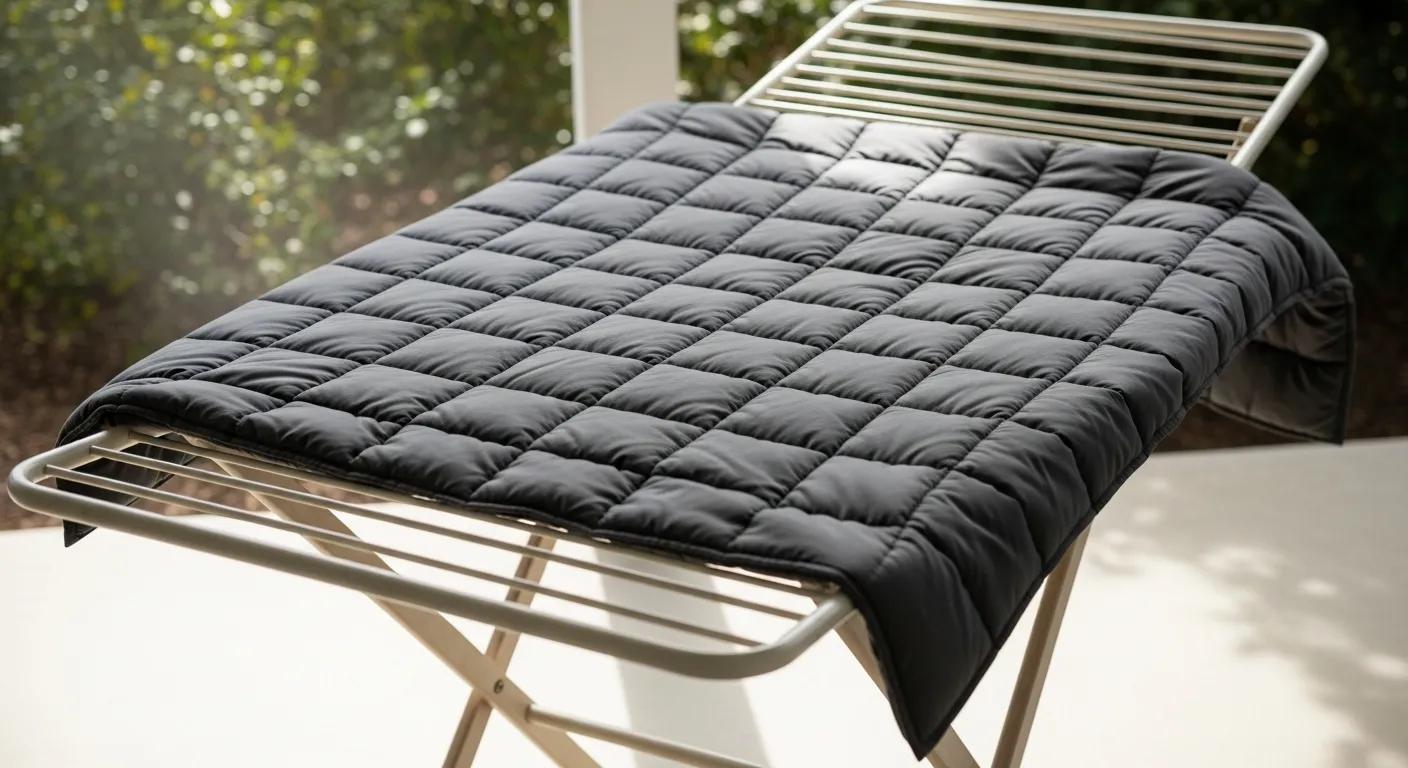
How you dry your blanket affects bead integrity and fabric shape. Air drying flat is usually safest; low‑heat tumble drying can be acceptable when the care label allows. Support the blanket on a flat surface to prevent stretching, rotate it occasionally for even airflow and avoid long exposure to direct sunlight on dyed fabrics. If tumble drying is permitted, use low heat, short cycles and check frequently to prevent overheating adhesives or shrinking natural fibres. The dos and don’ts and short checklist below will help you pick the safest drying method.
Key drying dos and don’ts:
- Air dry flat on a supportive surface to avoid channel distortion and stretching.
- Do rotate and reshape as it dries to maintain even bead distribution.
- Don’t use high heat — it can damage adhesives and cause shrinkage.
- Don’t wring or twist; press water out gently with towels.
Following these tips prevents bead clumping and fabric stress, so your blanket keeps its therapeutic feel. The next subsection explains flat air‑drying in a little more detail.
Air drying flat on a clean, supportive surface distributes weight evenly and avoids the stretch that hanging heavy textiles can cause. Lay the blanket on a bed, large table or clean tarp and periodically reposition it to expose different areas to air. Avoid intense direct sunlight on coloured fabrics to protect dye and fibre strength; choose a shaded, well‑ventilated spot when possible. Allow plenty of drying time and make sure channels are completely dry before storing to prevent mildew and keep beads stable for next use.
Air drying saves energy and is the gentlest option for natural fibres like GOTS‑certified cotton and bamboo viscose. The next subsection explains when low‑heat tumble drying is appropriate and how to do it safely.
When Low‑Heat Tumble Drying Is Appropriate
Only tumble dry if the care label explicitly allows it and your dryer has enough space to tumble the blanket without crushing it. Use low heat, short cycles and remove the blanket as soon as it’s dry to reduce thermal stress on fabric and any adhesives. Adding clean tennis balls or dryer balls can help redistribute filling, but only if the label permits. Watch the dryer closely and stop it at the first sign of overheating, melting smells or stiffness. If you’re unsure, air dry or use a professional drying service to avoid irreversible damage.
These precautions keep convenience from costing you longevity. After drying guidance, the next section compares material‑specific care so you can fine‑tune cleaning by fabric and fill.
Caring for Specific Materials
Material‑specific care adjusts temperature, detergent choice and drying to protect fibres and filling. Organic cotton and bamboo prefer cooler water and gentler handling to keep breathability and certification integrity, while recycled glass beads are dimensionally stable but still need gentle agitation to avoid migration. The table below summarises recommended settings and cautions by material for quick reference. Below the table are brief notes for organic cotton, bamboo and recycled glass bead inserts with practical tips.
| Material | Recommended Water Temp | Detergent & Drying | Cautions |
|---|---|---|---|
| Organic cotton | Cold/cool | Mild eco detergent; air dry preferred | Avoid high heat to prevent shrinkage |
| Bamboo/viscose | Cold | Gentle detergent; air dry in shade | Avoid bleach and high spin cycles |
| Recycled glass beads | Cold/cool | Mild detergent; low‑heat tumble only if allowed | Prevent rough agitation to avoid bead migration |
| Minky / polyester | Cool | Mild detergent; low tumble possible | Avoid high heat to prevent melting or damage |
This comparison helps you pick safe cleaning settings quickly and avoid costly mistakes. The sections below offer focused guidance for organic cotton and bamboo, and for recycled glass bead inserts, plus a gentle product reference where relevant.
Care Guidelines for Organic Cotton and Bamboo
Organic cotton and bamboo‑based blankets do best with cold or cool washes that protect fibre strength and breathability. Use a mild, eco‑certified detergent and prefer air drying; only tumble dry on low heat if the care label allows. Avoid bleach and harsh stain removers that can harm fibres and certifications. These materials respond well to minimal agitation, so choose the gentlest cycle and rotate the blanket while drying to keep bead distribution even and prevent creasing. For eco‑minded owners, choosing GOTS‑certified organic cotton or bamboo viscose makes maintenance straightforward and sustainable.
Choosing certified natural materials and following gentle care keeps the fabric soft and extends the blanket’s useful life. Below, we cover how to care for blankets filled with recycled glass beads.
How to Handle Weighted Blankets with Recycled Glass Beads
Recycled glass beads are dimensionally stable and don’t compress, but they can move if channels are compromised or the blanket is over‑agitated. Use gentle wash cycles and support surfaces during drying to limit bead migration. Inspect channel stitching regularly for stress and repair small issues early to prevent bead loss. Avoid high heat that can affect adhesives or finishes around channels. Many premium blankets pair recycled glass beads with machine‑washable designs for practical, lower‑impact care — following the guidance above preserves both performance and sustainability.
Choosing durable, washable constructions with recycled glass bead filling supports a lower‑impact lifecycle while keeping DTPS benefits intact. We hope this guide helps you keep your weighted blanket durable, hygienic, and comfortable for years to come. Explore our range of high-quality weighted blankets and accessories designed for lasting comfort and ease of care.
Frequently Asked Questions
Can I use fabric softeners when washing my weighted blanket?
No, we don’t recommend fabric softeners. They can leave a residue that reduces absorbency and breathability, which may change how the fabric feels and performs. Instead, use a mild, eco‑friendly detergent designed for delicates. If you want added softness, a white vinegar rinse (small amount, diluted) is a gentler option.
How can I prevent my weighted blanket from developing odours?
Prevent odours by following the manufacturer’s washing guidance and using a removable cover that you wash more frequently. Air the blanket out in a ventilated space between uses. If smells persist, a wash with a diluted vinegar rinse (1 part white vinegar to 4 parts water) can neutralise odours without damaging the fabric — always test first on a hidden spot.
What should I do if my weighted blanket has a tear or loose stitching?
Address tears and loose stitching promptly. Small rips can usually be sewn closed with a needle and thread; reinforce loose seams to stop beads escaping. If you’re not confident doing repairs yourself, a local tailor or upholstery repair shop can mend it. Regular inspections help you catch issues early and extend the blanket’s life.
Is it safe to dry my weighted blanket in a dryer?
Only tumble dry if the care label explicitly allows it. If permitted, use low heat and short cycles, and check often to avoid overheating. For most blankets, air drying flat is the safest choice — it prevents distortion, stretch and bead migration. Always lay the blanket flat on a supportive surface while drying.
How do I choose the right detergent for my weighted blanket?
Pick a mild, eco‑friendly detergent that’s bleach‑free and low‑residue. Detergents made for delicates are a good fit because they’re gentler on fibres and less likely to leave deposits in channels. Measure detergent as recommended so nothing builds up inside the blanket.
Can I wash my weighted blanket with other laundry items?
We recommend washing the blanket by itself, especially if it’s heavy or bulky. Washing it alone prevents strain on your machine and gives the blanket room to move during the cycle. If you must combine loads, choose items of similar weight and fabric type and use a gentle setting — but solo washes are safest.
What are the signs that my weighted blanket needs to be replaced?
Look for visible wear like frayed edges, thinning fabric, or broken seams. If the filling is clumped or shifted so the weight is uneven, or if the blanket has persistent odours that won’t come out, those are signs it may be time to replace it. Loss of the blanket’s therapeutic feel is another key indicator.