Organic Bamboo Quilt Cover Australia: Sustainable Style for Your Bedroom
In an era where sustainability is paramount, organic bamboo quilt covers have become a stylish and eco-friendly choice for bedding. These covers not only enhance the look of your bedroom but also support a healthier planet. This article explores the many benefits of organic bamboo quilt covers, including their comfort, hypoallergenic qualities, and positive environmental impact. You’ll discover how these covers can improve your sleeping experience while promoting sustainable living. We’ll also cover what to look for when choosing bamboo quilt covers, the importance of organic certification, and tips on caring for these products to keep them lasting longer. Plus, we’ll explain why more Australians are choosing organic bamboo bedding.
For a wide selection of eco-friendly bedding options, consider exploring Adorearth's collection, which offers sustainable choices for your home.
What Are the Key Benefits of Organic Bamboo Quilt Covers?
Organic bamboo quilt covers offer a range of benefits that make them a great choice for anyone looking for sustainable bedding. They are known for their breathability, hypoallergenic nature, and eco-friendliness, making them suitable for many sleepers.
How Does Bamboo Fabric Enhance Breathability and Comfort?
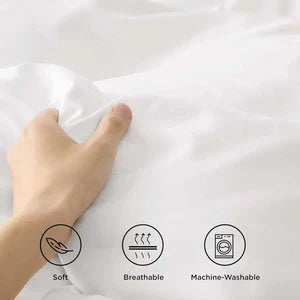
Bamboo fabric is well-known for its breathability, thanks to its natural moisture-wicking properties. This means bamboo quilt covers can draw moisture away from your body, keeping you cool and comfortable all night. The unique structure of bamboo fibres allows for better airflow, adding to the comfort. Bamboo’s temperature-regulating qualities help you stay warm in winter and cool in summer, making it a versatile option for year-round use.
Why Are Bamboo Quilt Covers Hypoallergenic and eco-friendly?
Bamboo quilt covers are naturally hypoallergenic, which makes them a great option for people with allergies or sensitive skin. The fibres resist dust mites and other allergens, creating a cleaner sleeping environment. Bamboo is also biodegradable and generally requires fewer chemicals during growing compared to conventional cotton, making it a more eco-friendly option. This combination of hypoallergenic benefits and environmental friendliness makes bamboo quilt covers a responsible choice for those who care about the planet.
How Does Organic Certification Ensure Sustainable Bedding Quality?
Organic certification is important for ensuring the quality and sustainability of bamboo quilt covers. It means the materials are free from harmful chemicals and that the production process follows strict environmental standards.
What Organic Certifications Apply to Bamboo Quilt Covers in Australia?
In Australia, certifications like USDA Organic and the Global Organic Textile Standard (GOTS) apply to bamboo quilt covers. These certifications confirm that the bamboo is grown without synthetic pesticides or fertilisers, supporting a healthier environment. Choosing brands with these certifications gives you confidence in the sustainability of your bedding.
How Do Certifications Reflect Environmental Responsibility?
Certifications such as GOTS show a commitment to environmental responsibility beyond just organic farming. They ensure the entire supply chain, from growing to manufacturing, reduces harmful environmental impacts. By selecting certified organic bamboo quilt covers, you’re supporting sustainable farming and helping to reduce chemical use in textiles.
What Features Should You Consider When Choosing Bamboo Quilt Covers?
When picking bamboo quilt covers, consider key features like where the bamboo comes from, fabric quality, and durability to make a well-informed choice.
How Do Material Origin and Fabric Quality Impact Durability?
The source of the bamboo and the quality of the fabric greatly affect how long your quilt cover will last. Bamboo from sustainable farms tends to produce stronger fibres, resulting in more durable products. The way the fabric is processed also influences its strength and resilience. Choosing covers made from 100% organic bamboo means you’re investing in a product that can stand up to regular use.
What Are the Advantages of Bamboo Duvet Covers Compared to Cotton?
Bamboo duvet covers have several advantages over traditional cotton ones. Bamboo is more sustainable, needing less water and fewer pesticides to grow. Its fibres are softer and more breathable than cotton, offering greater comfort. Bamboo’s natural resistance to mould and mildew also helps keep your sleeping environment cleaner and healthier.
How Should You Care for Your Organic Bamboo Quilt Cover?
Taking good care of your organic bamboo quilt cover is key to keeping it soft and durable. Following simple cleaning and maintenance tips will help it last longer.
What Are the Recommended Cleaning and Maintenance Practices?
Wash your bamboo quilt cover in cold water on a gentle cycle. Avoid bleach and fabric softeners, as they can harm the fibres. Use a mild detergent to keep the fabric in good condition. Air drying is best, but if you use a dryer, choose a low heat setting to avoid shrinkage.
How Does Proper Care Extend the Life of Bamboo Bedding?
Proper care helps your bamboo bedding last much longer. By following washing instructions and steering clear of harsh chemicals, you reduce wear and tear. Regular maintenance keeps your quilt cover looking fresh and performing well, so you can enjoy its benefits for years.
What Is the Environmental Impact of Choosing Bamboo Bedding in Australia?
Choosing bamboo bedding positively impacts the environment, especially in Australia, where water conservation and sustainable practices are increasingly important.
There’s a growing movement towards sustainability in bedding, with efforts to improve supply chains and encourage responsible consumption across the country.
How Does Bamboo Cultivation Save Water Compared to Cotton?
Bamboo is much more water-efficient than cotton. While cotton can use up to 10,000 litres of water per kilogram, bamboo needs only about 1,500 litres. This big difference shows how bamboo supports sustainable farming and helps conserve valuable water resources.
What Are the Carbon Footprint Benefits of Bamboo Textiles?
Bamboo textiles also have a smaller carbon footprint than traditional cotton. Bamboo grows quickly, allowing for faster harvesting and less land use, which lowers greenhouse gas emissions from farming. Choosing bamboo bedding means supporting practices that help reduce climate change and protect the environment.
Why Do Customers Prefer Organic Bamboo Quilt Covers for Sustainable Bedrooms?
More Australians are choosing organic bamboo quilt covers because of their comfort, sustainability, and quality.
What Do Australian Customers Say About Bamboo Bedding Comfort and Quality?
Many Australian customers praise bamboo bedding for its softness and quality. They often find bamboo fabric softer than cotton, offering a luxurious sleep experience. The breathability and moisture-wicking features also help create a more comfortable night’s rest, making bamboo a popular bedding choice.
How Do Case Studies Demonstrate Satisfaction and Sustainability?
Many customers share positive experiences with bamboo bedding, highlighting its comfort and eco-friendly benefits. For example, families with allergies have noticed better sleep after switching to bamboo quilt covers. These stories show how bamboo bedding combines comfort with sustainability, making it a favourite in Australian homes. Explore more about organic bamboo bedding and see how it could work for you.