



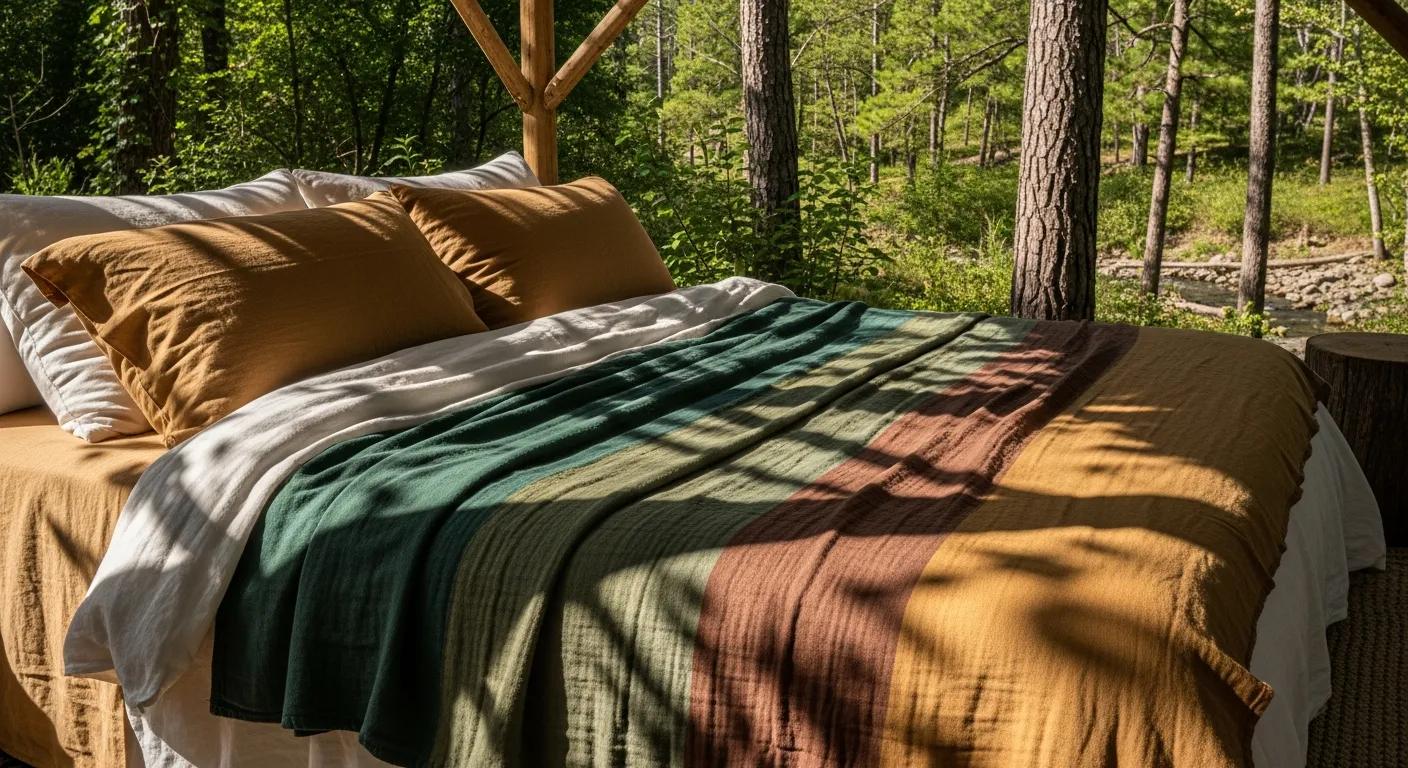
Weighted blankets made from sustainable materials are becoming a go-to for people who want better sleep and lower anxiety — without compromising the planet. This guide walks you through what matters most: the best materials, the certifications to trust, how to pick the right weight and size, and simple care tips to keep your blanket lasting longer. We’ll also explain why Adorearth’s range is a good fit for Australians who want comfort that’s kind to both skin and soil.
Why pick an eco-friendly weighted blanket for better sleep and to ease anxiety?
Eco-friendly weighted blankets work by using deep touch pressure — a gentle, evenly distributed weight that feels like a hug. That pressure helps the body relax, which can reduce anxiety and improve sleep. Choosing organic and non-toxic fabrics adds another layer of benefit: fewer chemicals, fewer allergens, and a gentler option for sensitive skin.
Deep touch pressure has consistently shown calming effects, which is the core idea behind weighted blankets.
How does deep touch pressure stimulation help you relax and sleep?
Deep touch pressure stimulation (often shortened to DTP) soothes the nervous system by activating the parasympathetic response — the “rest and digest” side of your nervous system. That can lower cortisol (the stress hormone) and support the release of serotonin and melatonin, which help mood and sleep cycles. Many people report falling asleep faster and waking less during the night when they use a weighted blanket.
Many find that steady, firm pressure is perceived as pleasant and calming.
What health benefits come from organic weighted blankets?
Organic weighted blankets reduce exposure to synthetic chemicals and are less likely to harbour irritants like pesticide residues. Many organic fabrics are also breathable, which helps regulate temperature overnight. Taken together, these features can support better sleep, lower nighttime anxiety and a more comfortable, healthier night’s rest.
Which sustainable materials make weighted blankets genuinely eco-friendly?
How green a weighted blanket is depends on what it’s made from. Look for responsibly sourced fabrics like organic cotton and bamboo, plus fillings such as glass beads — each material brings different sustainability and comfort advantages.
Why do Australians often prefer bamboo for weighted blankets?

Bamboo grows quickly and needs less water and fewer inputs than many other crops, which makes it a strong sustainability choice. Bamboo fibres are naturally hypoallergenic and wick moisture well, so they stay cool and comfortable through the night — a handy feature in Australia’s varied climates. Overall, bamboo offers softness, breathability and a lower environmental footprint than conventional options.
How do organic cotton and glass beads support safety and sustainability?

Organic cotton is grown without synthetic pesticides or artificial fertilisers, so it’s kinder to soil and waterways and gentler on the skin. Glass beads — commonly used as the weighting element — are a safe, non-toxic alternative to plastic pellets; they’re hypoallergenic and won’t off-gas. Together, these materials give you a safe, breathable and long-lasting blanket.
| Material | Sustainability Aspect | Safety Feature |
|---|---|---|
| Bamboo | Fast growth, low inputs | Hypoallergenic |
| Organic Cotton | Grown without synthetic chemicals | Soft and breathable |
| Glass Beads | Non-plastic, durable | Non-toxic and hypoallergenic |
Which certifications and standards show that a blanket is non-toxic?
Certifications help you separate genuine eco-friendly products from greenwashed claims. Look for recognised labels — for example, OEKO-TEX Standard 100 — that test textiles for harmful substances and provide independent verification.
What does OEKO-TEX Standard 100 mean for bedding?
OEKO-TEX Standard 100 confirms textiles have been tested for a list of harmful chemicals and are considered safe for human use. For bedding, that means less risk of exposure to residues and a clearer signal that the product meets established safety standards — helpful when you’re choosing something you’ll sleep under every night.
Independent certifications like OEKO-TEX help buyers trust product safety and sustainability claims.
How to spot genuine sustainable certifications
Check the product label first — reputable certifications are shown clearly on packaging and product pages. Visit the certifier’s site to verify the licence number if one’s provided, and read the manufacturer’s sustainability info for supply-chain transparency. If details are vague or missing, ask the seller for documentation before you buy.
How to choose the right weight and size for your eco-friendly weighted blanket
Picking the correct weight and size is key to comfort and effectiveness. A good rule of thumb is to choose a blanket that’s about 10% of your body weight and sized to cover you comfortably without bunching.
What is the 10 per cent body-weight rule for weighted blankets?
The 10 per cent guideline means a blanket should weigh roughly 10% of the user’s body weight. For example, someone who weighs 70 kg would usually start with a 7 kg blanket. That weight gives steady pressure without feeling restrictive — but personal preference matters, so you can adjust up or down slightly.
Are eco-friendly weighted blankets suitable for children and adults?
Yes — when chosen carefully. For children, stick to lighter weights and follow the 10% rule closely; always check age and safety guidance and consult a health professional if you’re unsure. Adults can select heavier options based on body weight and comfort needs. If there are underlying health concerns, ask a clinician before using a weighted blanket.
How to care for and keep your sustainable weighted blanket in great condition
Proper care preserves both the blanket and its eco credentials. Follow the manufacturer’s instructions, use gentle detergents, and avoid harsh chemicals that can damage fibres and finishes.
Washing tips for bamboo and organic cotton weighted blankets
Use a gentle machine cycle with cold water and a mild detergent. Don’t use bleach or strong fabric softeners — they can break down fibres and reduce breathability. Lay flat or line-dry where possible; if you must tumble-dry, choose a low-heat setting to avoid shrinkage.
How proper maintenance boosts durability and sustainability
Regular, careful maintenance helps your blanket last longer, which reduces waste and the need to replace it. Store blankets in a cool, dry place, spot-clean stains promptly, and repair small tears rather than replacing the whole item. A well-cared-for blanket retains its comfort and eco benefits for years.
Why choose Adorearth’s eco-friendly weighted blankets in Australia?
Adorearth combines sustainability with everyday comfort. Our blankets use responsibly sourced fabrics and safe fillings, and we focus on designs that work well in Australian homes — breathable, durable and ethically made.
What makes Adorearth’s weighted blankets different?
We choose premium bamboo and certified organic cotton, paired with eco-friendly glass beads for weight. That mix gives softness, breathability and a non-toxic fill. Our designs are simple and modern, so they suit a range of bedrooms while staying functional and long-lasting.
How Adorearth supports Australian customers with shipping and product quality
We offer fast shipping across Australia and are committed to the quality of our products. If something isn’t right, our customer service team will work with you to make it right — because buying sustainable bedding should be simple and reliable.
Frequently Asked Questions
Can eco-friendly weighted blankets help with insomnia?
Yes, many people find weighted blankets helpful for sleep. The deep touch pressure they provide can calm the nervous system, lower anxiety and make it easier to fall asleep and stay asleep. If you have chronic insomnia, it’s best to speak with a healthcare professional for tailored advice.
What is the lifespan of an eco-friendly weighted blanket?
Lifespan depends on materials and care. High-quality bamboo or organic cotton blankets can last several years if you follow the care instructions and avoid harsh chemicals. Choosing a well-made product and looking after it will get you the most value and reduce environmental impact.
Are there any safety concerns using weighted blankets around pets?
Weighted blankets are generally safe around pets, but take care: the blanket should not be so heavy that a pet feels restricted. Pets may also chew or scratch, which can damage the fabric. Supervise pets around blankets and choose a durable cover if your pet spends time on the bed.
How do I choose the right size of a weighted blanket for my bed?
Pick a blanket that covers your body comfortably without excessive overhang — for single beds, a smaller blanket that fits the mattress is fine; for queen or king beds, you may prefer a larger size that drapes the sides. Also consider weight distribution: a blanket that’s too small won’t give consistent pressure.
Can I use a weighted blanket during hot weather?
Yes — choose breathable fabrics like bamboo or organic cotton and consider a lighter-weight option for warmer months. These materials wick moisture and help regulate temperature so you can still enjoy the calming pressure without overheating.
What should I do if my weighted blanket is too heavy?
If it feels too heavy, try a lighter-weight blanket. The 10% body-weight guideline is a helpful starting point, but personal comfort is key. Switching to a lighter weight can still provide calming benefits without feeling restrictive — always listen to your body and adjust as needed.