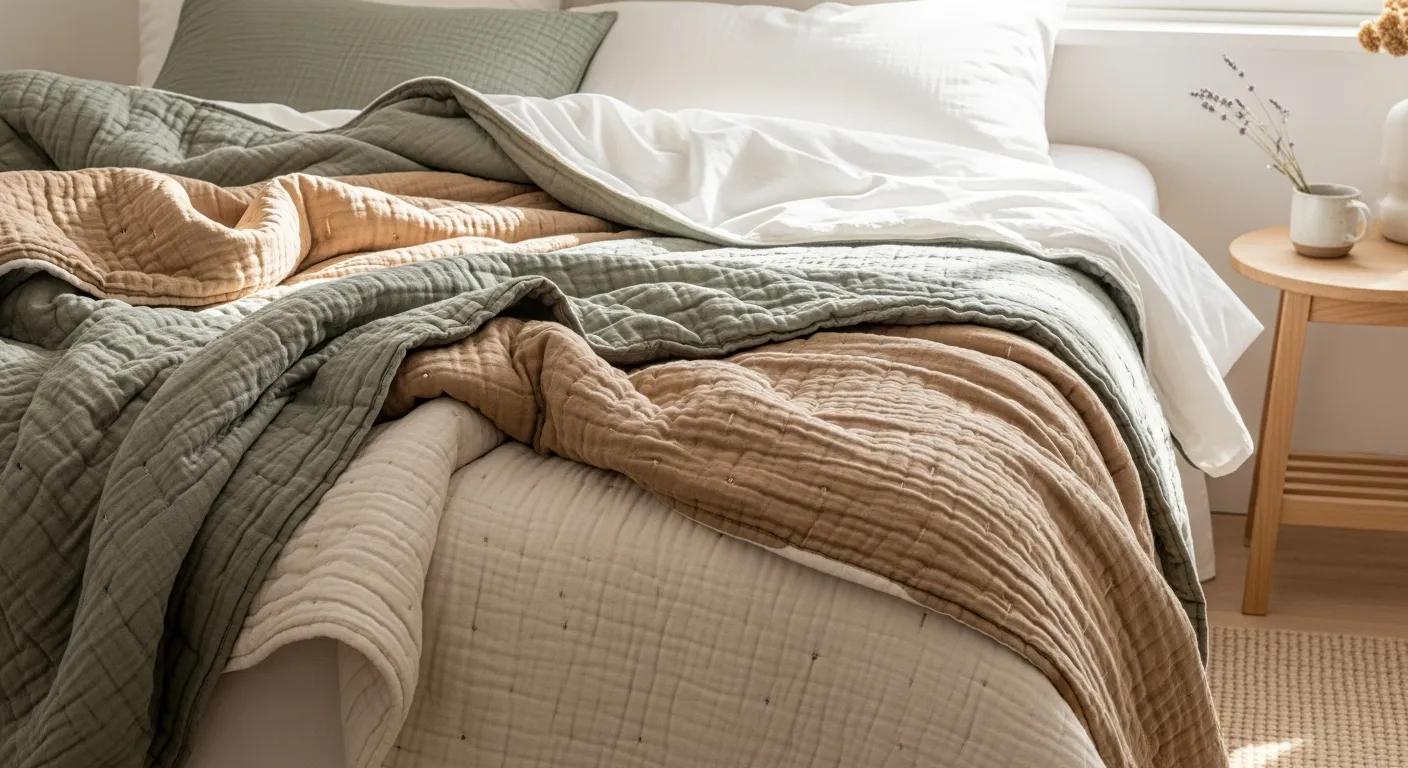
An eco-friendly cotton quilt does more than keep you warm — it quietly lifts the look and feel of a room while supporting better textile practices. Here, we'll explore why organic cotton quilts are a smart choice for people who care about comfort, health and the planet. If you’ve ever wanted bedding that reflects your values without sacrificing softness or style, these quilts bridge that gap. Read on for clear, practical details about organic cotton’s environmental benefits, the ways quilts can elevate décor, health advantages, and simple styling and care tips to make your quilt last.
What Makes Organic Cotton Quilts a Sustainable Choice for Your Home?

Organic cotton quilts earn their sustainability credentials through cleaner farming and gentler processing. Unlike conventional cotton, organic cotton is grown without synthetic pesticides or chemical fertilisers, which helps protect soil health and local ecosystems. These farming choices can also reduce irrigation needs and often yield a softer, longer-lasting fabric. When production follows recognised standards and certifications, it helps ensure the supply chain respects both people and place.
How Does Organic Cotton Support Eco-Friendly Bedding?
Organic cotton supports eco-friendly bedding by cutting out many of the harmful chemicals used in conventional farming. That means less contamination of soil and waterways, and fewer health risks for farm communities. The farming practices that favour organic cotton—crop rotation, reduced chemical inputs and attention to soil health—also help maintain biodiversity. For you, that translates into a natural fibre quilt that feels fresh, breathable and often gentler on sensitive skin.
Which Certifications Ensure Ethical and Sustainable Cotton Production?
Certifications make it easier to choose with confidence. The Global Organic Textile Standard (GOTS) is widely regarded as the benchmark for organic textiles, covering environmental and social criteria across the supply chain. OEKO‑TEX Standard 100 checks textiles for harmful substances but doesn’t certify organic production. Other voluntary standards—like the Better Cotton Initiative and Fairtrade—focus on different parts of the chain. Reading labels and knowing what each certification covers helps you pick products that align with your priorities.
How Can Eco-Friendly Cotton Quilts Enhance Your Home Decor Aesthetics?
Eco-friendly cotton quilts are surprisingly versatile style pieces. Their natural textures and breathable weave add warmth and a layered look that complements everything from pared-back modern rooms to cozy, collected spaces. Choose colours, prints or stitch patterns that echo your room’s palette to create a polished, effortless effect. Because they come in so many finishes, quilts are a simple way to switch a room’s mood without a full overhaul.
What Colour Palettes and Patterns Complement Sustainable Cotton Quilts?
Pick tones that sit comfortably with your existing furniture and finishes. Soft neutrals—creams, warm beiges and muted greens—bring calm, while richer hues or graphic patterns can act as a focal point. Nature-inspired prints and textured stitches work particularly well with organic cotton, offering depth without overpowering a space. Try layering a patterned quilt over a plain duvet or mixing subtle textures for a curated, lived-in look.
How to Integrate Organic Cotton Quilts into Various Interior Design Styles?
Quilts adapt easily across styles. In a modern room, use a quilt with clean lines and minimal patterning. For a bohemian or vintage-inspired space, choose bold prints, embroidered details or richer colours. Layer quilts with throws, cushions and rugs to add dimension and comfort. Swapping quilts seasonally is an easy way to refresh a room and respond to changing temperatures.
What Are the Health and Wellness Benefits of Choosing Organic Cotton Quilts?

Organic cotton quilts offer practical health benefits: they’re often hypoallergenic, free from many of the chemical finishes found on conventional textiles, and naturally breathable. That makes them a good option for anyone with sensitive skin, allergies or sleep-related temperature concerns. Choosing organic materials can reduce exposure to irritants and help create a cleaner, more comfortable sleep environment.
How Do Hypoallergenic Properties of Organic Cotton Benefit Sensitive Sleepers?
Because organic cotton is typically processed without harsh chemical treatments, it’s less likely to irritate sensitive skin or trap allergens. The breathable fibres discourage moisture build-up and reduce conditions that attract dust mites and mould. For people with asthma or skin sensitivities, an organic cotton quilt can make nights noticeably more comfortable.
Why Is Breathability Important for Better Sleep and Comfort?
Breathability helps regulate temperature and move moisture away from the body—two factors that support deeper, less disrupted sleep. Organic cotton naturally wicks away moisture and allows air to circulate, so you’re less likely to overheat. That breathable softness is part of why many people prefer cotton quilts for year‑round comfort.
Why Choose Australian Made Organic Cotton Quilts for Ethical Home Bedding?
Choosing Australian-made organic cotton quilts helps keep supply chains shorter and supports local farmers and manufacturers. Buying locally produced textiles often reduces transport emissions and makes it easier to trace production practices. Australian organic cotton generally follows rigorous standards, giving extra assurance about quality and environmental accountability.
What Ethical Production Practices Does Adorearth Follow?
At Adorearth, we prioritise transparency and responsible sourcing. Our quilts are made from organic cotton sourced through certified growers and processed with attention to fair labour and environmental standards. We aim to work with partners who share our commitment to safer farming practices, respectful working conditions and thoughtful manufacturing—so your bedding feels good in every sense.
How Does Supporting Australian-made Quilts Impact Sustainability?
Buying Australian-made quilts supports local economies and reduces the carbon cost of long-distance transport. When you choose locally produced organic cotton, you’re also supporting farming systems and businesses that can reinvest in sustainable practices. That regional support helps build a more resilient textile industry with benefits for communities and the environment.
How to Style and Care for Your Eco-Friendly Cotton Quilt to Elevate Your Home Decor?
Good styling and proper care will keep your quilt looking and feeling its best. Simple habits—layering thoughtfully, washing gently and storing correctly—extend the life of your quilt while keeping it fresh. Below are practical tips that balance longevity with sustainable care.
What Are the Best Eco-Friendly Quilt Styling Tips for Sustainable Home Decor?
Use your quilt as a design anchor: drape it at the foot of the bed, layer it over a neutral duvet, or fold it casually across a sofa. Mix textures—linen, wool and cotton—to create contrast and warmth. Choose cushions and throws in complementary tones to build a cohesive palette. Small swaps, like changing cushion covers or adding a textured throw, let you refresh a room without buying new furniture.
How to Properly Wash and Maintain Organic Cotton Quilts for Longevity?
Wash your quilt on a gentle cycle in cold water with an eco-friendly detergent to preserve fibres and colours. Avoid bleach and fabric softeners, which can break down natural materials. Air drying is best; if you use a dryer, choose a low heat setting and remove the quilt while still slightly damp to reduce shrinkage. Address spills with spot cleaning and store quilts in a cool, dry place—preferably in breathable cotton bags rather than plastic.
Frequently Asked Questions
What are the environmental benefits of choosing eco-friendly cotton quilts?
Eco-friendly cotton quilts reduce reliance on synthetic pesticides and fertilisers, helping protect soil health and nearby ecosystems. Organic farming practices often use less water and support biodiversity. By choosing sustainably produced quilts, you help lower the overall environmental cost of textiles and encourage better practices across the supply chain.
How do eco-friendly cotton quilts compare to synthetic alternatives?
Natural cotton is biodegradable and breathable, which makes it generally more sustainable and comfortable than many synthetic fibres. Organic cotton avoids chemical finishes that can irritate skin, while synthetics can trap heat and moisture. That said, the best choice depends on the product’s full life cycle—materials, production methods and end‑of‑life options all matter.
Can eco-friendly cotton quilts be customised or personalised?
Yes—many makers offer custom sizes, colours, and even monogramming. Customisation lets you match a quilt to your décor or specific needs while supporting a longer-lasting piece you’re more likely to keep and cherish.
What is the lifespan of an eco-friendly cotton quilt?
A well-made organic cotton quilt cared for correctly can last many years—commonly five to ten years or more. Longevity depends on fabric quality, how often it’s used and how it’s washed and stored. Investing in quality and maintaining gentle care routines will maximise the life of your quilt.
Are there any specific care instructions for maintaining organic cotton quilts?
To keep your quilt in top condition, wash it in cold water with a mild, eco-friendly detergent and avoid bleach and fabric softeners. Air drying is preferred; if you tumble dry, use low heat. Spot clean stains promptly, and store quilts in breathable containers to prevent moisture build-up.
How do eco-friendly cotton quilts contribute to local economies?
When quilts are made from locally grown organic cotton and produced regionally, they create jobs across farming, processing and manufacturing. Choosing Australian-made quilts helps sustain local businesses and farming communities while cutting transport emissions compared with imported goods.