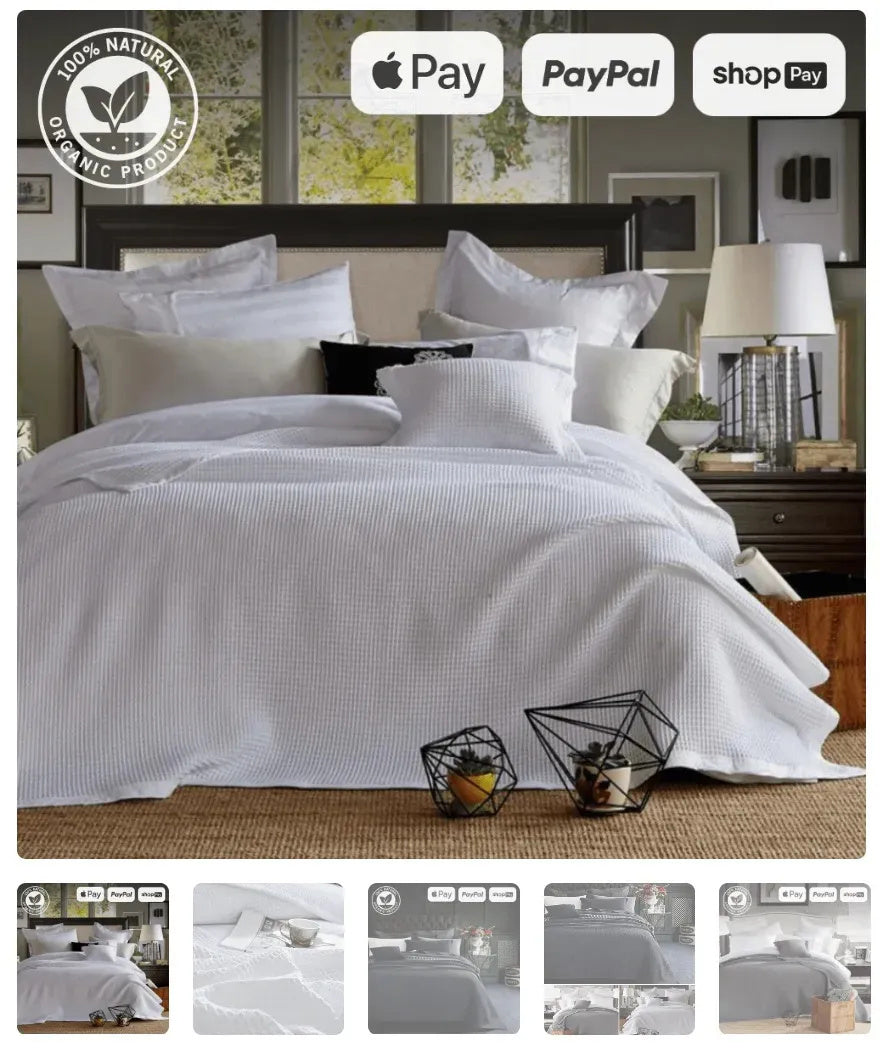
Eco-Friendly Bamboo Quilt Covers for Sustainable Homes: Benefits, Care, and Customer Insights
Bamboo quilt covers are a popular choice for eco-conscious buyers because they combine a soft, refined feel with lower environmental impact than many conventional textiles. This guide summarises the main advantages, concise care guidance and common customer observations to help sustainable-home shoppers decide if bamboo is right for them.
Benefits of Bamboo Quilt Covers:
Bamboo offers practical environmental and comfort benefits thanks to fast growth, minimal inputs and breathable fibres.
- Eco-Friendly Nature: Rapidly renewable and often grown without pesticides.
- Hypoallergenic Properties: Naturally resistant to dust mites and microbes, suitable for sensitive sleepers.
- Temperature Regulation: Breathable, moisture-wicking fibres that help keep sleepers comfortable.
These combined traits make bamboo quilt covers a strong option for sustainable homes when paired with proper care.
Care Instructions for Maintenance:
Simple care preserves softness and extends product life, reducing waste.
- Washing Instructions: Machine wash cold on a gentle cycle.
- Avoid Harsh Chemicals: Do not use bleach or fabric softeners.
- Drying Recommendations: Air dry or tumble-dry on low heat.
Following these steps helps maintain appearance and fabric performance.
Insights from Customer Experiences:
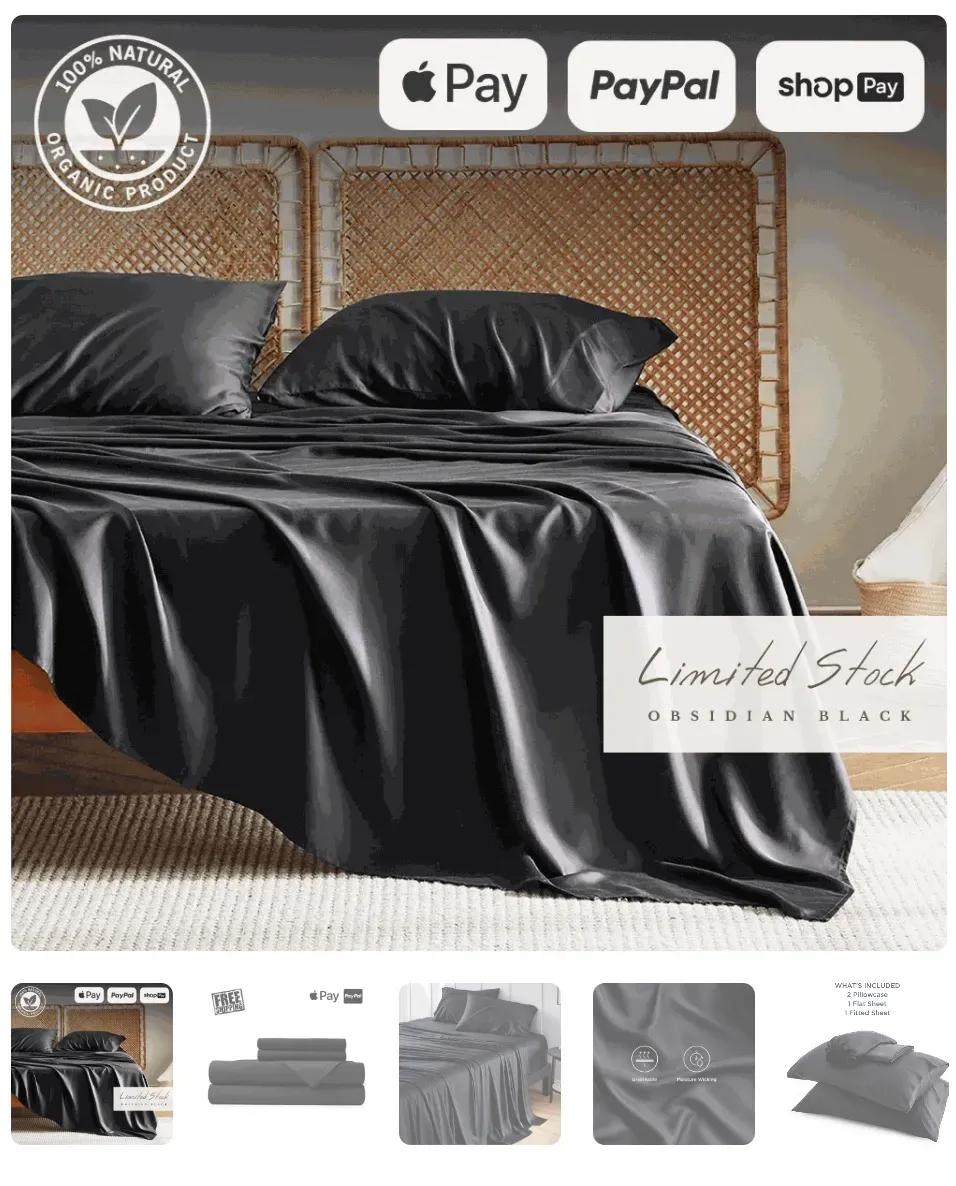
Customers commonly praise bamboo for its softness and report that the quality holds up through multiple washes, while allergy sufferers often notice fewer symptoms.
- High Levels of Comfort: Soft texture frequently noted.
- Satisfaction with Hypoallergenic Features: Users report reduced irritation.
- Indications of Longer Durability: Many see stable quality after repeated laundering.
These patterns support bamboo’s appeal as a comfortable, health-minded bedding choice.
Key Benefits of Eco-Friendly Bamboo Quilt Covers for Sustainable Homes
Choosing bamboo can reduce a household’s ecological footprint because it grows quickly, and textile production typically needs less water and energy than some alternatives.
- Reduced Environmental Impact: Low pesticide needs and fast growth.
- Improved Sleep Quality: Breathable fabric supports comfort.
- Long-lasting Durability: Often outlasts some conventional options.
For buyers seeking lower-impact bedding, bamboo represents a compelling combination of comfort and sustainability.
How Does Bamboo Fabric Enhance Comfort and Hypoallergenic Properties?
Bamboo’s breathable, moisture-wicking fibres help regulate temperature and resist microbial growth, making it suitable for sensitive skin and allergy-prone users.
- Breathability and Moisture-Wicking: Promotes airflow and keeps skin drier.
- Natural Resistance to Allergies: Fewer irritants in the fabric.
- Soft Texture Compared to Alternatives: Often described as silkier than standard cotton.
These features combine to offer both comfort and health-oriented benefits in bedding.
Why Is Bamboo Considered More Eco-Friendly Compared to Other Bedding Materials?
Bamboo typically requires less water, can mature faster than cotton, and its fibres are biodegradable, which reduces lifecycle impact.
- Faster Growth and Renewal: Quicker replenishment than many crops.
- Lower Water Usage in Production: Uses substantially less irrigation than cotton.
- Biodegradability: Breaks down naturally at the end of life.
These attributes make bamboo a favourable option for sustainable fabric choices.
How Do Bamboo Quilt Covers Support Long-Term Sustainability in Home Textiles?
Durability and compostability reduce replacement frequency and landfill contributions, improving long-term resource use.
- Durability Influences Waste Reduction: Longer-lasting products mean fewer purchases.
- Effective Use of Resources Over Time: Durable goods extend the value of resources.
- Biodegradable Characteristics: Can be composted at the end of life.
Investing in durable bamboo pieces supports lower textile waste.
What Are the Environmental Advantages of Bamboo Textile Production?
Bamboo cultivation can sequester carbon, generally avoid harmful agrochemicals and requires less irrigation, benefitting ecosystems and water resources.
- Less Irrigation Needed Compared to Cotton: Conserves water in cultivation.
- Carbon Sequestration Abilities: Bamboo stands absorb carbon effectively.
- Healthier Farming Practices: Often grown without heavy pesticide use.
These production advantages support bamboo’s responsible credentials.
How Does the Durability of Bamboo Quilt Covers Contribute to Sustainable Living?
Durability lowers replacement frequency and can make higher upfront costs more cost-effective over time.
- Long Lifespan with Proper Care: Can remain serviceable for years.
- Reduction in Overall Consumption: Fewer purchases reduce resource use.
- Cost-effective in the Long Run: Longer use spreads the initial cost.
Prioritising durability supports both household budgets and environmental goals.
What are the best practices for Caring for Eco-Friendly Bamboo Quilt Covers?
Simple routines—cold, gentle washes, low heat drying and dry storage—preserve fibres and reduce waste.
- Washing Instructions: Cold water, gentle cycle.
- Storage Recommendations: Keep dry and cool to avoid moisture damage.
- Ironing Techniques: Use low heat if needed.
These straightforward steps extend usable life and maintain softness.
Which Care Instructions Maintain Bamboo Quilt Cover Softness and Durability?
Consistent, low-heat, low-stress care—cold wash, prefer air drying, avoid high heat—keeps fibres strong and soft.
- Washing in Cold Water: Prevents fibre damage.
- Air Drying Tips: Preserves shape and reduces shrinkage.
- Avoiding High Heat: Protects fibre strength.
Following these guidelines maintains the qualities shoppers value in bamboo bedding.
How Does Proper Care Enhance the Biodegradability of Bamboo Bedding?
By extending product life and ensuring correct disposal (composting where possible), proper care improves overall biodegradability and reduces landfill waste.
- Extending Product Life Reduces Waste: Less frequent replacement lowers waste.
- Biodegradable Properties Explained: Natural fibres break down when disposed of properly.
- Eco-Friendly Practices Highlighted: Care routines and disposal choices affect lifecycle impact.
Responsible care and disposal help realise bamboo’s low-impact potential.
What Do Customers Say About Bamboo Quilt Covers from Eco-Friendly Bedding Brands?
Reviews repeatedly note softness, lasting quality and satisfaction with the sustainability of purchases.
- Comfort Reports: Many cite exceptional softness.
- Sustainability Satisfaction: Buyers appreciate the eco credentials.
- Quality Over Time: Users report retained softness after washes.
Overall feedback supports bamboo as a comfortable, sustainable bedding choice.
What Are Common Customer Testimonials on Comfort and Sustainability?
Customers commonly say bamboo improves sleep comfort and that choosing sustainable products reassures them about environmental impact.
- Comfort Levels: Often described as enhancing sleep quality.
- Sustainable Choices: Many feel good about supporting lower-impact textiles.
These testimonials indicate growing demand for bedding that balances comfort and sustainability.
How Do Bamboo Quilt Covers Compare to Organic and Natural Fabric Duvet Covers?
Bamboo is frequently described as softer and sometimes more durable than some organic fabrics, while its rapid growth and lower water needs often give it an environmental edge over cotton.
- Comfort and Feel: Often silkier than many organic fabrics.
- Durability Differences: Strong fibre structure supports longer use.
- Sustainability Evaluations: Faster growth and lower inputs can mean a smaller footprint.
This comparison highlights why many choose bamboo for sustainable bedding.
Frequently Asked Questions
1. Are bamboo quilt covers suitable for sensitive skin?
Yes. They are generally hypoallergenic and moisture-wicking, which helps reduce irritation.
2. How does the production process of bamboo quilt covers impact the environment?
Bamboo typically needs less water and fewer chemicals than some crops, and processing can be less energy-intensive than some synthetics, reducing overall impact when responsibly produced.
3. What makes bamboo quilt covers more durable than cotton?
Bamboo fibres offer structural strength and elasticity that help resist wear and retain quality through repeated washes.
4. Can bamboo quilt covers be machine-washed?
Yes. Use cold water on a gentle cycle and air dry or tumble on low to protect fibres.
5. Are bamboo quilt covers breathable and suitable for all seasons?
Yes. Bamboo breathes well and wicks moisture, making it comfortable year-round.
6. Do bamboo quilt covers require special care compared to other fabrics?
No special routine is required beyond gentle washing, avoiding bleach and softeners, and storing dry; these simple steps prolong life.
7. Where can I buy eco-friendly bamboo quilt covers?
They are sold by retailers specialising in sustainable home goods and online marketplaces — look for transparent sourcing, certifications and customer reviews.