Bamboo vs. Cotton Sheets: Which Helps You Sleep Better? A Practical Look at Comfort, Health, and Sustainability
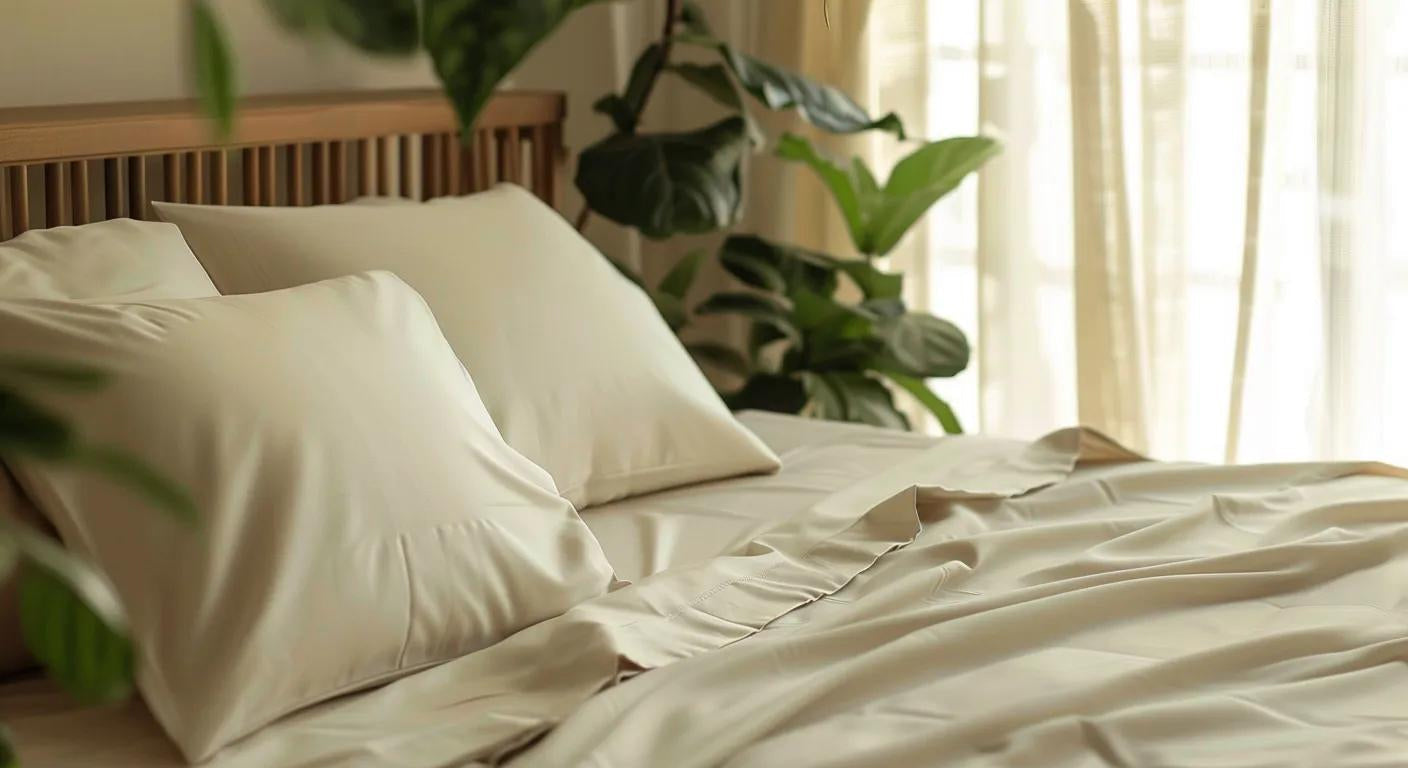
Bamboo and cotton are two of the most popular choices for bedding. Let's explore how each affects your sleep, comfort, and the environment, helping you choose with confidence. We'll look at the differences between bamboo-derived viscose and raw cotton fibres, and why things like fabric structure and weave often matter more than just thread count when finding the perfect fit for your sleep.
Frequently Asked Questions
What are the environmental impacts of bamboo sheets compared to cotton sheets?
Bamboo often gets a sustainability halo because it grows fast, needs less water, and can be farmed without pesticides. That said, turning bamboo into soft viscose often involves chemical processing, so it's important that this is handled responsibly to avoid pollution. Cotton can be resource-intensive, especially when it comes to conventional cotton; however, organic cotton and improved farming practices help reduce its environmental impact. Ultimately, while the raw plant is important, the manufacturing process and certifications (like organic or responsible viscose) really determine the overall environmental footprint.
How do bamboo sheets affect sleep quality compared to cotton sheets?
Bamboo sheets are prized for breathability and moisture-wicking, which can help you stay cooler and drier through the night—useful if you sleep hot. Good-quality cotton is also comfortable and breathable, though it usually doesn’t wick moisture as aggressively as bamboo viscose. Ultimately, both can offer a great night's sleep; often, the right weave and finish are more important than just the fibre name itself.
Are bamboo sheets hypoallergenic?
Bamboo-derived fabrics are often marketed as naturally hypoallergenic and resistant to dust mites, mould, and mildew, which can help allergy sufferers. These properties come from the fibre structure and finished fabric, and when materials are carefully sourced and manufactured responsibly, these benefits can be enjoyed. Organic cotton can also be a good choice for sensitive skin when it’s grown and processed with fewer chemicals.
How should I care for bamboo sheets to ensure their longevity?
For best results, wash bamboo sheets in cold water on a gentle cycle and use mild detergent. Skip bleach and strong chemicals, which can damage fibres. Tumble-dry on low or, better yet, air-dry to avoid shrinkage and keep the fabric soft. If you iron, use a low setting. These simple steps help bamboo sheets last longer and stay comfortable.
Can I mix bamboo and cotton sheets in my bedding?
Yes—mixing is perfectly fine and often practical. Many people pair a bamboo fitted sheet with cotton pillowcases or a cotton duvet cover to balance temperature regulation and durability. Just check care labels so you don’t accidentally wash one set at a temperature or with a detergent that could harm the other.
What is the price difference between bamboo and cotton sheets?
When considering the investment, both bamboo and cotton offer a range of options. Bamboo sheets often represent a premium choice due to their specialised processing and luxurious feel. Cotton, depending on its type and weave, can also range from accessible to a significant investment.