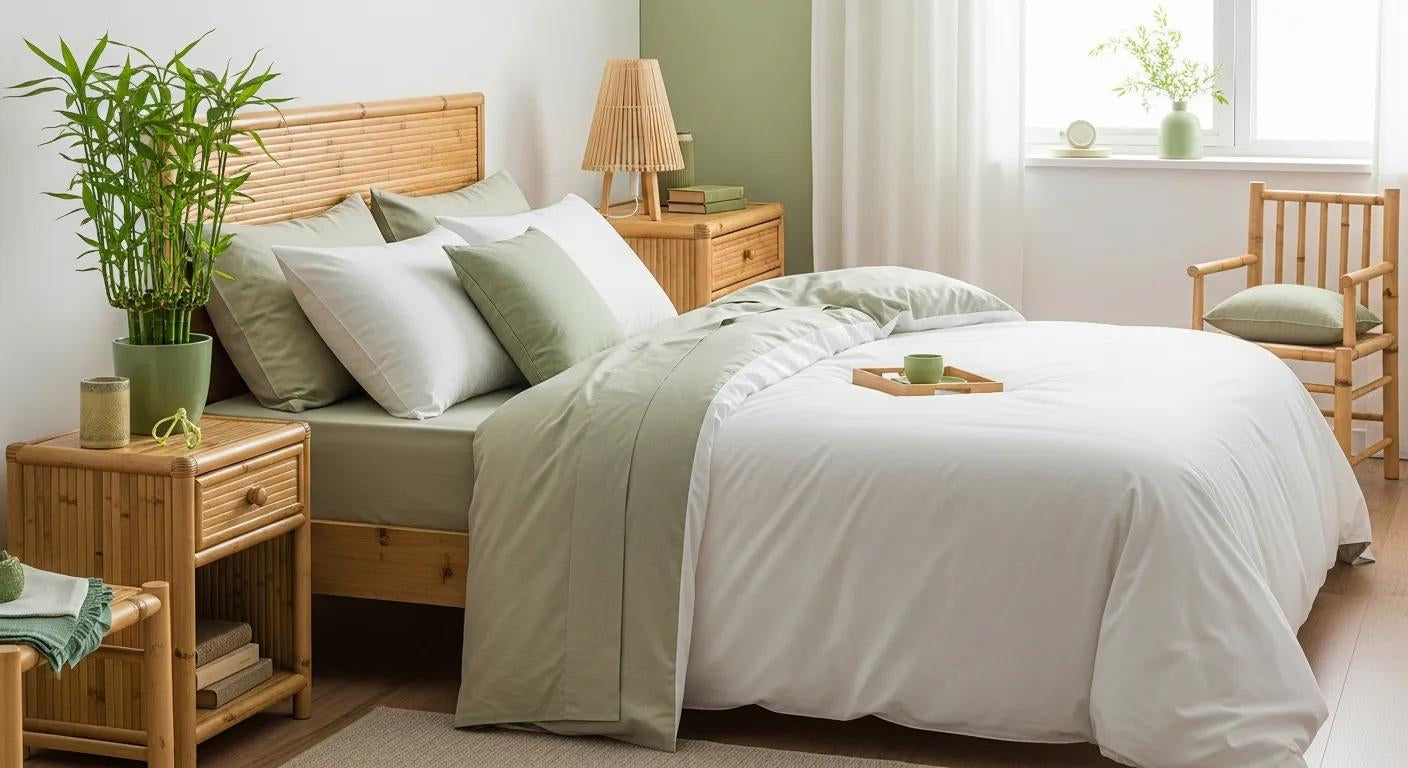
Bamboo vs. Cotton Sheets — Which Fits Your Eco-Friendly Home?
Deciding between bamboo and cotton sheets comes down to three essentials: environmental impact, how you sleep (temperature and moisture), and any skin sensitivities. This guide walks through what bamboo sheets are, how bamboo lyocell is made, and why many eco-minded households choose it for its breathability and moisture control. You’ll also get a clear breakdown of common cotton varieties, the trade-offs in durability and care, plus side‑by‑side comparisons to make choosing simple. After a concise look at materials and processing, we offer a practical buying checklist and care tips so you can match sheet performance to your sleep habits and household needs. Throughout, we point out how responsibly made bamboo bedding can be a smart pick for hot sleepers, allergy-prone homes, and anyone after long-term value — using Adore Earth as an example of premium eco-friendly bamboo bedding.
What Are Bamboo Sheets and Why Are They an Eco-Conscious Choice?
Bamboo sheets are linens made from fibres sourced from bamboo plants and transformed into yarns, often using the lyocell process that recovers solvents to lower environmental harm. Bamboo’s sustainability comes from the plant’s rapid regrowth and, when combined with closed‑loop manufacturing, reduced chemical runoff and waste. For sleepers, that translates to sheets that feel soft, wick moisture well, and breathe easily — all of which help with overnight comfort. Below, we unpack how bamboo is processed, the sustainability features to look for, and the everyday comfort benefits eco-focused buyers appreciate.
Bamboo benefits at a glance:
- Fast-regenerating fibre: Bamboo grows back quickly without replanting, easing pressure on land.
- Lower chemical inputs: Certified organic bamboo typically needs few or no pesticides or fertilisers.
- Closed‑loop processing possible: Lyocell production can recover and reuse solvents, cutting emissions and waste.
These points highlight why bamboo lyocell is a popular choice for greener home textiles. Knowing the production steps makes it easier to judge how processing choices affect both environmental footprint and fabric performance.
How Is Bamboo Lyocell Fabric Made and What Makes It Sustainable?
Making bamboo lyocell starts with turning bamboo culms into a pulp, then dissolving that pulp in a non-toxic solvent to form a solution that’s extruded into filaments and spun into yarn. The key sustainability advantage is the closed‑loop solvent recovery: solvents are captured, cleaned and reused instead of being released into the environment. That contrasts with older viscose methods, which can have higher effluent releases. Ultimately, true environmental performance depends on both responsible sourcing and strong factory controls — so prioritise brands that clearly describe closed‑loop processing and organic cultivation in their supply chain.
Those production benefits translate into tangible textile advantages like a softer hand and consistent fibre performance; the next section covers how that matters for sleep and skin.
What Are the Key Benefits of Bamboo Sheets for Comfort and Health?
Bamboo lyocell sheets feel silky soft and offer strong moisture‑wicking and airflow, which helps you stay cooler and drier through the night. The fibre’s structure promotes ventilation while pulling moisture away from skin, improving temperature regulation and creating a more comfortable sleep microclimate. Bamboo fibres are also naturally less hospitable to dust mites and certain microbes, which supports hypoallergenic performance for sensitive skin and allergy sufferers. For households that want both comfort and sustainability, bamboo sheets strike a good balance of luxurious feel and practical hygiene.
These comfort and health perks are the basis for the comparisons with cotton that follow.
| Benefit | Property | Value/Note |
|---|---|---|
| Regenerative sourcing | Growth rate and land use | Bamboo regrows quickly and can reduce land pressure compared with some annual crops. |
| Reduced agrochemicals | Pesticide/fertiliser needs | Organically grown bamboo avoids conventional pesticide and fertiliser use when certified. |
| Breathability & moisture control | Thermal and hygroscopic qualities | Bamboo lyocell promotes airflow and wicks moisture away from skin |
What Are Cotton Sheets and What Are Their Advantages and Drawbacks?
Cotton sheets are woven from the fibres of the cotton plant and vary widely by staple length, weave and finish, giving shoppers a broad range of textures and value points. Cotton’s popularity relies on its familiarity, a large global supply chain, and the ability to produce long‑staple varieties that yield soft, durable fabrics. Pros include wide availability, many weave options (percale, sateen) and robustness in wash. The main downsides for eco-conscious buyers are high water use in conventional farming and heavy pesticide application unless the cotton is certified organic. The paragraph below outlines cotton types, trade-offs and environmental considerations to help you prioritise.
Cotton pros and cons summarised:
- Pro: Familiar feel with a wide value and texture range to suit different sleepers.
- Con: Conventional cotton can require substantial water and chemical inputs.
- Pro: High‑quality long‑staple cotton delivers excellent durability and a classic look.
Which Types of Cotton Sheets Are Common and What Are Their Features?
Common cotton varieties include organic cotton, Egyptian cotton and Pima (often sold as Supima), distinguished mainly by staple length and cultivation standards that affect feel and longevity. Long‑staple types like Egyptian and Pima produce finer yarns, resulting in smoother, stronger fabric with less pilling. Organic cotton reduces chemical inputs but can vary in staple length. Weave choice matters too: percale gives a crisp, breathable finish, while sateen feels silkier and more lustrous. When assessing cotton, focus on staple length and weave — they most reliably predict how a sheet will feel and age.
Those specifics explain why cotton remains a go‑to option despite its environmental trade-offs; next, we explore those limitations more directly.
What Are the Environmental and Comfort Limitations of Cotton Bedding?
Cotton’s environmental footprint is shaped by conventional water and chemical use: irrigated cotton systems can be water‑intensive, and non‑organic cotton often relies on pesticides and fertilisers. Comfort-wise, cotton can hold moisture longer than high‑performance lyocell fibres, which can be a drawback for hot sleepers. Lower‑grade cottons or certain finishes may pill or lose their hand after repeated washing, shortening their useful life unless you choose long‑staple, higher‑quality options. Balancing cotton’s environmental and comfort limits against your desired investment and style preferences — and considering organic or certified alternatives — helps you make a more informed choice.
Because cotton and bamboo behave differently when it comes to care and longevity, the next section lays out a side‑by‑side comparison to help you weigh trade‑offs more holistically.
How Do Bamboo and Cotton Sheets Compare Side‑by‑Side for Your Home?
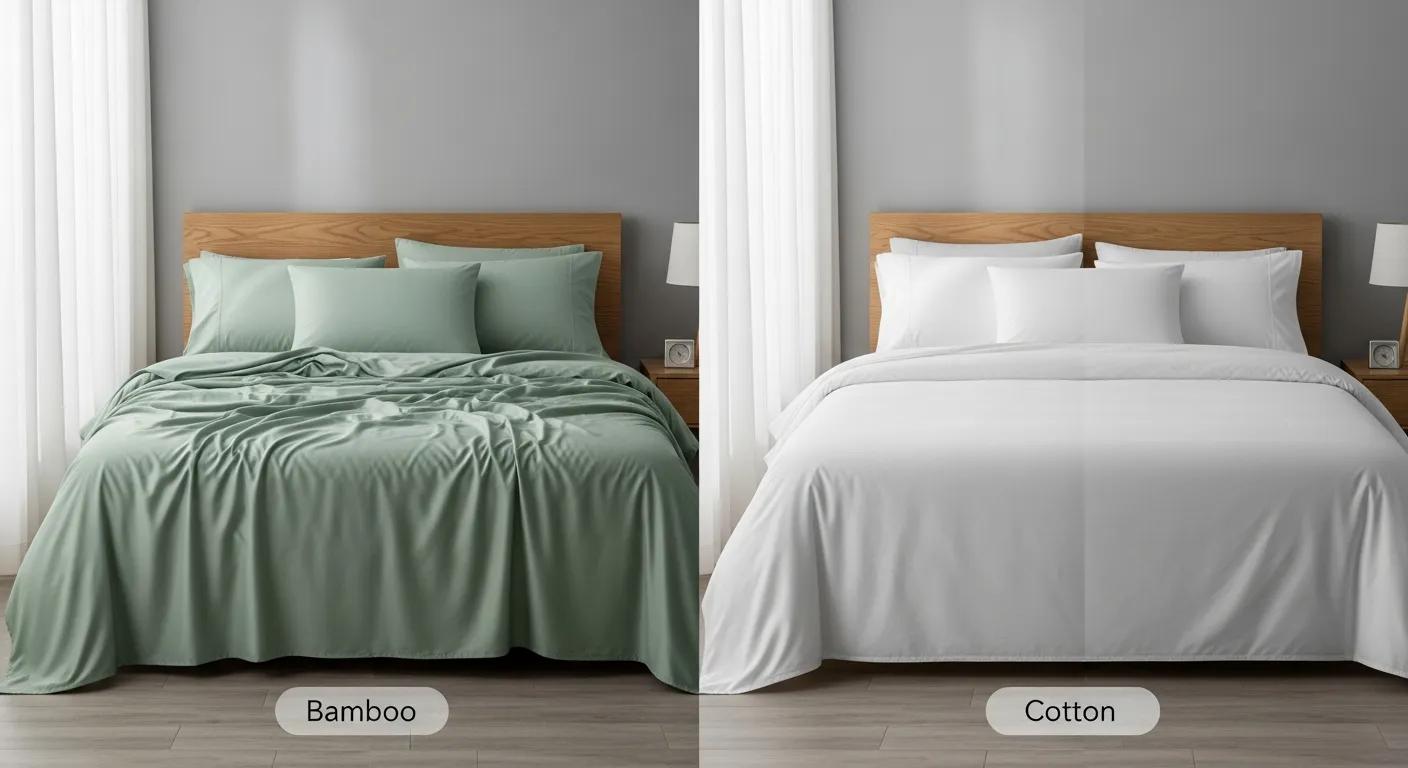
This quick comparison turns material properties into practical buying insights — focusing on softness, breathability, moisture control, durability, care and environmental footprint. The table below gives a scannable view so you can match performance to your needs fast. After the table, we answer common “is bamboo or cotton better” questions for different sleeper profiles.
| Attribute | Bamboo (summary) | Cotton (summary) |
|---|---|---|
| Softness | Silky from the first night; smooth hand without a long break‑in | Depends on staple length; long‑staple cotton softens with use and can feel very luxurious |
| Breathability | Very breathable with strong moisture‑wicking | Breathable overall; some weaves retain more moisture than lyocell |
| Durability | Durable when cared for; retains shape and softness with gentle washing | Durable when made from long‑staple cotton; lower grades may pill |
| Environmental impact | Lower when using organic bamboo and closed‑loop processing | Higher water and chemical inputs in conventional systems; organic options reduce impact |
| Care & cost | Best with a gentle wash; it often represents a worthwhile investment | More tolerant of high‑heat washing; available across a wide range of value points |
| Brand example | Adore Earth: 100% organically grown bamboo, silky feel, hypoallergenic and built to last | Cotton brands vary widely by fibre quality and certification. |
This snapshot helps buyers balance nightly comfort against sustainability priorities. Adore Earth is shown as an example of a bamboo option that emphasises organic sourcing, softness and hypoallergenic performance.
Which material is better for specific sleep needs? Hot sleepers often prefer bamboo for its moisture‑management and cooling properties. If you want a crisp, classic cotton feel or need to wash at higher temperatures frequently, long‑staple cotton remains a solid pick. The sections below expand on thermal performance and lifecycle considerations to help you decide.
Which Material Offers Superior Softness, Breathability, and Temperature Regulation?
Bamboo lyocell usually delivers an immediate, silky softness and excels at moving moisture away from the skin, which helps maintain a cooler sleep microclimate. The fibre’s hygroscopic nature encourages evaporation and airflow, making it a strong choice for night sweats and warm bedrooms. Cotton’s breathability depends on fibre quality and weave: a high‑quality, long‑staple cotton in a percale weave can be breathable, but it generally won’t wick moisture as actively as lyocell. If you prioritise instant softness and active cooling, bamboo is often the better fit; if you prefer a crisp coolness that softens with time, long‑staple cotton is a durable alternative.
That comparison leads to lifecycle and care trade‑offs, which ultimately affect long‑term value.
How Do Durability, Care, and Cost Differ Between Bamboo and Cotton Sheets?
Both materials’ durability depends on fibre quality and how you care for them. Bamboo lyocell keeps its softness and structure when laundered gently; long‑staple cotton tolerates higher temperatures and more mechanical wash stress. Bamboo usually requires lower‑temperature washing and gentler cycles, while cotton handles hotter washes that remove heavy soiling. While premium bamboo may represent a higher initial investment, its lasting comfort and performance can offer comparable or even superior long-term value compared to more accessible cotton sets that might wear out sooner. Think beyond the sticker price: a well‑made sheet that keeps performing is the better investment.
Next, we look at how these attributes map to a brand example.
Why Are Adore Earth Bamboo Sheets the Superior Choice for Eco‑Friendly Bedding?
Adore Earth presents itself as a maker of luxurious, eco‑minded bamboo sheet sets for people who care about comfort and the planet. The brand calls out 100% organically grown bamboo as its primary material and highlights unique selling points like an exceptionally soft hand, a sustainability focus on reduced water use, hypoallergenic and antibacterial qualities, and a long‑lasting feel with proper care. This section explains how those benefits address common buyer concerns — sensitivity, temperature control and long‑term value — and points customers to product and care resources for handling specifics.
Adore Earth focuses on allergy relief and cooling comfort while tying its sustainability story to material sourcing and manufacturing choices. Using the brand as an example helps illustrate how a supplier's claims can connect to the material trade-offs we've discussed.
How Do Adore Earth Bamboo Sheets Support Sensitive Skin and Allergy Needs?
Adore Earth’s bamboo sheets are promoted as naturally hypoallergenic and less hospitable to dust mites and some microbes, which can help people with eczema, asthma triggers or generally sensitive skin. That effect comes from the fibre’s surface properties and excellent breathability, which reduce moisture that can invite microbial growth. For allergy‑prone households, choosing organically grown bamboo with careful finishing helps minimise chemical residues that might irritate skin. These features make responsibly produced bamboo bedding a practical choice for a cleaner, lower‑irritant sleep environment.
What Makes Adore Earth Bamboo Sheets Luxuriously Soft and Long‑Lasting?
Adore Earth’s feel comes from careful fibre selection, fabric construction and finishing that deliver a silky hand straight away. The brand sometimes references very high thread counts to convey density, but thread count is not a reliable quality signal for lyocell. The durability comes from the inherent strength of lyocell fibres and following recommended care that reduces abrasion and heat damage. To protect softness and colour, wash gently with a mild detergent and dry on low or air dry. Those habits help the fabric retain its hand and structure, so a premium bamboo set can remain comfortable for years.
How Can You Choose the Best Sheets for Your Home’s Comfort and Sustainability?
Picking the right sheets starts with clear priorities that reflect your household: temperature needs, allergy sensitivity, expected lifespan and your desired investment level. The decision framework below lists the factors that matter most, gives quick pairings for common sleepers, and offers a concise checklist you can use while shopping. Rank your priorities — temperature regulation, allergy resistance, longevity, or your desired investment — then use the checklist to compare materials and supplier transparency.
Key buyer criteria:
- Material and fibre quality: long‑staple cotton vs bamboo lyocell.
- Processing transparency: evidence of closed‑loop production and organic sourcing.
- Care needs and expected lifespan based on your laundering habits.
- Brand claims around hypoallergenic and antibacterial performance, with verifiable certifications.
Apply these criteria to narrow choices quickly. The short decision examples below make recommendations for typical households and link to selecting a product that fits your priorities.
What Factors Should Eco‑Conscious Consumers Consider When Selecting Bedding?
If sustainability is a priority, look for verifiable material sourcing, transparent processing details and end‑of‑life biodegradability. Specifically, check for organic cultivation statements, closed‑loop solvent recovery in lyocell production, and minimal use of synthetic finishes that impede biodegradability. Clear supply‑chain information — where fibres are grown and how fabrics are processed — helps you avoid greenwashing and assess true environmental performance. Considering these factors together gives a fuller picture of a product’s lifecycle impact than any single claim can.
How Do Sleep Style and Skin Sensitivity Influence Sheet Material Choice?
Match material to your sleep profile: hot sleepers and those who sweat at night benefit from bamboo lyocell’s moisture‑wicking and breathability; allergy sufferers can find relief with hypoallergenic bamboo or certified organic cotton; people who prefer a crisp, cool feel may choose percale‑woven long‑staple cotton. Value-driven shoppers can select durable cotton with the right weave to maximise lifespan, while sustainability-focused buyers should prioritise organic cultivation and closed-loop processing, understanding that this often represents a higher initial investment. Mapping personal priorities to material performance helps you balance nightly comfort with environmental and health goals.
What Are the Best Practices for Caring for Bamboo and Cotton Sheets?
Good care preserves softness, reduces pilling and extends the useful life of both bamboo and cotton sheets. The rule of thumb is to match wash temperature, detergent and drying method to the fibre’s tolerance: bamboo lyocell prefers gentler handling, while cotton tolerates higher heat and agitation. The table below summarises recommended care steps, expected outcomes and longevity benefits, followed by practical dos and don’ts for busy households.
| Item | Recommended Care | Expected Result / Longevity |
|---|---|---|
| Bamboo lyocell sheets | Gentle cold to warm wash, mild detergent, low‑heat tumble or air dry | Preserves fibre strength and softness; reduces shrinkage and pilling |
| Organic cotton sheets | Warm or hot wash acceptable, normal detergent, tumble dry on medium | Robust cleaning and stain removal; durable with regular high‑temp washes |
| Maintenance tips | Avoid chlorine bleach, use a mesh bag for delicate cycles, and remove promptly from the dryer. | Minimises fibre abrasion and preserves colour and hand. |
This care summary shows how small adjustments in laundering extend lifespan and maintain performance for each material.
Dos and don’ts for sheet care:
- Do wash bamboo on a gentle cycle with a mild detergent to protect the fibres.
- Do use warm or hot water for cotton when sanitisation or heavy soiling is needed.
- Don’t use chlorine bleach on bamboo or coloured cotton — it weakens fibres.
- Don’t overload the washer; give sheets room to move to reduce abrasion.
How Should You Maintain Bamboo Sheets to Preserve Softness and Durability?
Care for bamboo lyocell by washing in cold to warm water on a gentle cycle with a mild, pH‑neutral detergent. Skip fabric softeners — they can coat fibres and reduce absorbency. Dry on low heat or line dry to avoid excess thermal stress, and remove sheets promptly from the dryer to minimise wrinkles and friction. Rotate sheet sets to spread wear and store them in a cool, dry place away from direct sunlight to prevent colour fade. These simple habits keep the fabric’s silky hand and structural integrity, protecting the value of a premium bamboo set.
What Are the Differences in Care Requirements Between Bamboo and Cotton Bedding?
Cotton handles higher wash temperatures and tougher cycles, which makes it easier to sanitise or remove heavy stains; repeated high‑heat drying, however, can still degrade fibres over time. Bamboo needs gentler cycles and lower temperatures to maintain softness and limit shrinkage, but with proper care, it can stay soft and durable for many years. For busy homes, cotton’s robustness may be more convenient, while those willing to follow gentler care routines will get long‑term benefits from bamboo’s feel and moisture control. Pick the material that matches your laundering habits to keep sheets performing well.
These practical care comparisons wrap up the guide by linking material choice to daily maintenance and long‑term outcomes.
Frequently Asked Questions
What is the lifespan of bamboo sheets compared to cotton sheets?
With proper care, bamboo sheets typically last around 5 to 10 years. They hold up well when laundered gently. High‑quality long‑staple cotton can last anywhere from about 5 to 15 years, with the longest lifespans found in premium cottons. Lower‑quality cotton will usually wear out faster, especially under harsh washing. Following recommended care for either fibre significantly extends usable life, making them solid long‑term investments.
Are bamboo sheets a higher investment than cotton sheets?
Bamboo sheets often represent a higher initial investment compared to generic cotton options, reflecting sustainable growing and processing costs, as well as the quality of the fibres. The overall value varies by brand, certifications, and construction. While bamboo may have a higher upfront cost, its durability and comfort can deliver significant long-term value. High-end long-staple cotton can be similarly positioned in terms of investment, while more accessible cotton options remain widely available.
How do bamboo and cotton sheets perform in terms of temperature regulation?
Bamboo sheets are excellent at regulating temperature thanks to their moisture‑wicking and breathable structure, making them a great choice for hot sleepers or anyone who sweats at night. Cotton is breathable too, but it tends to hold more moisture than lyocell, so it may not cool as actively. High‑quality cotton can still offer good airflow, but bamboo typically provides superior cooling and moisture management.
Can bamboo sheets be washed in a washing machine?
Yes. Wash bamboo sheets on a gentle machine cycle with cold to warm water and a mild detergent to preserve softness and durability. Avoid fabric softeners, which can leave a residue. Tumble dry on low or air dry to prevent excess shrinkage and keep the fibres in good condition. Following these steps will help your bamboo sheets last.
Are bamboo sheets hypoallergenic?
Bamboo sheets are often considered hypoallergenic because their properties help resist dust mites and some microbes, and their breathability reduces moisture that can promote microbial growth. That makes them a strong option for people with sensitive skin or certain allergies. Choosing organic, carefully finished products further reduces the risk of irritating chemical residues.
What should I look for when buying bamboo or cotton sheets?
Look for clear information on material quality, construction and certifications. For bamboo, prioritise 100% organic bamboo lyocell and transparency about closed‑loop processing. For cotton, seek long‑staple varieties like Egyptian or Pima for better durability and softness, and check for certifications such as GOTS for organic cotton. Finally, consider how the fabric feels, breathes and fits your care routine to pick the best option for your home.