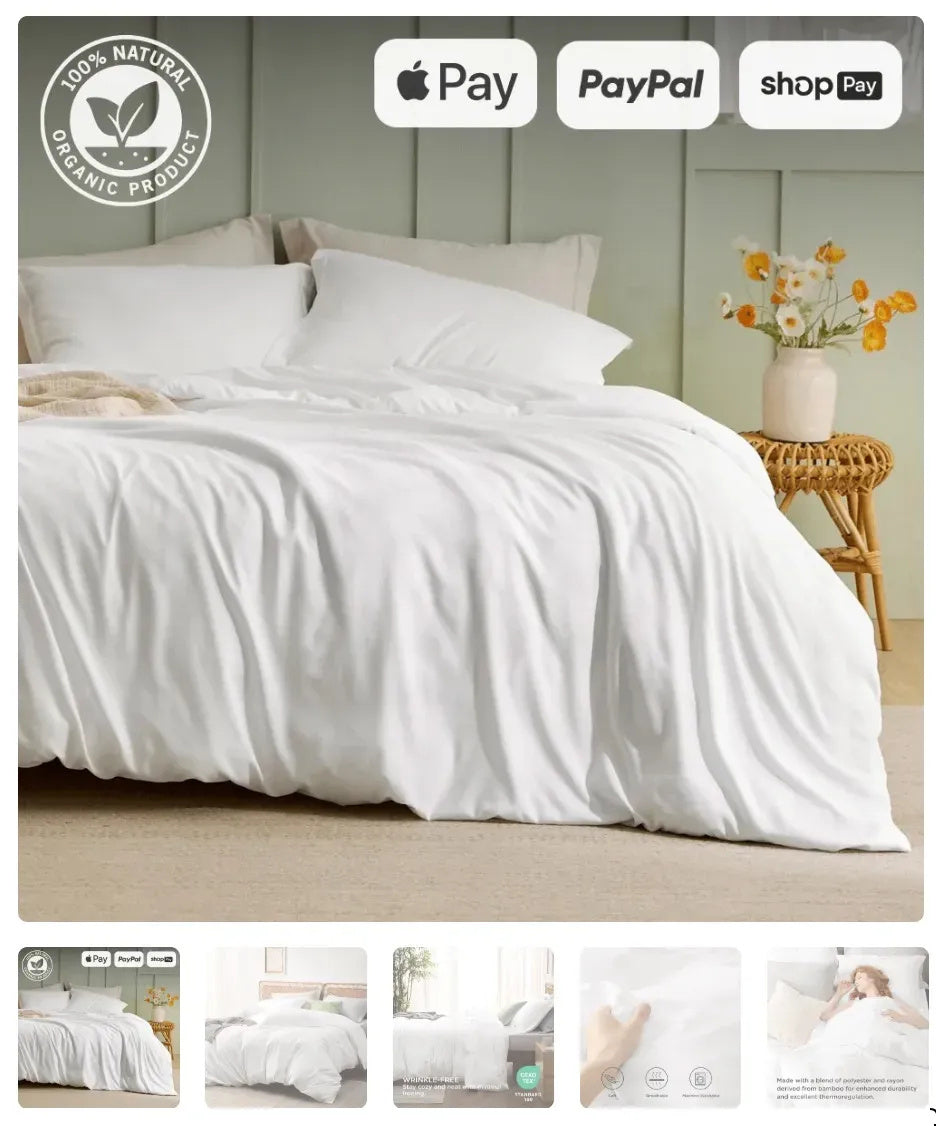
Bamboo Quilt Covers for Allergy Relief: Hypoallergenic and Sustainable Bedding Explained
Bamboo quilt covers blend comfort and allergy relief in a simple, natural way. Crafted from bamboo fibres, they have natural hypoallergenic and antimicrobial properties that help reduce exposure to everyday irritants. This guide covers how bamboo covers can benefit allergy sufferers, their eco-friendly qualities, tips for care, and common feedback from customers.
Hypoallergenic Properties
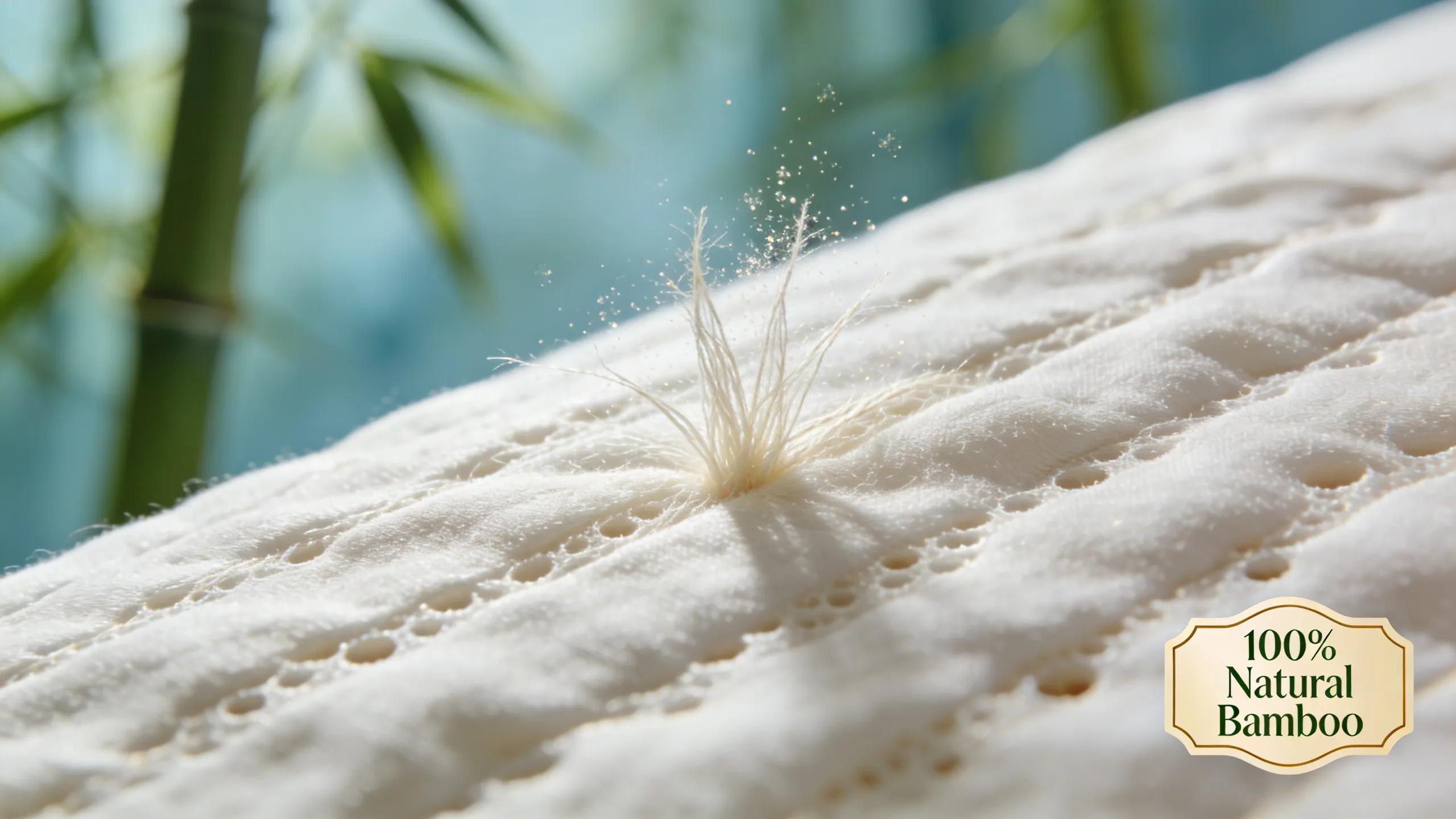
Bamboo fibres are naturally resistant to dust mites, mould and other allergens. The breathable fabric helps keep humidity down, creating an environment that is less inviting for triggers. Many people find they experience fewer allergy symptoms once they start using bamboo bedding. Choosing breathable, tightly woven materials is an easy way to create a healthier sleep space.
Sustainability
Bamboo is a fast-growing, sustainable resource that usually needs little water and rarely requires pesticides. These features mean bamboo fibre production tends to have a smaller environmental impact compared with some traditional crops.
Adore Earth offers bamboo quilt covers designed to help ease allergy symptoms while supporting environmentally friendly practices. Choosing bamboo quilt covers is a positive step towards sustainable living and comfort.
Overall Benefits
Bamboo quilt covers offer allergy-friendly qualities alongside effective temperature control, antimicrobial protection and lasting softness. They’re a practical choice for those wanting reliable relief without compromising on comfort.
- Temperature Regulation: Bamboo fabric is highly breathable and wicks moisture, helping to keep you comfortably cool.
- Antibacterial Properties: Natural antimicrobial agents help limit bacteria and fungi, reducing allergen buildup.
- Softness and Durability: Bamboo feels silky soft yet is sturdy when cared for properly, maintaining its quality over time.
Together, these advantages make for a more comfortable, less allergenic sleeping environment.
What Are the Key Benefits of Bamboo Fabric for Allergy Relief?
Bamboo fabric helps reduce common triggers through tight weaving and natural antimicrobial effects. It creates a surface less friendly to dust mites and less prone to mould and bacteria, making bamboo quilt covers a smart option to improve your sleep conditions.
How Does Bamboo Fabric Naturally Reduce Allergens?
The tightly woven fibres leave fewer gaps where allergens can gather, and antimicrobial properties deter mould and bacteria that can cause reactions.
Why Is Bamboo Fabric Considered Hypoallergenic and Breathable?
Bamboo is free of many irritants found in some synthetic fabrics. Its breathability enhances air flow, and moisture-wicking helps disperse humidity that might otherwise fuel mould and dust mites, easing irritation for sensitive users.
How Do Bamboo Quilt Covers Support Sustainable and Eco-Friendly Living?
Bamboo covers tend to be made with less chemical input and renew more quickly than many traditional fibres. Plus, bamboo breaks down more easily in the environment than many synthetic materials, reducing landfill impact.
What Makes Bamboo Quilt Covers Environmentally Responsible Bedding?
Bamboo’s rapid regrowth and minimal need for pesticides support ongoing production with lower resource use and less environmental strain.
How Do Bamboo Quilt Covers Reduce Environmental Impact Compared to Traditional Bedding?
Compared to some cotton crops, bamboo typically requires less water and fewer chemicals, contributing to a smaller carbon and resource footprint for the finished product.
What Should You Know About Caring for Bamboo Quilt Covers to Maintain Allergy Relief?
Proper care helps keep hypoallergenic benefits intact and prolongs the life of your quilt cover. Regular washing prevents allergen buildup, and storing in dry conditions avoids mould.
- Routine Cleaning: Wash regularly—around every two weeks is a good general guideline—to keep allergens at bay.
- Storage: Keep covers in dry, breathable containers to prevent moisture and mould.
- Longevity Tips: Follow care instructions; use gentle machine wash and lower heat drying.
What Are the Recommended Care Instructions for Bamboo Quilt Covers?
Use a gentle cycle with cold water, avoid bleach and fabric softeners, and opt for line drying or low heat tumble drying to reduce wear.
How Does Proper Maintenance Extend the Durability of Bamboo Bedding?
Consistent, gentle care reduces allergen buildup and helps bamboo stay soft and strong, supporting long-term comfort and protection.
What Do Customers Say About Bamboo Quilt Covers for Allergy Relief?
Many people report better sleep and reduced allergy symptoms after switching to bamboo quilt covers. Feedback often highlights their softness, breathability and usefulness for sensitive sleepers.
How Have Bamboo Quilt Covers Improved Allergy Symptoms for Users?
Users often notice fewer sneezes, less itching and overall symptom relief, crediting bamboo’s natural antimicrobial and hypoallergenic features.
Why Do Eco-Conscious Buyers Prefer Bamboo Quilt Covers?
Buyers mindful of the environment appreciate bamboo’s sustainable sourcing and reduced resource demands. It’s a product that aligns with their values while providing comfort and health benefits.
These qualities make bamboo fabric a great choice for those wanting allergy relief alongside environmentally sound living.
| Feature | Benefit | Impact Level |
|---|---|---|
| Hypoallergenic Properties | Reduces allergens like dust mites and mould | High |
| Breathability | Enhances comfort through moisture-wicking | High |
| Sustainability | Minimal environmental impact due to rapid regrowth | High |
Choosing bamboo quilt covers supports better personal health and a more eco-friendly lifestyle. Making the switch to bamboo bedding can create a comfy and cleaner sleeping space with less exposure to common allergens.
Frequently Asked Questions
1. What types of bamboo quilt covers are available?
There are many styles, colours and sizes to choose from, with options for different thread counts, softness and blends. Pick one that suits your bedding and keeps the natural benefits of bamboo intact.
2. Are bamboo quilt covers safe for sensitive skin?
Yes. Bamboo covers are soft and tend to be free from many irritants, so they’re suitable for sensitive skin. Many find they have less skin irritation after switching.
3. Can bamboo quilt covers be washed in a washing machine?
Yes. Use a gentle cycle with cold water, avoid bleach and fabric softeners, and line dry or tumble dry on low to protect the fabric.
4. How does the production of bamboo quilt covers impact the environment?
Bamboo production is often gentler on the environment due to its fast growth and low resource needs. It also helps absorb carbon dioxide and usually requires minimal pesticides.
5. How do customers typically rate their experience with bamboo quilt covers?
Most customers give positive feedback, praising comfort, softness, allergy symptom relief and overall satisfaction.
6. What makes bamboo quilt covers a better option than traditional cotton covers?
Bamboo often offers better hypoallergenic qualities and moisture management, plus it typically uses less water and fewer chemicals in its production compared with cotton.
7. Is there a recommended storage method for bamboo quilt covers?
Store covers in a cool, dry place and make sure they’re fully dry before putting them away. Use breathable storage bags that keep dust out while allowing air circulation.