Bamboo vs Cotton Quilt Covers: Choosing the Best Eco-Friendly and Comfortable Bedding for You
Choosing the right quilt cover matters for both comfort and environmental impact. When deciding between bamboo and cotton, consider how each material performs and how they align with your values. This guide covers fibre traits, environmental benefits, durability, and comfort to help you find the quilt cover that best suits your needs. It also touches on health and allergy considerations, care differences, and what to look for in sustainable and low‑chemical production.
Material Properties
Material characteristics shape your sleep experience. Bamboo quilt covers are known for their pronounced softness and breathability, with a smooth feel that can improve sleep quality. Organic or quality cotton covers remain breathable and comfortable while offering long‑lasting durability, making cotton a trustworthy choice for everyday use.
How Do Material Properties Affect Comfort and Breathability?
The different fibres provide distinct comfort. Bamboo’s smooth strands help wick away moisture and keep you cooler at night. Cotton manages moisture well but usually needs a bit more care to keep its softness and breathability. Each suits different sleep preferences and conditions.
Sustainability Metrics
Bamboo usually requires much less water and little to no pesticides, which means a lighter footprint on the planet. Cotton often uses more water and chemicals unless it’s specially grown to organic standards. When picking bedding, consider these environmental aspects along with your personal comfort.
The table below shows the basic differences in water usage and pesticide needs between bamboo and cotton to give you a clear picture:
| Material | Water Usage | Pesticide Use |
|---|---|---|
| Bamboo | Low | None |
| Cotton | High | Often high, varies with organic practices |
This comparison can help you choose a quilt cover that's kinder to the environment.
Durability
Durability is important when choosing quilt covers. Bamboo fibres tend to hold their shape and softness through multiple washes, helping the cover last longer and reduce waste. Good quality cotton covers can also be tough but usually need a bit more careful washing to avoid early wear.
- Bamboo's Lifespan: Bamboo quilt covers are known to last several years without losing comfort or look.
- Maintenance for Cotton: Cotton needs gentle washing and drying to keep it in good condition, which affects how long it lasts.
- Impact on Waste: Choosing durable materials like bamboo can help reduce waste by cutting down how often you replace bedding.
Overall Comfort
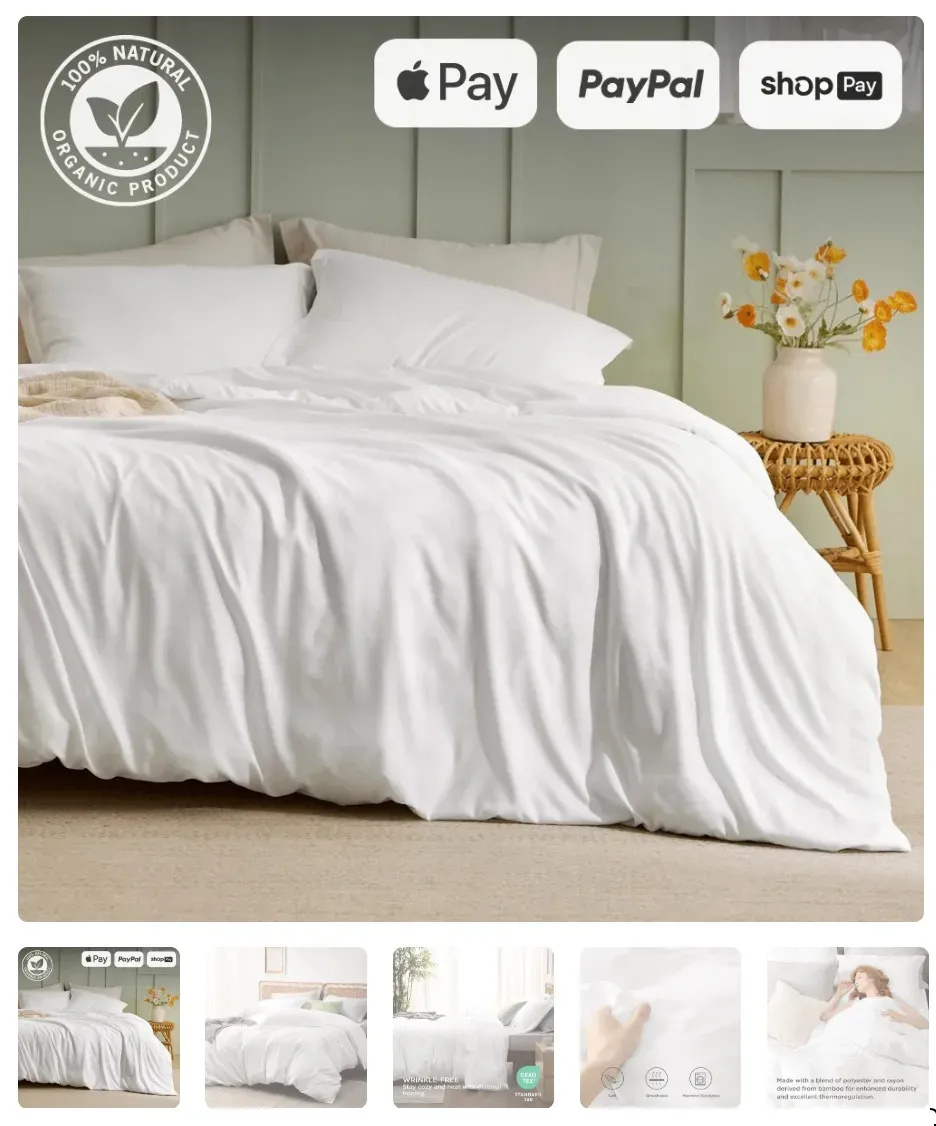
Comfort mainly depends on what you prefer and the material’s traits. Bamboo is great at regulating temperature and managing moisture, keeping you cooler during warm nights. Cotton offers a familiar, cosy feel, especially in brushed or flannel styles, and is a versatile favourite for many.
What Are the Sustainability Considerations for Bamboo and Cotton?
More people are thinking about sustainability when choosing bedding. Bamboo stands out for quick growth and low resource needs. Cotton’s environmental impact varies and is much better when it’s certified organic.
How Do Bamboo and Cotton Quilt Covers Influence Health and Allergy Considerations?
Both bamboo and cotton have benefits for health and allergies. Bamboo fibres naturally resist some bacteria and fungi, which may reduce allergen exposure. Cotton is breathable and gentle on sensitive skin, especially when made without harsh chemicals or dyes.
Frequently Asked Questions
1. How do I care for bamboo and cotton quilt covers?
Bamboo covers are generally easy to look after: they handle machine washing and tumble drying with little loss of softness or shape. Cotton usually requires gentler washing—cold water and low heat drying help prevent shrinkage and keep the fabric's quality. Always follow care label advice to keep covers looking and feeling great.
2. Are bamboo quilt covers good for sensitive skin?
Yes. Bamboo is naturally hypoallergenic and manages moisture well. Its ability to resist bacteria means it’s less likely to irritate sensitive or allergy-prone skin.
3. How can I be sure my cotton quilt cover is organic?
Look for recognised organic certifications such as GOTS or OEKO‑TEX. These certifications mean the cotton was made with limited synthetic pesticides and chemicals. Labels that clearly state "100% organic cotton" and transparent sourcing details also help confirm authenticity.
4. How do bamboo and cotton quilt covers compare in terms of value?
Bamboo covers tend to come at a bit of a premium due to how they’re made and their feel. Organic cotton can also be priced higher than conventional cotton. Consider durability and how long the cover will last when thinking about value for money.
5. Can I mix bamboo and cotton quilt covers in my bedding?
Absolutely. Mixing bamboo and cotton lets you enjoy the benefits of both temperature regulation and the traditional cotton feel. Just keep fabric weights and colours in harmony for a seamless look.
6. What washing temperature should I use for bamboo and cotton quilt covers?
Use cold cycles for bamboo covers to keep them soft and avoid shrinkage. Cotton can generally be washed in cold water, with warm water sometimes used for heavily soiled items. Always check the specific care label for the best results.
7. What certifications should I look for when choosing eco-friendly quilt covers?
Choose quilt covers with certifications like GOTS, OEKO‑TEX Standard 100, or USDA Organic. These labels mean the product meets strict environmental and social standards and limits harmful chemicals. Picking certified products helps support your health and the planet.
Both bamboo and cotton come with genuine benefits. Your best pick depends on what you value most. Bamboo is ideal if you prioritise sustainability and staying cool and dry. Cotton is a classic choice, loved for its traditional texture and adaptability. Think about how each material fits with your lifestyle and values, and look for certified sustainable options to make a mindful choice.