



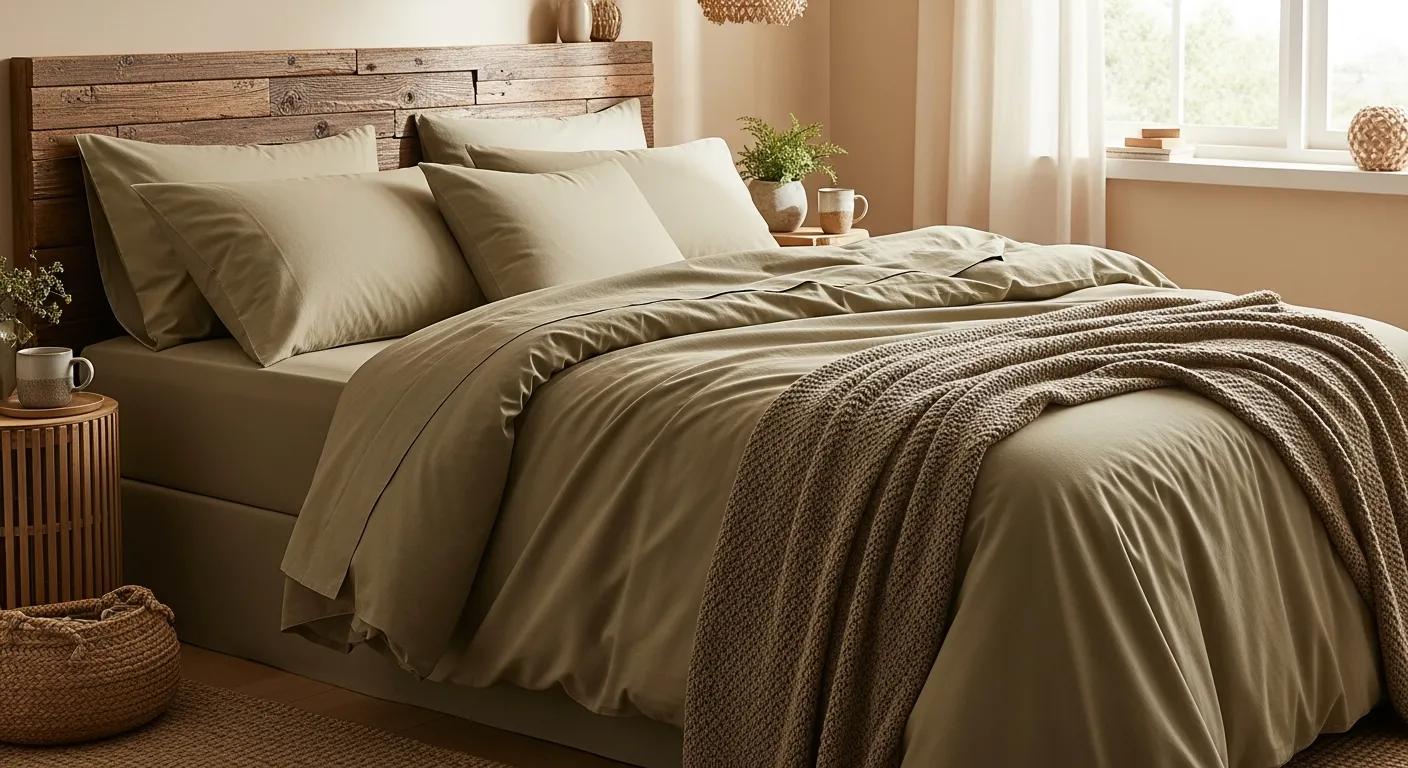
Organic bamboo sheets marry natural fibres with modern textile design to give you a silky feel, better temperature control, and a gentle sleep surface — but they thrive with a specific kind of care. This guide walks you through the practical steps that protect viscose-from-bamboo fibres and preserve the Coolweave™ structure that helps regulate temperature. Many common laundry habits — hot water, strong bleaches, and heavy fabric softeners — speed up shrinkage, pilling, and loss of breathability. Below you’ll find sustainable, easy-to-follow alternatives for washing, drying, storing, and spot-treating stains so your sheets stay soft, fresh, and long-lasting. We also include gentle tips for sensitive skin and make a few product-aligned notes about Adore Earth’s organic bamboo sets, where they help illustrate care choices.
What Are the Best Practices for Washing Organic Bamboo Sheets?
Washing bamboo sheets the right way protects the fibre structure, reduces shrinkage, and keeps the Coolweave™ weave soft and breathable. Use a gentle mechanical approach: choose the delicate or gentle cycle, avoid overloading the drum, and wash sheets separately from rough items like towels or denim to limit friction and pilling. Aim to wash weekly if you use your sheets nightly, or every two weeks for light use — frequent enough to remove oils and dust mites but not so often that it accelerates wear. Treat spots quickly with mild, eco-friendly solutions and skip aggressive scrubbing to keep fibres smooth.
- Choose a delicate machine cycle and a slow spin to lower mechanical stress on fibres.
- Wash full sheet sets together (top, fitted, pillowcases), but keep them separate from heavy laundry.
- Use cold or lukewarm water and a measured amount of plant-based detergent.
These steps prioritise gentle fabric care and naturally lead into the next decisions: water temperature and detergent choice for sustainable bedding laundry.
Which Water Temperature Preserves Bamboo Sheet Freshness?

Cold or lukewarm water is best for bamboo viscose: lower temperatures protect fibres from heat-related stress and cut the risk of shrinkage. Keep washes at or below 40°C to avoid changing the weave tension in Coolweave™ fabrics and to reduce pilling or stiffness. For lightly soiled loads, cold water will clean effectively while keeping colour and hand intact; reserve warmer water only for heavily soiled items and keep the cycle short. Use your machine’s eco or low-temp setting — or a simple thermometer — to stay in the recommended range and protect your sheets over time.
This temperature advice ties directly to detergent choice, since the right cleaner works well at lower temperatures without harsh additives that can harm organic fibres.
How to Choose Eco-Friendly Detergents for Organic Bedding?
Pick plant-based, biodegradable detergents that avoid bleach, optical brighteners, and strong enzymes when laundering bamboo sheets. These formulas clean effectively at low temperatures while keeping the fabric soft and gentle on sensitive skin.
Look for short ingredient lists, mild surfactants, and fragrance-free or naturally scented options to reduce irritation and preserve bamboo’s natural antibacterial qualities.
Use measured doses — especially concentrated liquids — and make sure powders dissolve fully to prevent residue that can stiffen fabric or attract allergens.
At Adore Earth, we recommend plant-based, biodegradable detergents because they match our sustainability values and protect delicate Coolweave™ constructions.
Here’s a quick comparison to help you balance cleaning power with fibre safety and biodegradability.
Different detergent types compared for bamboo sheet care.
| Detergent Type | Suitable for Bamboo | Notes |
|---|---|---|
| Plant-based liquid | Yes | Biodegradable; effective in cold water — use the correct dose |
| Enzyme-heavy powder | No | Can weaken viscose fibres over time; avoid regular use |
| Oxygen bleach (non-chlorine) | Use sparingly | Safer than chlorine for tough stains, but only at low temps |
This comparison shows why plant-based liquids are usually the safest, most sustainable choice for bamboo bedding.
How Should You Dry Organic Bamboo Sheets to Maintain Softness and Longevity?
How you dry sheets affects their feel and lifespan. Gentle airflow and minimal heat protect the Coolweave™ structure, reduce fibre stress, and preserve breathability.
After washing, give sheets a light shake to realign the weave, then smooth them flat or hang them to dry in a well-ventilated spot out of harsh direct sun to avoid fading. If you use a dryer, select a low-heat, short cycle and remove sheets while slightly damp to finish drying flat — that prevents over-drying, brittleness, and shrinkage. Wool dryer balls (or a tennis-ball alternative) speed drying and cut static without leaving residue, helping maintain softness.
- Air drying uses less energy and causes less mechanical wear than tumble drying.
- Low-heat tumble drying is acceptable for occasional quick-dry needs but should be brief.
- Always reshape fitted sheets and smooth the elastic after drying to keep the fit and finish.
These drying best practices lead to a closer look at the benefits of air drying and when controlled tumble drying makes sense for your home and climate.
| Drying Method | Energy Use | Effect on Softness / Shrinkage Risk |
|---|---|---|
| Air dry (line/rack) | Low | Preserves softness; minimal shrinkage |
| Low-heat tumble | Medium | Okay if short; small shrinkage risk |
| High-heat tumble | High | Damaging — increased shrinkage and fibre weakening |
This table highlights why air drying is preferred for long-term fabric health and when a controlled tumble cycle can be a practical fallback.
What Are the Benefits of Air Drying Organic Sheets?

Air drying is the gentlest option: it removes the thermal and mechanical stresses that can break down viscose fibres and the Coolweave™ structure, helping sheets keep their softness and shape. Line drying in partial shade reduces colour fade and offers mild natural sanitising from indirect sunlight without overexposure. Air drying is energy-efficient and leaves a fresh scent without chemicals. Hang sheets taut, avoid clipping directly on finished surfaces, and rotate which side faces out to ensure even drying and softer edges.
These benefits make air drying the default recommendation and naturally raise the question of safe tumble use when weather or time are limiting factors.
Can You Use Tumble Drying for Bamboo Sheets?
You can tumble dry bamboo sheets, but only with caution: use a low or delicate setting, keep the cycle short, and remove sheets while still slightly damp so you can finish drying flat. Add wool dryer balls to reduce friction and speed drying. Watch for signs of over-drying — a stiff texture or noticeable shrinkage — and stop the cycle immediately, then reshape and air dry. Occasional low-heat tumble drying is compatible with longevity when used sparingly and timed carefully rather than as a routine.
Once your sheets are dry, proper storage keeps them fresh and prevents mildew or insect problems — covered next.
What Are Effective Storage Methods to Keep Organic Sheets Fresh?
Good storage keeps bamboo sheets dry, ventilated, and protected from dust, while preserving natural scent and preventing mildew. Proper prep and breathable containers are essential.
Always store sheets completely dry and folded loosely to avoid crushing the Coolweave™ structure; add a small cloth sachet of dried lavender or cedar for a gentle scent and insect deterrent if you like. Avoid sealed plastic bins, which can trap moisture and invite mildew. Instead, choose breathable cotton storage bags or natural baskets that allow air exchange while keeping dust out. Periodically, air stored sets and rotate linens so fibres aren’t compressed for long stretches.
Storage checklist before putting sheets away:
- Ensure sheets are fully dry and clean.
- Fold loosely and use breathable containers.
- Store in a cool, dry, dark, and ventilated spot.
These essentials point to practical choices for storage locations and safe materials to preserve freshness long-term.
| Storage Option | Breathability | Mould Risk / Notes |
|---|---|---|
| Cotton storage bag | Recommended | Breathable and low mould risk; sustainable choice |
| Plastic bin (sealed) | Not recommended | Can trap moisture; higher mildew risk |
| Cedar chest | Conditional | Natural insect deterrent; monitor scent strength |
This comparison reinforces breathable, natural materials as the best long-term option and shows when cedar can be useful if used thoughtfully.
How to Create Ideal Storage Conditions for Bamboo Bedding?
Store sheets in cool, dry, dark, and ventilated conditions: heat and humidity accelerate mildew and fibre damage. Pick a linen closet away from bathrooms and basements, or use a high shelf in a bedroom wardrobe where temperatures stay steady. If humidity is an issue, place silica packets or moisture absorbers nearby (not touching the fabric). Label sets and air them quarterly so they don’t stay compressed, and always check for any musty smell before use.
These location tips lead into the best materials and containers for preserving freshness, covered next.
Which Storage Materials Prevent Mould and Preserve Freshness?
Choose breathable, natural materials — cotton bags, linen wraps, or untreated wooden chests — because they let moisture equalise instead of trapping it, which lowers mildew risk and preserves fabric hand. Avoid long-term use of sealed plastic containers; if you must use plastic temporarily, ensure sheets are completely dry and open the box periodically to ventilate. Cedar and lavender sachets deter insects and add a pleasant scent, but use them sparingly and refresh them often to avoid overwhelming delicate linens. Selecting sustainable storage materials supports both the health of your sheets and eco-friendly care.
With storage figured out, the next step is gentle, effective stain removal — explained below.
How Can You Remove Stains from Organic Bamboo Sheets Naturally?
Natural stain removal for bamboo sheets relies on quick, mild treatments that lift stains without harming viscose fibres. Act fast: blot liquids with a clean white cloth to soak up excess, then use a targeted gentle treatment — baking soda paste for oil, diluted white vinegar for odours or light pigment, or a mild enzyme cleaner for protein stains like sweat or blood (confirm enzyme safety for viscose first). Always test treatments on a hidden seam, follow contact-time directions, rinse with cold water, and launder on a gentle cycle. Low-impact ingredients and careful testing protect both appearance and fibre integrity.
Try these step-by-step recipes for common stains, and you’ll see why timing and gentle agents are key to keeping stains from embedding in the weave.
- Baking soda paste for oil/grease: mix baking soda with a few drops of water, apply for 15–30 minutes, brush off, then launder.
- Diluted vinegar rinse for odour/light stains: mix one part white vinegar to four parts water, blot, rinse, and wash.
- Enzyme spot treatment for protein stains: apply a small amount following product instructions and test on a seam first.
When used as directed, these remedies are safe and effective, and they naturally lead to advice on when to call a professional for difficult or delicate cases.
| Treatment | Purpose | Notes |
|---|---|---|
| Baking soda paste | Absorbs oil/grease | Gentle and nonabrasive — launder after treatment |
| Diluted white vinegar | Removes odours / light staining | Rinse thoroughly; avoid harsh bleach |
| Enzyme cleaner (gentle) | Protein stains (blood/sweat) | Check the label for viscose compatibility |
This quick reference helps you pick a low-impact option without risking fibre damage.
What Gentle Stain Removal Techniques Work Best?
The best gentle approach pairs immediate action with mild ingredients: blot excess, treat with an absorbent or enzyme product suited to the stain chemistry, then finish with a gentle machine wash.
For oily marks, a dry absorbent like baking soda lifts grease before laundering. For protein stains, a brief enzyme treatment breaks down proteins without harsh solvents.
For coloured food or drink stains, try a diluted vinegar soak or a cautious oxygen-bleach treatment (test first) to lift pigments without chlorine’s harsh effects.
Always test on a hidden area and air-dry to confirm stain removal before returning sheets to regular use.
If home methods don’t work, the next section explains when professional cleaning is the best option.
When Should You Seek Professional Help for Stubborn Stains?
Contact a professional when stains are large, deeply set, involve delicate trims or embroidery, or when further home attempts could damage the fabric. A knowledgeable cleaner can identify fibre composition and choose low-impact solvents or wet-cleaning methods that household approaches can’t safely replicate. Tell them the fabric is viscose from bamboo and ask for eco-friendly cleaning options when possible. Look for cleaners experienced with natural-fibre bedding and avoid aggressive dry-cleaning chemicals when gentler methods are available. Professional care is a last-resort way to remove tough stains while protecting sheet integrity.
Knowing when to call an expert completes the stain-care lifecycle and leads into daily habits that keep sheets fresh longer — covered next.
What Tips Help Prolong the Freshness and Durability of Organic Sheets?
Simple, consistent habits — gentle handling, prompt spot treatment, and smart rotation — lengthen the life and fresh feel of bamboo sheets by spreading wear and preventing common damage.
Avoid habits that cause avoidable wear: don’t overload machines, skip bleach and fabric softeners, avoid high-heat drying, and never store sheets damp or sealed in plastic. Instead, measure detergent carefully, use cooler water, and minimise mechanical stress during washes.
Preserve fitted-sheet elasticity by smoothing and reshaping after each wash and replacing worn elastic before it pulls on seams. Regularly inspect sheets for small stains or loose threads so you can address issues early and keep your bedding looking and performing its best.
These longevity strategies lead into practical rotation schedules and a simple list of behaviours to avoid so you can form a reliable routine.
- Keep two to three sheet sets and rotate weekly to distribute wear evenly.
- Treat small stains right away instead of letting them set.
- Use low-heat drying only when necessary and avoid harsh chemical treatments.
These practical tips prepare you for specifics on rotation and the habits to avoid, detailed below.
Why Is Rotating Sheet Sets Important for Longevity?
Rotating sheet sets spreads mechanical and thermal wear across multiple linens, so no single set gets all the stress. That slows thinning, preserves elastic life, and helps the Coolweave™ hand stay soft. With two to three sets rotated weekly, you reduce wash frequency per set and give fibres time to recover. Rotation also prevents one favourite set from showing wear faster than the rest — a simple, low-effort habit that extends freshness and reduces textile waste.
Next is a quick checklist of habits to avoid that commonly cause premature fabric damage.
Which Habits Should Be Avoided to Prevent Fabric Damage?
Avoid bleach, strong spot solvents, overloading the washer, excessive dryer heat, and storing bedding in plastic or damp places — these practices break down viscose fibres and harm the Coolweave™ finish. Don’t scrub aggressively; rubbing abrades surfaces and encourages pilling. Skip fabric softeners that leave coatings on the weave — they reduce breathability and undermine bamboo’s hypoallergenic benefits.
With those do’s and don’ts in mind, we close by tying these care practices back to product choices and responsible purchasing.
Adore Earth’s organic bamboo sheet sets are built around the performance details we've covered — Coolweave™ for temperature regulation, naturally hypoallergenic and antibacterial properties, and a tight weave that resists pet hair. Following the gentle washing, drying, and storage steps above — and choosing plant-based detergents and breathable storage — will keep your sheets soft, colourful, and durable while staying aligned with sustainable, biodegradable care values. These practices help your bedding last longer and support the larger goal of thoughtful, eco-friendly linen care.
Frequently Asked Questions
What are the environmental benefits of using organic bamboo sheets?
Organic bamboo sheets come from a fast-growing, renewable crop that typically needs less water and fewer pesticides than many conventional fibres. Because bamboo regenerates quickly and can be harvested without killing the plant, it’s a more sustainable raw material. Manufacturing methods for organic bamboo bedding often use fewer harsh chemicals than conventional processing, which reduces pollution. Choosing organic bamboo supports farming and production practices that can lower your carbon footprint and protect biodiversity.
How often should I wash my organic bamboo sheets?
Wash bamboo sheets every one to two weeks, depending on use. If you sleep on them nightly, a weekly wash helps remove body oils, sweat, and allergens to keep sheets feeling fresh. For occasional or guest use, every two weeks is usually fine. Regular washing helps prevent dust mite buildup and keeps your sleep environment healthier.
Can I use fabric softeners on organic bamboo sheets?
We recommend avoiding fabric softeners. They can leave a coating that reduces breathability and dulls softness over time. Instead, use wool dryer balls to soften naturally and speed drying. If you want a light scent, add a few drops of essential oil to the dryer balls or use a natural linen spray after washing.
What should I do if my organic bamboo sheets start to pill?
Pilling is usually the result of friction and wear. First, confirm you’re washing on a gentle cycle and not overloading the machine. If pills appear, remove them carefully with a fabric shaver or lint roller. Regular rotation of sheet sets and gentle washing and drying will help minimise pilling and keep the surface smooth.
Are organic bamboo sheets hypoallergenic?
Yes — bamboo-derived viscose is naturally resistant to dust mites and can be gentler on sensitive skin, making bamboo sheets a good option for allergy sufferers. Bamboo also has inherent antibacterial qualities that help reduce unwanted microbes. While no fibre is 100% allergen-proof, many people find bamboo bedding more comfortable if they have sensitivities.
How can I ensure my organic bamboo sheets last longer?
To extend their life: wash on a gentle cycle with cold or lukewarm water, avoid harsh detergents and fabric softeners, and air dry when possible. Treat stains promptly, rotate sets frequently, and store sheets in a cool, dry place in breathable containers. These small habits preserve softness, colour, and the overall performance of your sheets for years.


